Enhancing Central Nervous System Recovery Through Mindfulness Meditation Practices
You can enhance central nervous system recovery by practicing mindfulness meditation daily. It boosts neuroplasticity, helping your brain rewire after injury, while reducing inflammation and cortisol levels that slow nerve repair. Techniques like breath awareness and guided imagery improve autonomic balance and support neural regeneration. Using tools like meditation cushions or audio tracks increases effectiveness. Consistency matters more than duration, and small, regular sessions yield measurable gains in resilience and recovery-there’s more to discover about optimizing your routine.
Notable Insights
- Mindfulness meditation enhances neuroplasticity, supporting neural reorganization for improved stress regulation and motor control.
- Regular practice increases gray matter density in brain regions involved in learning, memory, and sensorimotor processing.
- Mindfulness reduces cortisol levels and inflammation, creating optimal biological conditions for central nervous system repair.
- Breath awareness and guided imagery strengthen autonomic balance and functional neural connectivity over time.
- Consistent daily practice, even in short sessions, builds sustainable CNS recovery through habit-driven neural reinforcement.
Why Mindfulness Speeds CNS Recovery

While your central nervous system (CNS) works silently behind the scenes managing everything from muscle contractions to stress responses, it’s also highly sensitive to overtraining and prolonged psychological strain-both of which can impair recovery and performance. Mindfulness meditation counters this by promoting neuroplasticity enhancement, allowing your brain to reorganize neural pathways for better regulation of stress and motor control. It also supports inflammation reduction, minimizing the biochemical stressors that slow CNS recovery. You’re not just calming your mind-you’re creating physiological conditions conducive to repair. Unlike passive rest, mindfulness actively improves autonomic balance, reducing cortisol spikes that hinder recovery. These changes are measurable: studies show improved heart rate variability and faster reaction times in athletes who meditate. While fitness gear tracks output, mindfulness optimizes the internal system driving it. It’s not a luxury-it’s a recovery essential, as vital as sleep or nutrition, fine-tuning the CNS for resilience and peak performance.
Try These Meditations for Neural Repair
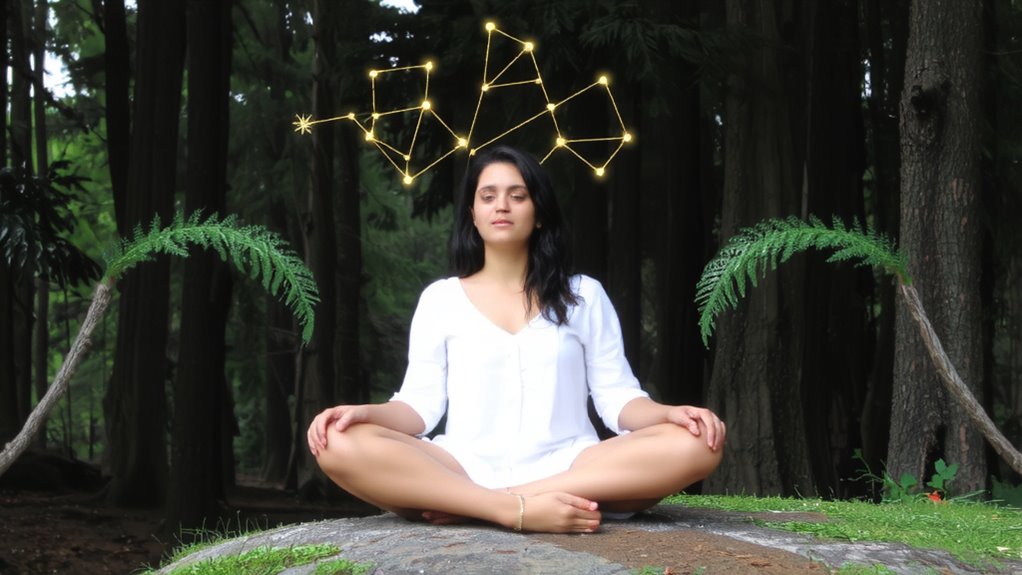
You’ve seen how mindfulness creates the conditions for CNS recovery by enhancing neuroplasticity and reducing inflammation-now it’s time to apply those benefits with specific practices designed for neural repair. Try starting with breath awareness for 10 minutes daily; focusing on slow, deep inhalations activates the parasympathetic system, supporting nerve healing. Studies show consistent practice improves vagal tone, which is vital for CNS regulation. Then, shift to guided imagery, where you visualize neural pathways repairing and firing efficiently-this isn’t just calming, it strengthens functional connectivity. MRI scans reveal increased gray matter density in areas linked to sensorimotor control after six weeks of such training. Use high-fidelity audio tracks to enhance the realism of guided imagery sessions. Pair these with a supportive meditation cushion to maintain posture without strain. They aren’t replacements for medical treatment, but as adjunct tools, they’re proven and practical. Stick with them daily for measurable recovery gains.
Lower Stress to Heal Your Nerves Faster

Why do some nerve injuries heal faster than others, even under similar medical care? The answer often lies in stress levels. Chronic stress impedes nerve regeneration by elevating cortisol, which disrupts cellular repair mechanisms. When you practice mindfulness meditation, you activate the parasympathetic nervous system, reducing inflammation and supporting neural recovery. Lower stress doesn’t just calm your mind-it creates biological conditions favorable for nerve regeneration. You gain mental clarity, helping you stay consistent with recovery routines and better interpret your body’s signals. This awareness improves adherence to therapy and optimizes outcomes. Unlike fitness gear that only supports physical performance, mindfulness directly influences neurophysiological healing. It’s not a supplement to recovery-it’s a core component. By managing stress, you’re not just resting; you’re actively fueling your nervous system’s repair process with precision and purpose.
Boost Brain Flexibility After Injury
When your nervous system sustains an injury, the brain’s ability to reorganize and form new neural connections-known as neuroplasticity-becomes critical for recovery. You can actively support this process through mindfulness meditation, which promotes neuroplasticity enhancement by encouraging focused attention and mental flexibility. Studies show regular practice increases gray matter density in regions tied to learning and memory, effectively rewiring your brain post-injury. This isn’t just about calming your mind-it’s about building cognitive resilience, the mental stamina needed to adapt despite challenges. Unlike passive rest, mindfulness engages your brain in intentional regulation of thought and emotion. It’s a form of mental fitness, much like physical therapy strengthens movement. With consistent use, it improves information processing speed and executive function. You’re not just healing-you’re training your brain to respond with greater agility, laying sustainable groundwork for long-term recovery.
Mindfulness After Stroke or Spinal Cord Damage
How does the mind rebuild itself after a stroke or spinal cord injury, when both body and cognition feel disrupted? Mindfulness meditation offers a structured way to foster neural reorganization, supporting recovery by enhancing emotional resilience and cognitive clarity. You’re not just calming your mind-you’re training it to respond, not react, to ongoing physical and mental challenges. Studies show consistent practice helps regulate attention and reduce rumination, key for those managing post-injury anxiety or depression. By focusing on breath or bodily sensations, even when movement is limited, you strengthen neural pathways tied to awareness and self-regulation. This isn’t passive relaxation; it’s active mental rehabilitation. Over time, you may notice improved focus, better mood stability, and greater adaptability in daily function. Mindfulness becomes a tool-not a cure, but a support system grounded in measurable neurological and psychological benefits that complement clinical rehabilitation strategies.
Stay Consistent With Daily Practice
A few minutes each day can make a real difference in how your nervous system adapts and heals after a stroke or spinal cord injury. You don’t need long sessions-consistency matters more than duration. Habit formation kicks in when you practice mindfulness at the same time every day, whether after breakfast or before bed. This routine building strengthens neural pathways linked to focus and emotional regulation, supporting CNS recovery. Think of it like physical therapy for your brain: regular reps yield measurable improvements. Using simple tools like meditation apps or a dedicated quiet space helps maintain momentum. Over weeks, you’ll likely notice better stress resilience and mental clarity. Staying consistent isn’t about perfection-it’s about showing up, even when progress feels slow. With time, daily practice becomes second nature, embedding mindfulness into your recovery in a sustainable, effective way.
On a final note
You’re more likely to support central nervous system recovery when mindfulness becomes part of your routine. It reduces cortisol levels, slows neural degradation, and promotes neuroplasticity-key after injury. Unlike passive rest, meditation actively calms overstimulated nerve pathways. Combined with proper fitness recovery gear like compression supports and cooling mats, mindfulness enhances circulation and tissue repair. Consistency matters more than duration. Over weeks, this dual approach improves resilience, speeds healing, and stabilizes mood-making recovery both measurable and sustainable.