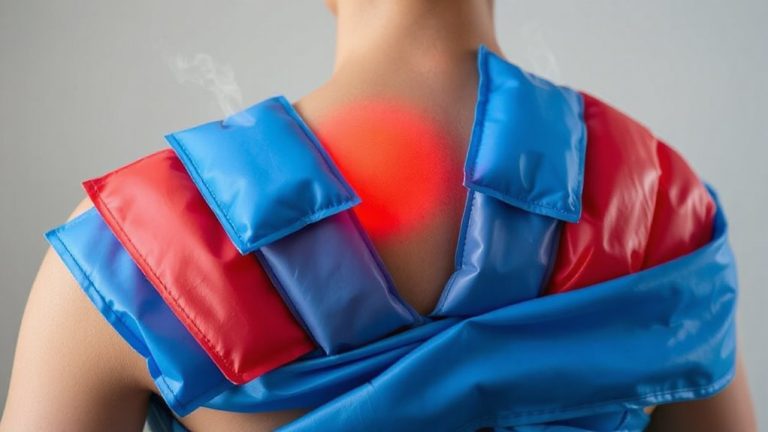
Massage Therapy Techniques for Athletes: A Comprehensive Guide To Maximizing Its Benefits in Muscle Pain Relief and Flexibility Improvement
You’re using massage therapy to tackle muscle pain and boost flexibility with proven techniques. Deep tissue work breaks up stubborn tension, while sports massage enhances circulation and joint mobility. Myofascial release and foam rolling improve tissue glide, and trigger point therapy targets painful knots with precision. When timed right-post-workout or off-peak-it speeds recovery and guards against injury. Combine these methods with consistent self-care, and you’ll discover even more ways to stay resilient and perform at your best.
Notable Insights
- Deep tissue massage targets chronic muscle tension by breaking down adhesions and improving mobility with sustained, firm pressure.
- Sports massage enhances performance and prevents injury through customized techniques that address high-strain areas and muscle imbalances.
- Myofascial release using foam rollers reduces stiffness by applying pressure to connective tissue, boosting flexibility and joint range.
- Trigger point therapy alleviates localized pain and referred discomfort by deactivating hyperirritable nodules in overused muscles.
- Post-workout massages within 30–90 minutes accelerate recovery by increasing circulation and clearing metabolic waste from fatigued tissues.
How Massage Therapy Solves Athlete Pain
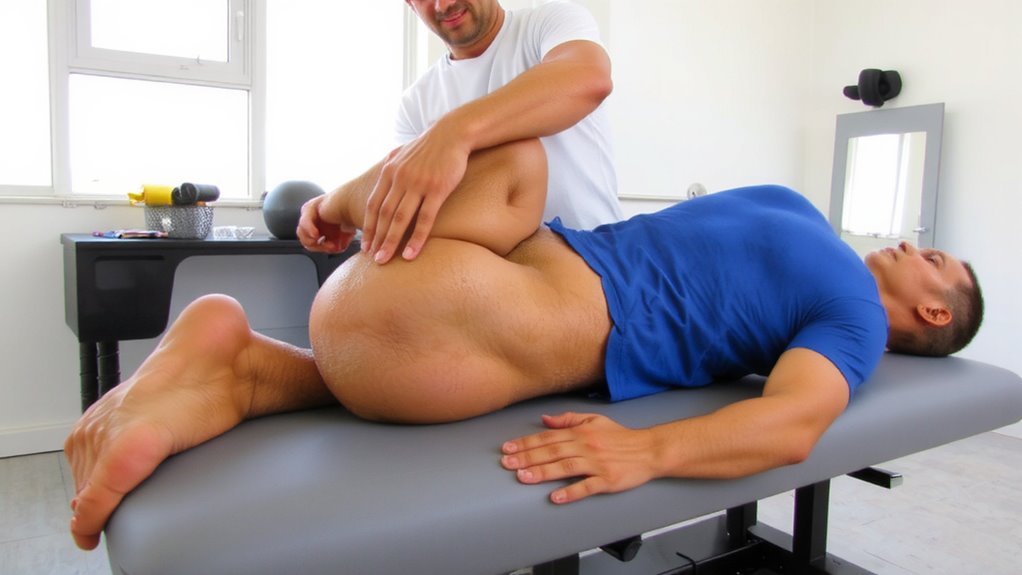
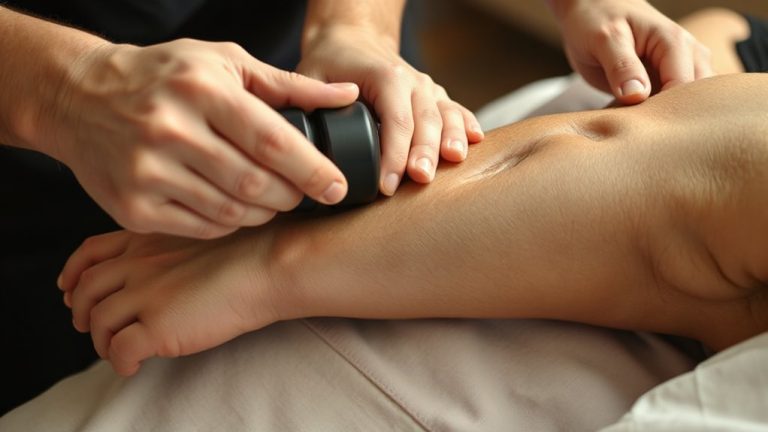
While you’re pushing your body to meet the demands of intense training, muscle soreness and joint discomfort often come with the territory-yet massage therapy offers a proven way to tackle these issues head-on. It works by increasing blood flow, reducing muscle tension, and breaking down adhesions that build up after strenuous workouts. When combined with consistent foam rolling and structured stretching routines, massage enhances soft tissue mobility more effectively than either method alone. Foam rolling preps muscles for deeper work, while massage targets deeper layers of fascia and knots that self-myofascial release can’t reach. Unlike fitness gear that promises quick fixes, massage provides measurable, cumulative benefits grounded in physiology. It’s not a luxury-it’s a recovery tool as essential as hydration or sleep. Used strategically, it supports sustained performance, reduces injury risk, and improves tissue resilience over time. A high-quality massage gun can significantly enhance recovery when used as part of a comprehensive therapy routine.
5 Science-Backed Benefits: Recovery, Flexibility & More
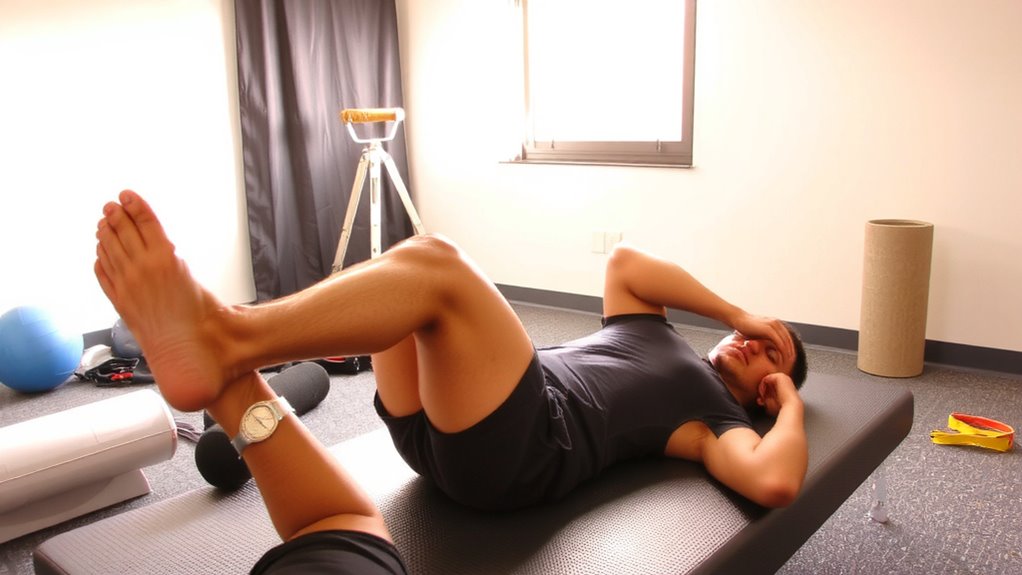
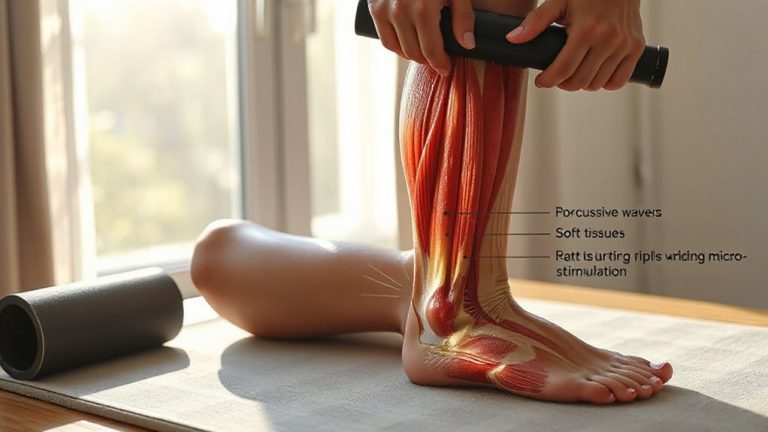
Because your body undergoes significant stress during training, recovery isn’t just about rest-it’s about optimizing physiological processes, and massage therapy plays a key role supported by research. Studies show it aids in inflammation reduction, helping your muscles heal faster after intense workouts. You also benefit from blood flow enhancement, which delivers more oxygen and nutrients to fatigued tissues. These changes aren’t just theoretical-athletes report reduced soreness and quicker return to peak performance. Regular sessions can improve tissue elasticity, contributing to long-term flexibility gains. Unlike passive recovery, massage actively supports cellular repair and circulation, making it a smart addition to any training regimen. While tools like foam rollers help, they can’t replicate the targeted physiological effects of skilled hands. When combined with proper hydration and sleep, massage becomes a scientifically sound strategy for maintaining performance and preventing overuse injuries. Top muscle recovery devices, including those with percussive therapy, can complement manual massage by enhancing muscle recovery speed between sessions.
Deep Tissue: Break Up Chronic Muscle Tension
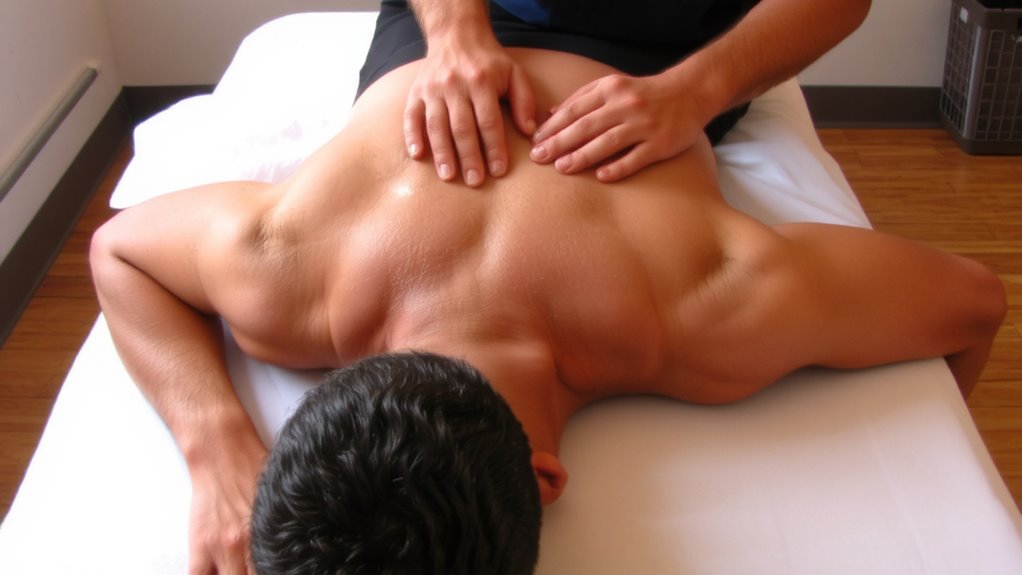
If you’re dealing with long-standing muscle tightness that won’t ease with standard recovery methods, deep tissue massage could be the targeted solution you need. This technique uses slow, firm pressure to reach deep layers of muscle and connective tissue, helping break up muscle adhesions that restrict movement and cause discomfort. Unlike lighter forms, it specifically addresses chronic tension, making it ideal for athletes with overused or injured muscles. You might feel some discomfort during the session, but the long-term relief in mobility and reduced soreness often outweighs the temporary intensity. Using a high-quality deep tissue massager can enhance the effectiveness of this therapy at home.
Sports Massage: Train Harder and Avoid Injury
Sports massage stands apart as a purpose-built recovery tool designed specifically for active bodies pushing their limits. You’ll find it tailored to your training intensity, focusing on areas under the most strain. Unlike general relaxation massages, it blends deep pressure, stretching, and rhythmic movements to boost circulation and speed up muscle recovery. Regular sessions support injury prevention by identifying tight spots and imbalances before they turn into serious problems. It’s not just about recovery-sports massage also contributes to performance enhancement by improving joint range and muscle efficiency. You’ll move faster, train harder, and maintain consistency over time. Think of it as maintenance for your body’s engine. Coaches and physios often recommend it during both off-season and competitive periods. When combined with proper hydration and smart training, it becomes a proven part of any elite athlete’s routine.
Myofascial Release for Stiff Muscles and Mobility
While your muscles may feel tight after intense training, the real culprit could lie deeper-not in the muscle tissue itself, but in the fascia, the connective web surrounding it. Myofascial release targets this tight connective layer, helping restore mobility and reduce stiffness. You’ll find foam rolling especially effective here-it’s accessible, portable, and lets you apply sustained pressure to tight zones like quads or lats. When you roll slowly, you encourage the fascia to loosen, improving tissue glide and joint range. Combine that with active stretching-muscle engagement during elongation-and you prime the body for better movement patterns. Unlike passive stretches, active stretching enhances neuromuscular control while boosting flexibility. Together, foam rolling and active stretching form a practical recovery duo, especially when used post-workout. High-density rollers perform best, maintaining shape under pressure, while durable ones last longer despite frequent use. This combo isn’t a cure-all, but it’s a proven, low-cost way to maintain mobility and support long-term performance.
Trigger Point Therapy: Eliminate Painful Knots
What if that nagging ache in your shoulder or hip isn’t a muscle strain but a hyperirritable spot known as a trigger point? These tight nodules form in muscle fibers, often due to overuse or poor recovery, and can cause localized tenderness and referred pain elsewhere. You’ve likely experienced pain referral when a knot in your glute sends discomfort down your leg. Trigger point therapy applies sustained pressure to deactivate these spots, breaking up muscle adhesions and restoring normal function. Unlike general massage, it targets specific areas with precision, making it highly effective for chronic tightness. You’ll notice improved flexibility and reduced discomfort after just a few sessions. While foam rollers help, focused manual pressure or specialized tools deliver better results. Incorporating this technique into recovery combats lingering soreness and enhances performance-especially when muscle adhesions limit motion or mimic injury symptoms.
When to Massage: Timing for Peak Performance
How often should you schedule a massage to stay at your best without risking overstimulation or impaired performance? For ideal recovery, target post workout windows-ideally within 30 to 90 minutes after training-when blood flow is high and muscles are most receptive to therapy. This timing helps clear metabolic waste and reduces soreness. For event preparation, pre race timing matters: avoid deep tissue work 48–72 hours before competition to prevent fatigue; lighter sessions like effleurage or dynamic stretching routines are safer. Regular maintenance massages every 1–2 weeks enhance flexibility and prevent injury, but overdoing it can dull neuromuscular readiness. You’ll need to balance frequency with training intensity. Strategic use of massage-aligned with recovery cycles and competition schedules-maximizes benefits. When timed well, massage becomes a tactical tool, not just a luxury.
On a final note
You’re not just relaxing with massage therapy-you’re enhancing recovery, boosting flexibility, and preventing injury. Science backs its role in reducing muscle soreness and improving circulation. Techniques like deep tissue and myofascial release target specific issues athletes face. When timed right, massage complements training, not replaces it. Paired with quality recovery gear, it’s a proven, practical part of peak performance and long-term muscle health.