Acupressure Techniques to Accelerate Healing From Herniated Discs: Comprehensive Guide to Alleviating Symptoms
You can ease herniated disc pain by targeting key acupressure points like Bladder 23, Governing Vessel 4, and Gallbladder 30 with steady, gentle pressure. Daily 5–10 minute sessions reduce inflammation and support nerve relief, especially when paired with proper posture and an anti-inflammatory diet. When combined carefully with physical therapy, these techniques enhance mobility without overloading tissues. Using supportive gear like acupressure mats improves consistency and effectiveness-there’s more to discover about building a routine that works long-term.
Notable Insights
- Apply gentle pressure to Bladder 23 and Governing Vessel 4 to target lower back pain and restore spinal meridian balance.
- Use fingertips or a soft ball to stimulate Gallbladder 30 and Bladder 40, reducing muscle tension and improving energy flow.
- Practice daily acupressure sessions for 5–10 minutes twice a day to decrease inflammation and alleviate nerve irritation.
- Combine acupressure with physical therapy, ensuring coordination to avoid overloading tissues during rehabilitation.
- Support healing with mindfulness, proper posture, and an anti-inflammatory diet rich in omega-3 fatty acids.
Locate the 5 Best Pressure Points for Herniated Disc Pain
Five key pressure points stand out when targeting pain from a herniated disc, and knowing where-and how-to apply pressure can make a meaningful difference in your recovery routine. You’ll want to focus on Bladder 23 (near the lower back), Governing Vessel 4 (at the base of the spine), Gallbladder 30 (in the buttock), Bladder 40 (behind the knee), and Kidney 3 (on the inner ankle). Applying firm, circular pressure to these spots helps restore meridian balance and supports natural energy flow, which traditional practices link to reduced inflammation and muscle tension. While fitness recovery tools like foam rollers or massage balls complement these techniques, precise acupressure offers targeted relief. You don’t need specialized gear-just consistent technique. Over time, stimulating these points may improve mobility and comfort, though results vary. Integrating this approach with physical therapy strengthens outcomes, making it a practical, low-risk addition to your healing protocol.
Press These Points Safely at Home
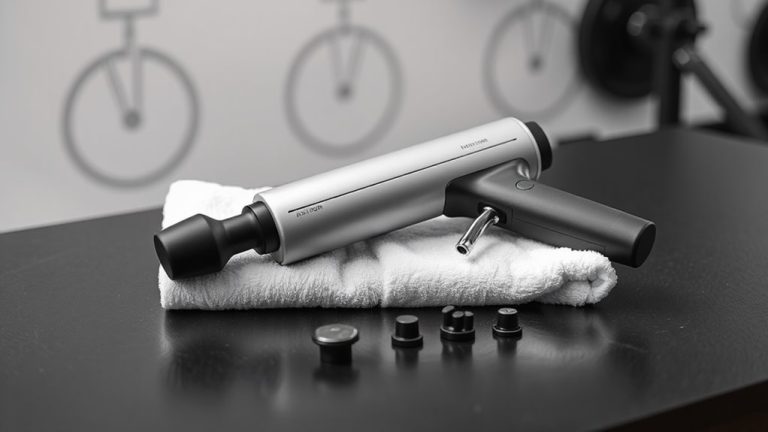
You’ve already identified the key pressure points that can help ease discomfort from a herniated disc, and now it’s time to put that knowledge into practice at home. Apply gentle, steady pressure using your fingers or a soft ball, focusing on correct location to avoid improper technique, which could worsen symptoms. Maintain each press for about 30 seconds to two minutes-this pressure duration allows muscles to relax without strain. Don’t push through sharp pain; acupressure should feel like beneficial discomfort, not injury. Use a mat for spinal alignment and wear supportive clothing to improve access and posture. Consistency matters more than intensity, so stick to daily, mindful sessions. While home tools like foam rollers complement recovery, they can’t replace precision work-avoid aggressive gadgets that compromise control. A high-quality massage gun can offer targeted relief when used cautiously and with proper technique. You’re aiming for sustainable relief, not quick fixes. Proper form guarantees long-term results without setbacks.
Reduce Inflammation and Nerve Pain With Daily Sessions
A consistent routine of daily acupressure sessions can considerably lower inflammation and soothe irritated nerves linked to herniated discs, especially when applied with proper technique and timing. You’ll likely notice reduced swelling and calmer nerve signaling within a few days, provided you target key points like BL23 and GB30 accurately. These results aren’t just due to pressure alone-your overall fitness recovery improves when you pair sessions with anti-inflammatory diet benefits, such as eating more omega-3s and antioxidants. Plus, better sleep quality helps your body repair naturally, enhancing acupressure’s effects. Consistency matters: aim for 5–10 minutes twice daily. While recovery tools like massage balls or firm acupressure mats support therapy, they must complement careful use-not replace mindful technique. Over time, you’ll observe lasting relief, but success hinges on combining disciplined practice with lifestyle factors. This integrated approach maximizes healing potential without overreliance on gear. Incorporating strength-building routines like best dumbbell bicep curl exercises can further support spinal health by improving overall muscle balance and posture.
Combine Acupressure With Physical Therapy Safely
While acupressure can enhance recovery, combining it with physical therapy demands coordination to avoid overloading injured tissues or disrupting structured rehabilitation protocols. You should never assume these modalities automatically complement each other-timing and pressure matter. Contraindications awareness is essential: certain disc conditions or acute inflammation phases may worsen with direct pressure or improper technique. Always seek professional consultation before blending acupressure into your physical therapy regimen. A licensed therapist can identify high-risk zones and tailor both treatments to your recovery stage. Used wisely, acupressure may reduce muscle guarding, potentially improving range of motion and enhancing the effects of prescribed exercises. However, without expert guidance, you risk delaying progress or causing unintended strain. Consistency matters, but so does precision-each session should align with therapeutic goals. Safety and informed decisions guarantee both modalities support-not hinder-healing.
Build a Healing Routine for Long-Term Relief
Consistency in recovery doesn’t come from isolated treatments but from a structured, daily routine that supports spinal health over time. You’ll benefit most by integrating acupressure into a broader healing plan that includes gentle movement, proper posture, and targeted stretches. Pairing these physical efforts with a daily mindfulness practice enhances nerve regulation and reduces muscle tension. Stress management isn’t optional-it’s essential, since chronic stress amplifies pain and slows tissue repair. Dedicate 10–15 minutes each morning and evening to acupressure on key points like BL23 and GB30, followed by deep breathing or guided meditation. Use supportive fitness gear like a posture-correcting brace or ergonomic cushion to maintain spinal alignment throughout the day. Over time, this routine improves circulation, reduces disc pressure, and fosters resilience. Long-term relief hinges not on quick fixes, but on disciplined, holistic habits that address both body and mind. For enhanced spinal support during rest, consider using a pillow designed for optimal back support.
On a final note
You’ve likely found that acupressure, when paired with consistent physical therapy, supports recovery from herniated disc symptoms. Targeting points like Bladder 23 and Governing Vessel 4 can reduce nerve irritation and inflammation over time. Daily, mindful pressure application enhances circulation and muscle relaxation. While not a standalone cure, this integrative approach offers measurable symptom relief. Used correctly, acupressure complements fitness recovery strategies and may reduce reliance on passive treatments, promoting long-term spinal health with minimal equipment or risk.