Understanding RICE: The Essential First Step in Treating Soft Tissue Injuries
You should apply RICE right after a soft tissue injury because it’s proven to limit swelling and ease pain when used within the first 48 hours. Rest, Ice, Compression, and Elevation work together to control inflammation and support healing. Skip it, and recovery may take longer. Do it right-avoid over-icing, poor wraps, or ignoring your body’s signals. This method isn’t a cure-all, but it sets the stage for better recovery, especially when applied correctly from the start. There’s more to get right if you want the best results.
Notable Insights
- RICE-Rest, Ice, Compression, Elevation-is most effective when started within 24 to 48 hours of a soft tissue injury.
- Applying ice for 15–20 minutes every 1–2 hours reduces swelling and numbs pain without damaging skin.
- Compression with elastic bandages helps control swelling but must not restrict blood flow.
- Elevating the injured limb above heart level supports fluid drainage and minimizes inflammation.
- Persistent pain, swelling, or instability after RICE use warrants medical evaluation for underlying injuries.
When to Use the RICE Method
Why do some soft tissue injuries respond better to immediate care than others? It often comes down to injury timing. You’ll see the best results when applying RICE shortly after a sprain, strain, or bruise-ideally within the first 24 to 48 hours. That’s when acute care matters most. Immediate intervention helps limit swelling, reduces pain, and supports faster tissue repair. Delaying treatment? That can prolong recovery and increase the risk of complications. Acute care isn’t one-size-fits-all, but when injury timing aligns with prompt RICE application, functional gains are clear. Think of it as damage control: the quicker you act, the better the outcome. For fitness recovery, smart gear-like compression wraps or cold therapy packs-can enhance this response. These tools support proper technique, but only if used at the right time. Timing isn’t everything, but in acute care, it’s critical. Top-rated compression sleeves can further optimize swelling reduction during the critical recovery window.
What RICE Is and Why It Works
How does a simple four-letter acronym become a cornerstone of fitness recovery? Because RICE-Rest, Ice, Compression, Elevation-delivers targeted inflammation control and effective pain management right when you need it most. When soft tissue gets injured, your body’s immediate response is swelling and discomfort, but RICE interrupts that cycle early. It’s not flashy gear or expensive recovery tools-just smart, accessible physiology working in your favor.
| Without RICE | With RICE |
|---|---|
| Swelling builds quickly | Inflammation control slows damage |
| Pain intensifies | Pain management brings relief |
| Recovery drags on | Healing progresses faster |
| Frustration grows | Confidence returns |
RICE works because it’s grounded in biology, not hype. You’re not just treating symptoms-you’re creating the right internal environment for repair.
How to Apply RICE Step by Step
While swelling starts within minutes of a soft tissue injury, acting quickly with the RICE protocol can drastically alter recovery outcomes. First, rest the injured area immediately-you’ll prevent further damage and support natural healing. Next, apply ice using proper ice application: wrap an ice pack in a thin towel and use it for 15–20 minutes every 1–2 hours during the first 48 hours. This reduces inflammation and numbs pain. Then, use compression techniques-snug, elastic bandages help limit swelling and provide light support without restricting blood flow. Make sure the wrap isn’t too tight; check for numbness or discoloration. Finally, elevate the injured limb above heart level whenever possible to drain excess fluid. Combined, these steps synergize effectively. Though basic, RICE remains a cornerstone of fitness recovery, especially when paired with quality gear like supportive wraps and reusable cold packs designed for consistent performance.
Don’t Make These 5 RICE Mistakes
You’ve got the steps down-rest, ice, compression, elevation-and when applied promptly, RICE can substantially reduce downtime from a sprain or strain. But making common mistakes can weaken its effectiveness. Ignoring pain levels is a big one; pushing through discomfort delays healing and risks further damage. Pain is your body’s signal-listen to it. Skipping rest periods to stay active sabotages recovery, even if the injury feels minor. Recovery isn’t just physical-it’s strategic. Over-icing (more than 20 minutes at a time) can impair circulation, while poor compression technique may restrict blood flow unnecessarily. Using worn or improper fitness gear, like ill-fitting wraps, reduces support and control. Elevating intermittently isn’t enough-keep the injured area above heart level consistently. Applying RICE correctly means respecting each component, not rushing the process. Smart recovery combines proper technique with disciplined consistency.
When to See a Doctor After RICE
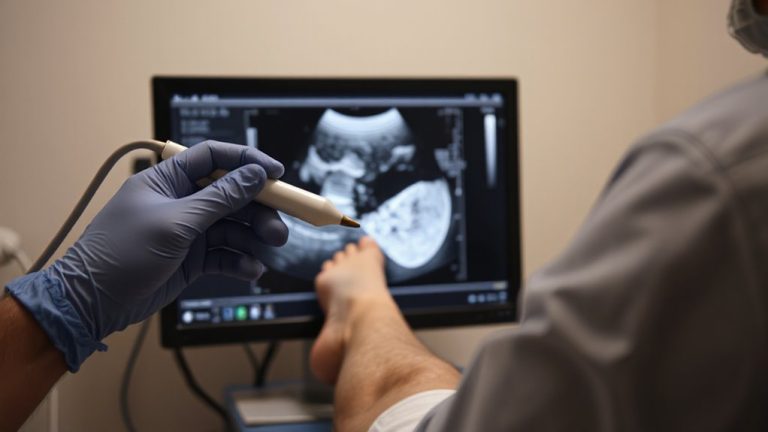
Could your ankle still ache after days of diligent RICE application? If so, it’s time to contemplate professional help. While RICE helps manage initial swelling and pain, it’s not a cure-all. Persistent discomfort, swelling, or instability signals the need for a medical consultation. Don’t assume time alone will fix the issue-some soft tissue injuries require targeted treatment. A thorough injury evaluation can reveal underlying problems like ligament damage or small fractures that don’t appear on basic assessments. Ignoring these signs might prolong recovery or worsen the condition. Trusting home care when you need expert input can undermine your long-term mobility. Seek a healthcare provider if symptoms don’t improve within a few days. Early diagnosis supports faster, safer healing-ensuring you return to activity without setbacks. RICE is a first step, not the final solution.
On a final note
You’ve applied RICE correctly-rest, ice, compression, elevation-and it’s likely eased your soft tissue injury. While effective for mild sprains or strains, RICE isn’t a cure-all. Over-relying on ice or complete rest may slow healing. Modern recovery often blends RICE with early mobility. Supportive fitness gear, like compression wraps, helps, but proper diagnosis matters. Use RICE as a smart first step, not a final solution.