Easing Joint Pain: A Guide to Understanding and Managing Arthritis in Sportsmen
You’re not just sore-you might be facing early joint stress, especially if stiffness or swelling lingers after practice. Athletes push joints beyond natural limits, accelerating wear, particularly in knees and hips. Combining cold therapy, hyaluronic acid, and physical therapy eases pain and supports function. Swap high-impact drills for swimming or resistance bands to reduce strain. Add omega-3s and turmeric to your diet-they fight inflammation at the cellular level. There’s a smarter way to train that protects your mobility long-term.
Notable Insights
- Early joint stiffness, swelling, or reduced mobility in athletes may signal arthritis and require prompt intervention.
- Repetitive high-impact stress accelerates cartilage wear, increasing arthritis risk in knees, hips, and ankles.
- Combining cold therapy, NSAIDs, and hyaluronic acid can reduce inflammation and improve joint function.
- Low-impact cardio and controlled resistance training protect joints while maintaining athletic performance.
- Anti-inflammatory nutrition with omega-3s, antioxidants, and turmeric supports long-term joint health in sportsmen.
Spot the Early Signs of Athlete Joint Pain
What if the difference between staying in the game or sitting on the bench comes down to catching a few subtle warning signs? You might dismiss stiffness after practice as normal soreness, but those silent symptoms could signal joint stress long before pain flares. Early detection matters-especially when you’re pushing your body daily. Small changes like reduced range of motion, slight swelling, or morning creakiness in the knees or shoulders often go unnoticed, yet they’re red flags. These aren’t just signs of hard training; they’re potential precursors to arthritis. Monitoring them helps you adjust training loads and integrate recovery tools-like compression gear or smart braces-before damage sets in. Fitness recovery isn’t passive; it’s strategic. The right gear supports joint alignment and tracks movement patterns, giving you data to act early. Don’t wait for pain. Spotting silent symptoms now keeps you playing longer. Consider incorporating arm compression sleeves for targeted support during recovery and training.
Why Joint Pain Hits Athletes Hard
Joint pain doesn’t just slow you down-it reshapes your performance, and for athletes, that impact hits harder than for most. You rely on precision, speed, and explosive movement, but biomechanical stress from intense training pushes joints beyond their natural tolerance. Over time, repetitive strain breaks down cartilage, especially in high-impact sports like basketball or distance running. Every jump, cut, or mile adds up, accelerating wear in knees, hips, and ankles. Unlike casual exercisers, you’re exposed to sustained loads that amplify degeneration risks, making joint pain more than an annoyance-it’s a direct threat to your career. These stressors aren’t just physical; they affect recovery windows, training consistency, and long-term mobility. While fitness recovery tools and supportive gear help manage symptoms, they can’t fully offset the damage done by years of overload. Ultimately, your body bears the cost of peak performance, and joints pay the price first.
Proven Treatments to Stay in the Game
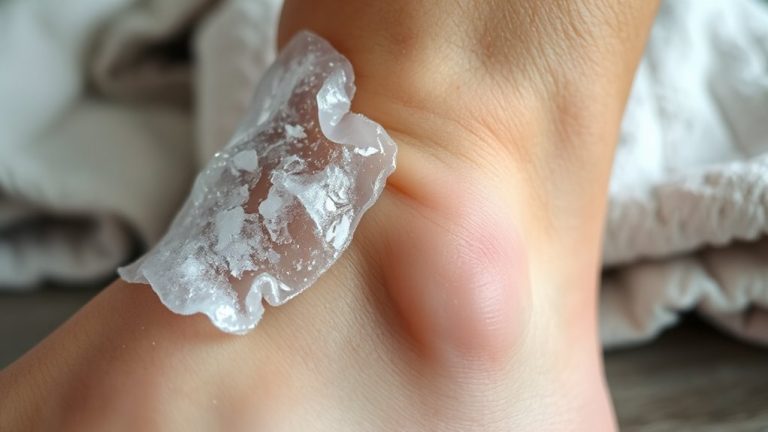
You’ve already felt how relentless training grinds down your joints, especially when each sprint or lift adds to the cumulative toll on your knees, shoulders, and hips. Effective pain management isn’t optional-it’s essential for staying competitive. Cold therapy delivers immediate relief by reducing inflammation and numbing sore areas. When paired with structured recovery protocols, it enhances long-term joint function. Below are proven treatments that balance science and practicality:
| Treatment | Benefit |
|---|---|
| Cold therapy | Reduces swelling, eases acute discomfort |
| NSAIDs | Manages pain and inflammation |
| Hyaluronic acid | Improves joint lubrication |
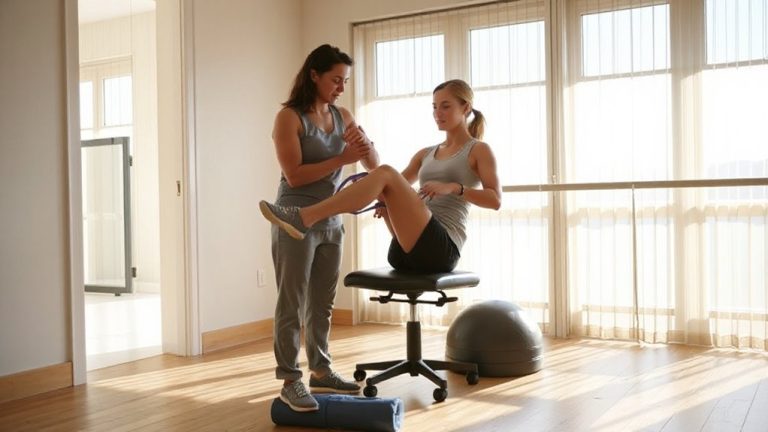
| Physical therapy | Strengthens support around compromised joints |
Cold therapy stands out for its accessibility and minimal side effects. Combined with a strategic pain management plan, these treatments let you maintain performance without sacrificing joint health. Consistency and early intervention make all the difference in preserving mobility and competitive edge. Incorporating supportive gear like knee supports can further stabilize joints during high-impact movements common in sports.
Joint-Safe Exercises That Keep You Strong
While high-impact training can aggravate arthritic joints, you don’t have to sacrifice strength or performance-targeted, low-impact exercises let you maintain muscle mass and joint stability without unnecessary strain. Low impact cardio like cycling, swimming, or using an elliptical boosts endurance while minimizing joint stress, making it ideal for consistent training. Resistance training, especially with bands, body weight, or controlled machine-based movements, builds supporting muscle around vulnerable joints, improving alignment and reducing wear. Unlike heavy free weights that increase joint load, these methods promote safe, gradual progression. Studies show consistent resistance training improves joint function by up to 40% over 12 weeks. Pairing both exercise types enhances recovery, maintains athletic output, and supports long-term joint integrity. You’ll stay strong without sacrificing joint health-key when every rep counts. Equipment like buoyant pool belts or ergonomic resistance bands offers measurable support, making workouts safer and more effective over time. For those seeking joint-friendly cardio options, the best exercise machines are designed to support comfortable, effective workouts with minimal knee strain.
Anti-Inflammatory Foods That Protect Athlete Joints
Strength training and low-impact cardio lay the foundation for joint resilience, but what you eat plays an equally active role in managing inflammation and supporting recovery. You benefit greatly from Omega 3 benefits found in fatty fish like salmon and flaxseeds-they reduce inflammatory markers and may lessen joint stiffness over time. Pairing these with antioxidant sources such as berries, spinach, and walnuts helps neutralize free radicals produced during intense workouts. Turmeric and extra virgin olive oil also offer proven anti-inflammatory effects, making them smart additions to your meals. Think of your diet as internal recovery gear: just as supportive footwear protects your stride, anti-inflammatory foods protect your joints from cellular wear. Consistency matters-you won’t see results overnight, but over weeks, you’ll likely notice improved mobility and reduced discomfort. Your plate isn’t just fuel-it’s a recovery tool.
When to See a Specialist: and What to Expect
How do you know when joint pain shifts from a manageable part of athletic life to a signal that you need expert care? Persistent swelling, morning stiffness lasting over 30 minutes, or decreased performance despite rest could mean it’s time for a specialist consultation. Don’t ignore worsening pain during or after activity-it may meet formal referral criteria for rheumatological evaluation.
| Symptom | Action |
|---|---|
| Pain lasting >6 weeks | Seek referral criteria review |
| Joint warmth or redness | Schedule specialist consultation |
| Reduced range of motion | Begin diagnostic screening |
When you see a specialist, expect a detailed history, physical assessment, and possibly imaging or blood work. Early intervention improves outcomes, especially in active individuals. Trust your training-but know when to call in expert support to keep moving strong.
On a final note
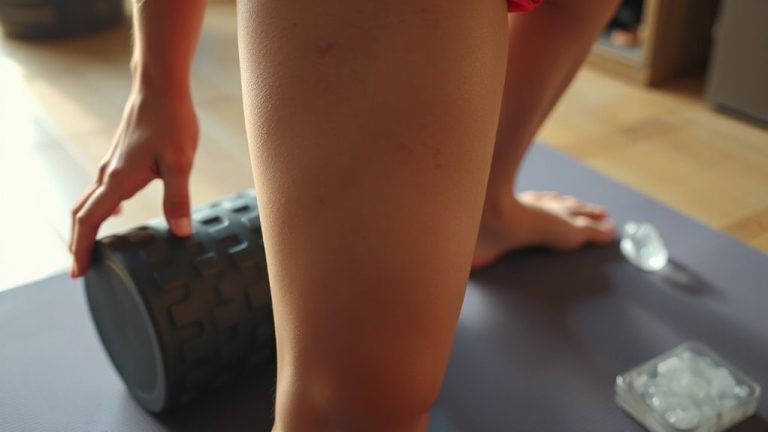
You now know how to spot early joint pain, why athletes are vulnerable, and which treatments truly work. Joint-safe exercises and anti-inflammatory foods support long-term mobility. When symptoms persist, seeing a specialist makes sense-early intervention improves outcomes. Fitness recovery isn’t optional; it’s strategic. Recovery gear like compression units and foam rollers, when used consistently, enhances circulation and reduces stiffness, proving essential in any athlete’s routine.