Addressing the Underlying Causes of Overuse Injuries: A Guide for Coaches
You’re responsible for spotting overuse injury risks before they become serious. Watch for persistent aches, uneven movement, or performance drops-these signal imbalanced loads and poor recovery. Match training volume with active recovery like swimming or light cycling, and use foam rollers or compression gear to support tissue health, not replace rest. Correct muscle imbalances with unilateral exercises and prioritize proper technique in every drill. Gradually progress intensity based on individual needs. Customized plans built on injury history and biomechanics reduce long-term damage-you’ll see how making these adjustments creates measurably healthier athletes.
Notable Insights
- Monitor training volume and ensure adequate recovery to prevent repetitive stress during growth spurts.
- Recognize early warning signs like persistent pain or altered movement, even if athletes don’t report discomfort.
- Use movement screens and unilateral tests to identify muscle imbalances that compromise joint alignment.
- Prioritize proper technique and individualized progression to reduce tissue overload and compensatory patterns.
- Implement active recovery and corrective exercises, not just compression or massage, to address root causes.
Recognize Common Overuse Injuries in Youth Sports
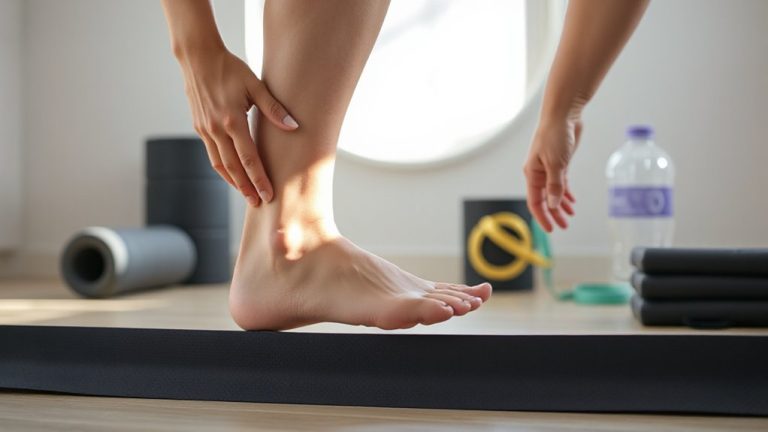
Overuse injuries-gradual damages caused by repetitive stress on tendons, bones, and joints-often fly under the radar in youth sports, especially when compared to sudden, dramatic sprains or fractures. You’re likely seeing these more than you realize, especially during growth spurts, when young athletes’ bodies change rapidly and unevenly. That fast development increases joint stress, making tendons and bones more vulnerable to strain. Common issues include Little League elbow, jumper’s knee, and stress reactions in the shins or spine. These aren’t just minor aches-they’re early signals of imbalance between training load and recovery. You need to monitor training volume closely, because without proper rest and recovery protocols, even top-tier fitness gear can’t prevent breakdown. Supportive footwear and compression wear help manage impact, but they’re supplements, not solutions. Real prevention starts with recognizing that repetitive motion without recovery compromises tissue integrity-especially in developing bodies.
Spot Warning Signs Early: Before Injuries Worsen
How often do your athletes play through a nagging ache, brushing it off as just part of training? That seemingly minor discomfort could signal the start of an overuse injury. You need to watch for subtle changes-altered movement, reduced performance, or consistent complaints in the same area. These are clues to deeper injury patterns forming beneath the surface. Early detection isn’t just helpful; it’s essential. Catching these signs early allows timely intervention before serious damage occurs. You can’t rely on athletes to speak up-they often won’t. Instead, track workloads, monitor behavior shifts, and document physical responses over time. Recognizing recurring injury patterns across seasons helps you adjust programming proactively. Your vigilance turns small observations into powerful prevention tools. With consistent attention, you’ll protect athlete health and maintain long-term performance-without waiting for breakdowns to happen.
Match Training Volume With Smarter Recovery
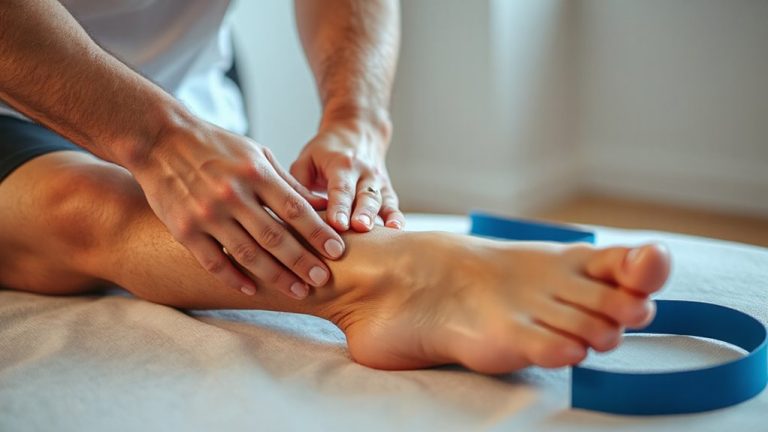
Why do some athletes bounce back quickly while others stall, no matter how hard they train? The answer often lies in how well you match training volume with smarter recovery. Pushing hard without adequate rest increases injury risk, but smart recovery isn’t just about rest-it’s strategic. Active recovery, like light cycling or swimming, boosts circulation and reduces muscle stiffness without adding strain. Recovery sessions should be intentional, not passive. Consider using tools like foam rollers, compression gear, or percussion devices-they’re not gimmicks. When used correctly, they support tissue repair and enhance readiness. A high-density best foam rollers can make a significant difference in breaking down muscle tightness and improving mobility. Ignoring recovery undermines even the best training plans. Proper recovery techniques are essential for injury prevention and long-term performance. You can’t out-train chronic fatigue. Balance is key. Smart coaches don’t just track reps and sets-they monitor recovery just as closely.
Fix Muscle Imbalances That Cause Injury
Where do injuries really begin? Often, they start long before pain flares-rooted in hidden muscle imbalances that disrupt muscle symmetry and alter joint alignment. When one side of a muscle group overpowers its counterpart, it creates uneven forces across joints, increasing wear and tear over time. You’ve likely seen athletes who favor one side or exhibit awkward movement patterns-these are red flags. Ignoring these imbalances leads to overuse injuries, especially under repetitive stress. You can catch them early with simple assessments like unilateral strength tests or movement screens. Corrective exercises-such as single-leg drills or controlled eccentric work-help restore balance. Don’t rely solely on recovery tools like foam rollers or massage guns; they feel good but won’t fix underlying asymmetries. True prevention means addressing root biomechanical flaws. Prioritize balanced strength, not just volume or speed. Good alignment isn’t optional-it’s foundational.
Teach Technique and Safe Progression
A well-executed movement pattern isn’t just about looking smooth-it’s about staying injury-free over the long haul. You need to prioritize proper form from day one, because sloppy technique magnifies stress on joints and tendons over time. Whether it’s sprinting, lifting, or changing direction, correcting errors early prevents compensations that lead to overuse. Demonstrating and reinforcing correct mechanics guarantees athletes move efficiently and safely. Pair that with gradual intensity-ramping up load, volume, or complexity only when the body adapts. Pushing too hard too soon overwhelms tissues, especially when recovery systems aren’t yet conditioned. You’re not just building performance; you’re building resilience. Monitoring how athletes respond to each progression helps you adjust wisely. When proper form and gradual intensity guide your training structure, you create a foundation that supports long-term development without unnecessary breakdowns.
Customize Plans to Prevent Overuse
While no two athletes respond exactly the same to training stress, you can’t afford to treat them all the same if you want to prevent overuse injuries. Individualized assessments help you identify each athlete’s strengths, weaknesses, and recovery needs. Couple this with sport specific modifications to align training with actual game demands, reducing repetitive strain. Customizing plans isn’t just smart-it’s essential for long-term athlete health.
| Factor | Customization Strategy |
|---|---|
| Injury History | Adjust volume based on past stress patterns |
| Biomechanics | Modify drills using individualized assessments |
| Position | Apply sport specific modifications for load management |
| Recovery Rate | Schedule rest using fitness recovery data |
Using fitness gear like wearable trackers enhances accuracy in monitoring workload. These tools, when applied consistently, support informed decisions that prevent overuse. You’re not just coaching-you’re adapting. Incorporating a best massage gun can further aid in managing muscle recovery and reducing the risk of overuse injuries.
On a final note
You’re not just training athletes-you’re building resilience. Smart recovery isn’t optional; it’s foundational. Using proper fitness gear like compression sleeves or foam rollers supports tissue repair and reduces downtime. But gear alone won’t fix flawed programs. You need balanced loads, technique mastery, and individualized plans. When recovery aligns with training intensity, athletes adapt better, avoid overuse, and perform sustainably. That’s how lasting gains are made.