Fascia Dysfunction Management Through Comprehensive Stretching Routines
You’re likely feeling stiff because tight fascia restricts movement and amplifies discomfort, often without a clear injury. Thorough stretching helps by slowly lengthening fascial tissue, especially when combined with dynamic warm-ups and myofascial release using rollers or balls. Sustained stretches-held for 90 seconds or more-improve elasticity and reduce density over time. Consistency matters most: daily routines enhance resilience, hydration, and glide. Tools support the process, but results depend on mindful, long-term effort-there’s more to discover about optimizing each step.
Notable Insights
- Dynamic warm-ups enhance fascial elasticity and prepare tissues for effective stretching.
- Slow, sustained stretches of 90 seconds or more promote collagen realignment and avoid reflexive tightening.
- Full fascial chain stretching improves coordination and addresses interconnected tissue restrictions.
- Daily 10–15 minute routines combining foam rolling and stretching optimize fascial glide and recovery.
- Consistent, mindful practice over weeks leads to reduced stiffness and improved fascial resilience.
What Is Fascia and Why It Affects Your Movement
Think of fascia as the body’s internal spiderweb-a thin, stubborn layer of connective tissue that wraps around muscles, bones, nerves, and organs, holding everything in place. This connective tissue isn’t just padding; it’s dynamic, responding to how you move, rest, and recover. When fascia density increases-often due to inactivity or repetitive strain-it stiffens, restricting motion and reducing flexibility. That’s where targeted fitness recovery tools come in. Foam rollers, massage balls, and vibration devices don’t just soothe soreness-they help normalize fascia density by stimulating fluid exchange and tissue elasticity. You’ll notice better range of motion after consistent use, especially when combining these tools with stretching. High-quality recovery gear performs best when designed to mimic manual therapy, offering precise pressure without bruising delicate tissue. Used correctly, they maintain supple, responsive fascia, keeping your movement efficient. It’s not magic-it’s biomechanics. Choosing the right best foam rollers can significantly enhance the effectiveness of your fascial release routine.
How Fascia Dysfunction Causes Pain and Stiffness
When fascia loses its natural elasticity due to overuse, injury, or prolonged immobility, it can tighten and adhere to surrounding tissues, restricting movement and compressing nerve pathways. You might not realize it, but decreased hydration levels in the fascia reduce its pliability, making it more prone to stiffness and discomfort. As compression increases, inflammation markers rise, signaling low-grade, chronic inflammation that contributes to persistent pain. This environment limits your recovery and impairs muscle function. Without intervention, the cycle of tightness, pain, and inflammation is self-reinforcing. Fitness recovery tools like foam rollers or textured massage balls can help disrupt adhesions, though their effectiveness depends on consistent use and proper technique. Hydration and targeted care remain key-both for performance and long-term fascial health. You’re not just stretching tissue; you’re influencing cellular behavior and supporting systemic balance. Incorporating a vibrating foam roller can enhance myofascial release by increasing blood flow and reducing muscle tension more efficiently than traditional rollers.
Warm Up Fascia With Dynamic Movement
Because fascia responds best to gradual increases in temperature and movement, starting your routine with dynamic exercises primes the connective tissue for deeper work and improved mobility. You’ll boost circulation and gently hydrate the fascial matrix, which enhances elasticity and reduces stiffness. Dynamic movements-like leg swings, arm circles, or walking lunges-promote joint mobility and muscle activation without overstressing the system. These actions simulate real-life motion patterns, preparing your body efficiently. Unlike static stretching, dynamic warm-ups engage multiple planes of motion, ensuring you’re not just limber but functionally ready. You’re not merely loosening up-you’re signaling your nervous system to recruit muscles more effectively. This phase is essential: skipping it means your fascia won’t respond as well to later stretching or release techniques. Think of it as turning cold clay into warm, pliable dough-essential prep before shaping. You’re setting the stage for recovery, resilience, and long-term tissue health.
Use Balls and Rollers to Release Fascia
While your fascia is warmed and primed from dynamic movement, now’s the time to apply targeted pressure using balls and rollers to release adhesions and restore tissue glide. Tools like foam rollers and massage balls enhance myofascial release by breaking up tightness and improving circulation. You’ll find firm rollers effective for broad areas like quads, while smaller balls target specific zones-ideal for trigger point therapy in stubborn knots. High-density foam maintains shape over time, and textured surfaces increase grip, though smooth ones suit sensitive users. Consistent use can reduce soreness and improve mobility, but avoid excessive pressure that risks bruising. Opt for slow, controlled rolls, pausing on tender spots for 20–30 seconds. These tools aren’t magic, but when used correctly, they support recovery by addressing fascial restrictions mechanically. Quality matters-durable materials guarantee long-term performance and reliability during daily routines. For those seeking precision relief, the best recovery balls offer firmness and size options tailored to individual needs, with best recovery balls providing optimal density for effective myofascial release.
Stretch Slowly to Rebuild Fascia Flexibility
A good stretch routine can make all the difference in restoring fascial elasticity, and doing it slowly is key-your connective tissue responds best to sustained, gentle tension rather than quick, aggressive pulls. Slow stretching allows for gradual elongation of the fascia, promoting realignment of collagen fibers and improved tissue hydration. When you move too fast, you trigger stretch reflexes that tighten muscles, counteracting your goal. Instead, hold each stretch for 90 seconds or more, letting your fascia adapt without resistance. Research shows this method increases flexibility safely, reducing injury risk. You’ll notice better mobility and less stiffness over time, especially when using supportive gear like padded mats that encourage longer holds. Slow stretching isn’t about immediate results-it’s a strategic recovery tool. Gradual elongation builds resilient, pliable fascia, making it essential for anyone managing dysfunction. Stick with it, and you’ll feel the long-term payoff in movement quality and comfort.
Combine Stretches for Full-Body Fascia Relief
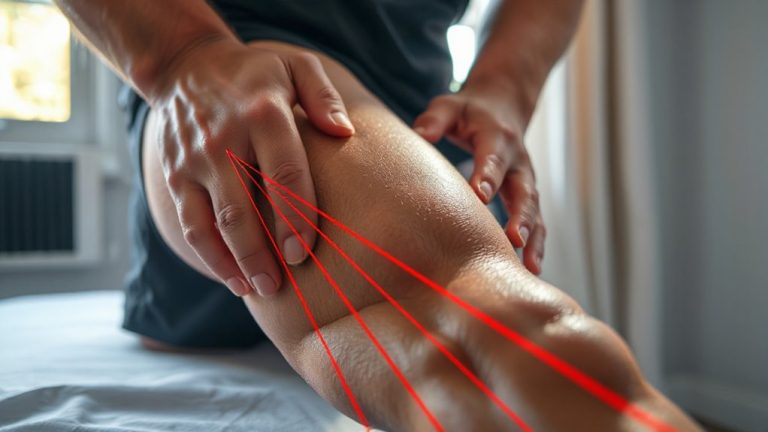
How do you turn isolated stretches into a powerful tool for full-body fascia relief? You combine them strategically, linking upper, lower, and core movements to engage interconnected fascial lines. This approach enhances cross training synergy, allowing different muscle groups to work together more efficiently while reducing overuse in any single area. Instead of just stretching your hamstrings or shoulders in isolation, integrate dynamic flows-like a standing forward bend to gentle twist-that promote fluid transfer of tension. Maintaining mindful posture throughout guarantees alignment and prevents compensation. Quality matters more than quantity; perform each shift slowly, feeling the fascia release along entire chains. Over time, this integration supports better movement patterns and long-term recovery. The result isn’t just flexibility-it’s resilience, coordination, and a body that functions as a unified system, primed for both performance and repair.
Create a Daily Fascia Stretching Routine
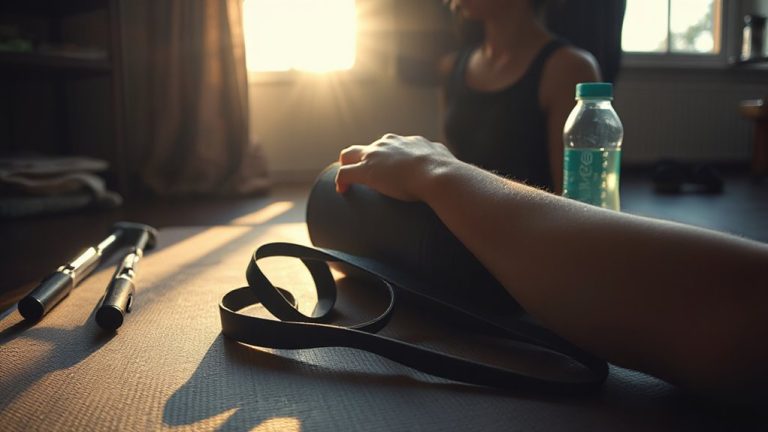
You’ve started linking stretches to engage entire fascial chains, so now it’s time to build consistency by shaping those movements into a daily routine. Aim for 10–15 minutes each morning or evening, focusing on smooth, connected motions that flow from one stretch to the next. This consistency supports fascia nutrition by stimulating hyaluronan production, which keeps connective tissue supple. Hydration impact is critical-well-hydrated fascia responds better to stretching and recovers faster. Pair your routine with a foam roller to enhance tissue glide, especially along the back line and spiral chain. Quality fitness recovery gear, like textured rollers or vibration tools, can amplify results when used mindfully. Avoid aggressive bouncing; instead, favor sustained, gentle traction. Over weeks, you’ll likely notice improved elasticity and reduced stiffness, signaling healthier fascial function. Stick with it-daily input yields cumulative benefits most tools alone can’t match.
On a final note
You’ve seen how fascia impacts movement and recovery, and now consistent stretching makes a real difference. Using rollers or balls isn’t a luxury-it’s practical maintenance. Slow, deliberate stretches rebuild tissue resilience better than quick fixes. A daily routine fights stiffness, boosts mobility, and supports long-term fitness goals. The right gear, like firm but contoured rollers, enhances results. This isn’t magic; it’s science-backed, sustainable recovery done right.