Understanding the Role of Rest in Overuse Injury Recovery for Fitness Enthusiasts
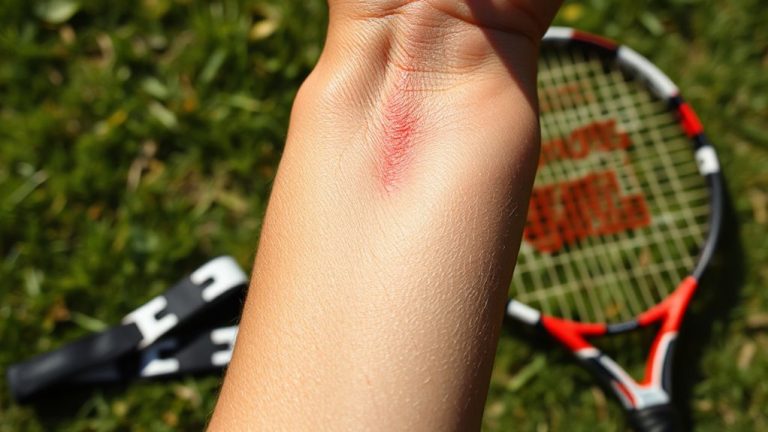
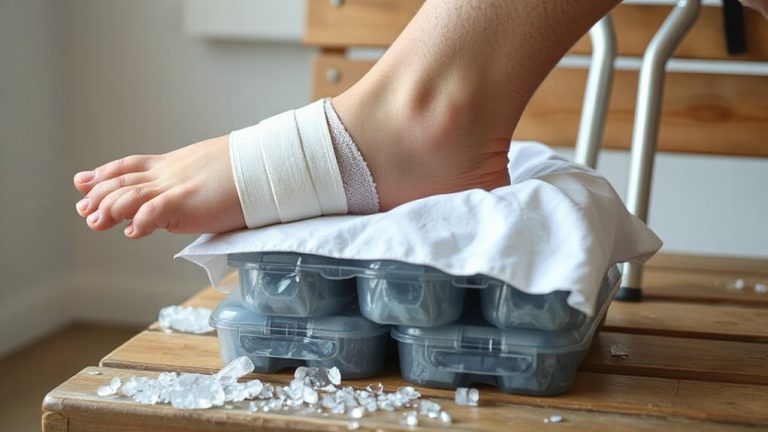
You need rest to recover from overuse injuries because continuing to train stresses damaged tissues, slowing healing and raising long-term risks. Even high-end fitness gear can’t fully protect strained tendons or muscles without adequate downtime. Rest reduces inflammation, supports tissue repair, and resets your immune response. Active recovery-like swimming or walking-boosts blood flow and maintains fitness safer than total inactivity. Pushing through pain or fatigue often backfires, and knowing when to pause is as essential as the workout itself-your next move could make all the difference.
Notable Insights
- Rest prevents further damage by allowing overstressed tissues time to heal and regenerate.
- Active rest boosts blood flow, aiding nutrient delivery and tissue repair without overloading injured areas.
- Persistent pain, fatigue, and performance drops signal the need for immediate recovery intervention.
- Returning to training too soon risks re-injury; resume only when pain-free and with medical approval.
- Low-impact activities like swimming or cycling maintain fitness while minimizing joint and tendon strain.
Why Rest Is Essential for Overuse Injury Recovery
While you might be keen to push through the pain, taking time off is actually one of the most effective ways to heal an overuse injury-because continuing to stress an already strained tendon, muscle, or joint only delays recovery and increases the risk of long-term damage. Rest supports inflammation control by reducing ongoing microtrauma, allowing immune responses to stabilize without constant disruption. It’s during downtime that your body shifts into tissue regeneration mode, repairing microtears and reinforcing connective structures. Without adequate rest, even the most advanced fitness gear-like compression sleeves or shock-absorbing shoes-can’t fully protect you from regression. You may stay active, but true recovery hinges on giving your body time to rebuild. Rest isn’t a setback; it’s a necessary phase in the healing process, just as critical as training itself. Prioritize it, and you’ll return stronger, with lower risk of reinjury.
How Active Rest Speeds Healing Better Than Total Rest
Rest doesn’t mean you have to stop moving altogether-and in fact, staying completely inactive can slow your recovery more than help it. Contrast active and passive recovery: while passive recovery involves total rest, like bed rest or immobilization, active rest includes low-impact movements such as walking, swimming, or gentle cycling. These activities boost circulation, delivering oxygen and nutrients to damaged tissues without overloading them. You’re not just healing-you’re adapting. Active rest also helps maintain neuromuscular connections, joint mobility, and cardiovascular fitness, which passive recovery can’t support. Fitness gear like compression sleeves or recovery boots can enhance this process, supporting tissue repair and reducing inflammation. Evidence shows structured active rest speeds healing better than prolonged stillness. You’ll return stronger and with lower re-injury risk. It’s not about pushing through pain-it’s about moving smarter. For those using recovery boots, choosing the best compression boots can optimize results during active rest.
5 Signs You Need to Stop Training and Recover
If you’re pushing through workouts and noticing your performance has plateaued or even declined despite consistent effort, it might be time to hit pause-your body could be signaling that recovery is no longer optional. Persistent pain signals, especially if they linger after exercise, aren’t just discomfort-they’re warnings of overuse. Ignoring them can turn minor strain into serious injury. You should also monitor fatigue levels; if you’re feeling drained before workouts or struggling to complete routines you once mastered, your nervous system may be overstressed. Chronic soreness, disrupted sleep, and irritability often accompany excessive training. Unlike temporary muscle fatigue, these symptoms suggest inadequate recovery. Active rest helps, but sometimes total downtime is necessary. Smart fitness isn’t just about gear or reps-it’s about listening. Your progress depends on recognizing when to stop. Pushing through these signs risks setbacks, not gains. Incorporating effective recovery tools into your routine can accelerate healing, with Top Recovery Tools offering expert-vetted options for muscle relief and performance restoration.
How to Return to Workouts Safely After an Injury
How do you know when it’s truly safe to ease back into training after an injury? You’re ready when pain-free movement returns and your doctor or physical therapist gives the okay. Start with gradual progression-don’t jump into heavy lifts or long runs. Instead, rebuild stamina and strength slowly over days or weeks. This approach lowers re-injury risk and improves tissue resilience. Use modified intensity: reduce weight, speed, or volume by at least 30–50% initially. Monitor how your body responds-any swelling or discomfort means you pushed too soon. Supportive fitness gear like compression sleeves or proper footwear can enhance joint stability, but they’re not substitutes for smart recovery. As you reintroduce compound movements like squats, consider using knee straps for squats to provide added support and reduce strain on the tendons. Always prioritize form over load. Returning safely isn’t about speed; it’s about consistency, patience, and respecting what your body can handle right now.
How to Stay Fit Without Risking Joint Damage
Joint longevity hinges on smart movement, not just effort-so swapping high-impact routines for low-stress alternatives keeps fitness on track without straining vulnerable areas. Low impact alternatives like swimming, cycling, and elliptical training reduce joint load while maintaining cardiovascular and muscular endurance. You’ll gain even more by embracing cross training benefits: improved muscle balance, reduced overuse risk, and enhanced recovery through varied movement patterns. Pairing these workouts with proper fitness gear-cushioned footwear, supportive braces, or ergonomic equipment-further protects joints during exercise.
| Activity | Joint Stress | Cross Training Benefits |
|---|---|---|
| Swimming | Low | Full-body endurance |
| Cycling | Low | Quad and glute strength |
| Elliptical | Moderate | Weight-bearing safety |
| Resistance Band | Low | Joint-stable activation |
On a final note
You need rest to heal overuse injuries, but total inactivity often slows progress. Active recovery-like swimming or cycling-boosts circulation without stressing sore joints. You’ll recover faster when you listen to symptoms like persistent pain or reduced range of motion. Returning too soon risks reinjury, especially with improper gear. Supportive footwear and joint sleeves help, but prevention beats treatment. Smart training means balancing load, recovery, and equipment to stay fit long-term.