Preventing Stress Fractures: Practical Advice for High-Impact Sports Enthusiasts
You’re not weak for resting-you’re smart. Persistent pain means microcracks, not just soreness, and early detection with advanced imaging can stop full fractures. Progress workouts gradually: 10% increases followed by deload weeks align with bone adaptation. Cross-train with low-impact options, wear supportive shoes (replace every 500 miles), and fuel with calcium, vitamin D, and collagen. Recovery isn’t downtime-it’s when strength builds. There’s a smarter way forward, backed by science and proven results.
Notable Insights
- Recognize early pain during activity as a warning sign of potential bone stress, not mere soreness.
- Use advanced imaging when persistent localized pain suggests microdamage undetectable on standard X-rays.
- Progress training gradually with a 10% weekly increase followed by a 30% deload every fourth week.
- Incorporate cross training like swimming or cycling to reduce repetitive impact and improve overall resilience.
- Wear supportive, cushioned footwear and prioritize bone-healthy nutrition with calcium, vitamin D, and protein.
Recognize the First Signs of a Stress Fracture
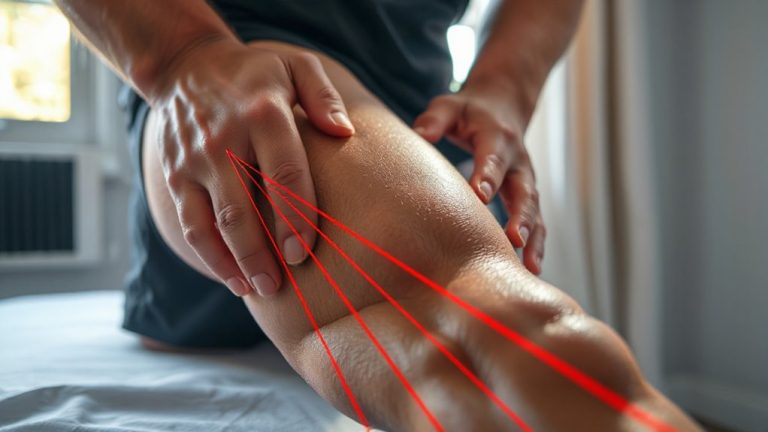
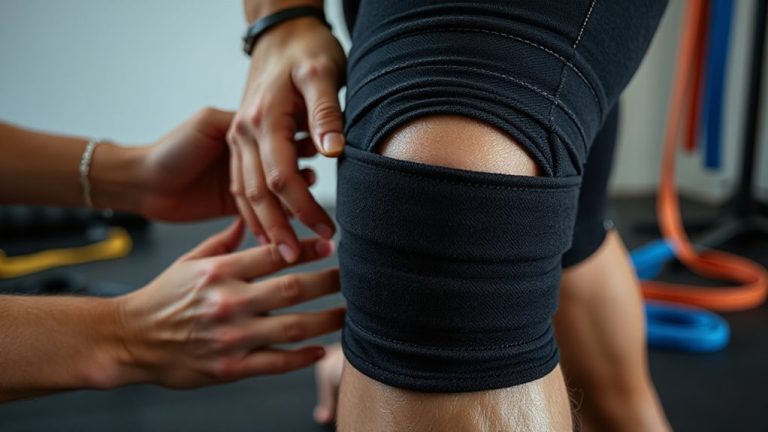
Why do some runners push through nagging pain only to end up sidelined for weeks? Because they miss the early signs of a stress fracture. You might feel a subtle ache that worsens with activity-this isn’t just soreness. It could signal bone bruising or the formation of microcracks in the cortex. These tiny injuries, invisible to standard X-rays, require advanced imaging for accurate microcracks detection. Left unchecked, they progress into full fractures. Fitness recovery isn’t just rest-it’s timely intervention. High-impact sports enthusiasts often rely on gear like compression sleeves or cushioned shoes, but tech-enhanced apparel with load-monitoring sensors can offer real-time feedback. That’s proactive prevention. Ignoring early signals risks longer downtime. Recognizing discomfort as a physiological warning, not weakness, reflects smarter training. With the right recovery mindset and tools, you stay in the game-healthier, stronger, and better informed about your body’s limits. Proper knee support, such as using best knee straps for squats, can help manage joint stress during high-impact training.
Stop When Pain Doesn’t Go Away
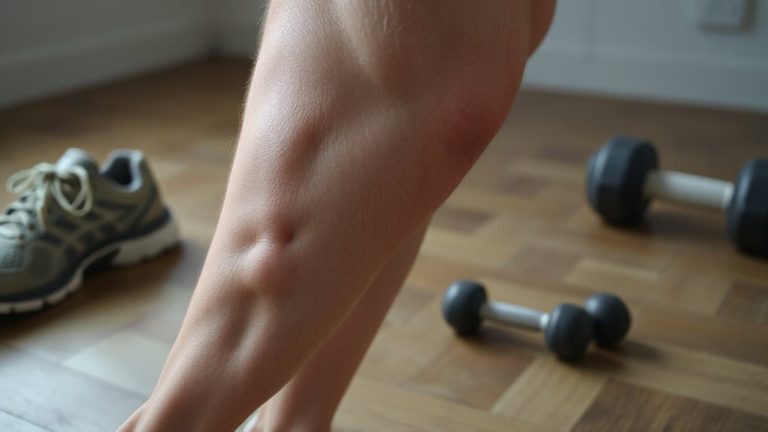
How long should you really keep running when something doesn’t feel right? If pain lingers beyond normal soreness, pushing through could turn a minor issue into acute injuries requiring lengthy recovery. You might think rest is wasted time, but it’s actually strategic recovery-essential for long-term performance. Persistent pain, especially localized and worsening with activity, isn’t something to ignore. Unlike fleeting discomfort, it signals underlying damage, possibly a stress fracture. Continuing stresses weakened bone, increasing the risk of full fracture. Don’t wait for collapse-seek a medical consultation early. A doctor can differentiate between muscle fatigue and bone stress, using imaging if needed. Ignoring the warning may cost you weeks or months. Smart training includes knowing when to stop. Recovery isn’t weakness; it’s how your body adapts, rebuilds, and ultimately becomes stronger. Stop in time, and you’ll return faster, safer.
Increase Activity Gradually to Prevent Stress Fractures
While your drive to improve may push you to ramp up training quickly, doing so drastically increases the risk of stress fractures, especially if your bones haven’t adapted to the load. Instead, apply the principle of progressive overload-gradually increasing intensity, duration, or frequency-to give your skeleton time to strengthen. This method supports safe gains without overwhelming bone tissue. Pair this approach with cross training to balance musculoskeletal demands and reduce repetitive strain on the same areas.
| Week | Recommended Increase |
|---|---|
| 1–2 | 10% in distance or time |
| 3 | Maintain, add strength work |
| 4 | Deload week, reduce volume by 30% |
This structured buildup enhances recovery, improves adaptation, and aligns with evidence-based training models. Combining progressive overload with cross training forms a sustainable path toward peak performance while minimizing injury risk.
Switch Up Your Routine to Reduce Stress Fracture Risk
A well-rounded training plan shouldn’t rely on repetition alone-varying your workouts is key to lowering stress fracture risk. You need to crosstrain regularly to give overused bones and muscles a break while still building fitness. Swapping out some runs for swimming or cycling reduces repetitive impact without sacrificing endurance gains. It’s not just about changing activities, though-you’ve also got to varyintensity levels throughout the week. Alternating hard training days with lighter sessions helps your body adapt without accumulating microdamage in weight-bearing bones. High-impact routines that never change leave you vulnerable, especially on hard surfaces. By mixing movement patterns and loading forces, you distribute stress more evenly across your skeleton. This approach supports long-term resilience, letting your body recover effectively between bouts. Smart variation isn’t just helpful-it’s essential for sustainable performance and injury prevention in high-impact sports.
Wear Impact-Absorbing Shoes for Joint and Bone Support
Your shoes do more than carry you mile after mile-they’re your first defense against the cumulative toll of impact on bones and joints. Choosing the right pair means prioritizing cushion serial support and arch stability to reduce stress fracture risks. High-impact activities demand footwear engineered to absorb shock and maintain proper foot alignment. Worn-out or ill-fitting shoes compromise both, increasing the strain on your lower limbs. Adding best insoles for pickleball can further enhance shock absorption and support during repetitive movements.
| Feature | Why It Matters | Ideal In Practice |
|---|---|---|
| Cushioning support | Reduces force transmitted to bones | Gel or foam midsoles, responsive feel |
| Arch stability | Prevents overpronation and fatigue | Structured inserts, firm heel counters |
| Outsole grip | Enhances control on varied terrain | Durable rubber with tread patterns |
Replace shoes every 300–500 miles to maintain performance.
Rest and Recover to Avoid Overuse Injuries
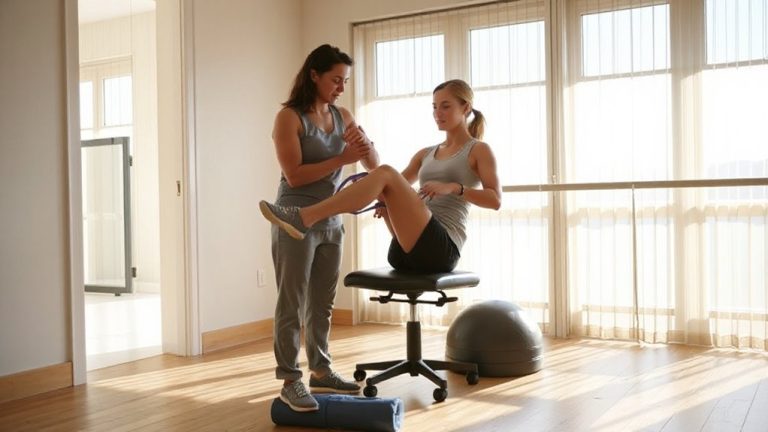
You’ve invested in shoes that cushion each step and support your arches, but even the best gear can’t compensate for skipping rest days. Your bones need time to repair microdamage from repeated impact-without rest, stress builds and fractures follow. Active recovery isn’t a luxury; it’s essential. Swap hard runs for low-impact sessions like swimming or cycling, which maintain fitness while reducing skeletal load. These sessions boost circulation, helping tissues heal without complete inactivity. Cross training balances your regimen, distributing stress across different muscle groups and joints, which minimizes repetitive strain. Think of it as strategic variety: strength work, yoga, or elliptical training not only prevent overuse but improve overall performance. Listen to your body-if you’re fatigued or nagging pain lingers, step back. Recovery isn’t lost progress; it’s how you guarantee long-term gains and sustained resilience in high-impact sports. Incorporating Top Recovery Tools can further enhance your recovery routine and help prevent overuse injuries.
Eat for Stronger Bones and Faster Healing
While gear and training adjustments play a key role in injury prevention, nutrition often gets overlooked-even though what you eat directly affects bone density and recovery speed. You need consistent bone nutrition to handle the stress of high-impact activity. Calcium and vitamin D are essential, supporting mineralization and reducing fracture risk. Don’t forget magnesium, vitamin K, and protein-they all contribute to stronger, more resilient bones. When an injury does occur, healing foods like fatty fish, leafy greens, nuts, and bone broth provide nutrients that support tissue repair. Collagen supplements have shown promise in speeding up recovery times when paired with proper rest. Your gear may cushion impacts, but without solid dietary support, your skeleton can’t adapt or heal efficiently. Prioritize whole, nutrient-dense foods daily. Strong bones aren’t built in a week-they’re the result of consistent, smart choices.
On a final note
You can’t ignore persistent pain-it’s often the first sign of a stress fracture. Gradual progression, cross-training, and impact-absorbing footwear reduce risk markedly. Rest and proper nutrition, especially calcium and vitamin D, support bone strength and recovery. High-performance gear helps, but it’s no substitute for smart training. Ultimately, combining preventive habits with quality equipment delivers the best results for long-term fitness sustainability and injury prevention.