The Role of Physical Therapy in Healing Joint Injuries and Conditions
You’re more likely to fully heal and regain joint function with physical therapy guiding your recovery. It reduces stiffness, relieves pain, and strengthens tissues through targeted exercises and evidence-based techniques. Starting early prevents long-term weakness or re-injury, especially with sprains, strains, or post-surgery. Modalities like ultrasound and custom mobility drills improve circulation and joint mechanics. With the right support and progressive rehab, you’ll move better and stay protected-there’s more to discover about optimizing your recovery.
Notable Insights
- Physical therapy ensures complete joint recovery by guiding organized tissue healing and preventing long-term weakness.
- Early initiation of PT reduces swelling, restores mobility, and supports healing without worsening joint damage.
- Structured therapy accelerates healing for sprains, strains, tendonitis, and post-surgical joint repairs.
- Targeted exercises and manual techniques reduce pain, inflammation, and stiffness while improving circulation.
- Custom exercise programs enhance strength, flexibility, and joint mechanics to prevent re-injury and improve function.
Why Joint Injuries Need Physical Therapy
While your body can start healing a joint injury on its own, skipping physical therapy often leads to incomplete recovery and long-term weakness. You might feel better initially, but without guided rehab, tissue healing can be disorganized, resulting in stiff or weak connective tissues. Physical therapy guarantees your joint stability improves through targeted exercises that reinforce proper movement patterns. Without it, you risk re-injury or chronic dysfunction, especially under physical stress. Think of it like repairing a torn fabric: simply waiting won’t realign the fibers. Therapists use evidence-based techniques to accelerate tissue healing and restore load-bearing function. Fitness gear like resistance bands or stability balls may help, but they’re no substitute for professional guidance. Used alone, they can’t guarantee correct form or progression. Physical therapy doesn’t just aid recovery-it builds resilience. You’re not just healing; you’re rebuilding smarter, stronger, and with far better odds of long-term success.
When to Start PT After Joint Damage
When should you actually begin physical therapy after a joint injury? You shouldn’t wait until all pain is gone-starting too late can slow recovery. If you’re dealing with acute swelling, early PT helps manage fluid buildup and restore mobility without strain. In many cases, a therapist will use gentle techniques within days of injury to support healing. But if there’s nerve compression, your treatment must proceed carefully; aggressive movement could worsen symptoms. The timing hinges on your specific condition-your doctor and physical therapist will evaluate inflammation levels, joint stability, and neurological signs. Beginning PT early, yet safely, improves long-term outcomes by preventing stiffness and muscle atrophy. Delaying unnecessarily often leads to longer rehab. Using proper fitness recovery gear-like supportive braces or compression sleeves-can enhance protection during early exercises. A high-quality compression sleeves choice can improve circulation and support joint stability during rehabilitation. PT isn’t just about rehab-it’s about restoring function efficiently, with precision.
Common Injuries That Heal Faster With Physical Therapy
A range of common joint injuries respond markedly better to structured physical therapy than to rest alone, and you’ll often regain function faster when guided rehab is part of your recovery plan. You’ll see quicker healing with sprains, strains, tendonitis, and post-surgical joint repairs when physical therapy is involved. These conditions benefit from targeted exercises that improve mobility and strength, while bracing support helps stabilize the joint during early recovery, reducing re-injury risk. Physical therapists also guide you in proper movement patterns, which enhances injury prevention over time. Unlike passive recovery, PT actively rebuilds confidence in your joint’s function. You’ll use evidence-based protocols tailored to your needs, ensuring efficient progress. Equipment like resistance bands and balance tools aid performance and consistency. With regular assessment, your plan evolves as you improve. Physical therapy doesn’t just speed recovery-it builds resilience, so you return stronger and better equipped to handle daily or athletic demands safely.
How PT Relieves Pain and Reduces Stiffness
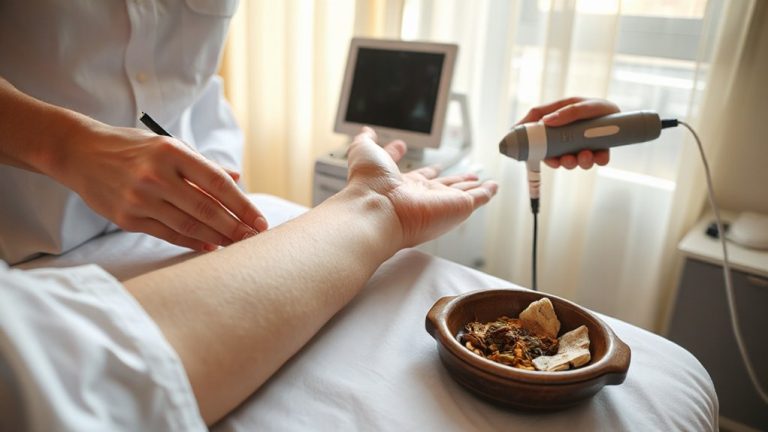
Because physical therapy targets the root causes of joint discomfort, not just the symptoms, you’ll find it’s far more effective than temporary pain relief methods. Your therapist uses hands-on techniques and targeted movements to decrease inflammation, ease muscle tension, and improve circulation-all key factors in pain management. You’ll notice joint flexibility increasing over time as scar tissue breaks down and connective tissues become more pliable. Modalities like heat, ultrasound, or electrical stimulation may also be used to relax stiff areas and amplify results. Unlike passive treatments, PT actively involves you in recovery, promoting lasting change. Consistency matters: the more you stick with your routine, the faster you’ll regain smooth, pain-free motion. These methods don’t just mask discomfort-they retrain your body to move correctly. With improved joint flexibility and reduced stiffness, daily activities become easier, and your independence returns.
Custom Exercises That Restore Joint Strength
You’ve already seen improvements in flexibility and reduced stiffness through targeted techniques, and now it’s time to build on that progress by strengthening the muscles around your injured joint. Custom exercises are designed specifically for your condition, focusing on gradual muscle activation to avoid strain while promoting endurance. These movements-often low-load and high-repetition-enhance joint stabilization by retraining supporting muscles to work efficiently. Your therapist might use resistance bands, body weight, or light weights to safely challenge weakened areas. The gear used, like therapeutic bands or stability discs, isn’t flashy but is built for precision and consistent resistance. Over time, these exercises restore functional strength, reducing reliance on passive treatments. Unlike generic fitness routines, this tailored approach guarantees you’re not just moving more-but moving smarter. The result? A stronger, more resilient joint capable of handling daily demands with less risk of re-injury.
How Physical Therapy Improves Mobility
While flexibility and strength lay the foundation, mobility-your ability to move freely and smoothly through a full range of motion-is the functional outcome that makes everyday activities possible. Your physical therapist uses targeted exercises and manual techniques to restore normal joint mechanics, directly improving your range of motion. You’ll notice it when you reach, bend, or climb stairs with less effort. These gains aren’t just about comfort; they’re essential for maintaining functional independence, especially after injury. Treatments often include dynamic stretching, neuromuscular re-education, and movement drills tailored to your limitations. Over time, you regain the smooth coordination needed for daily tasks. Mobility work bridges recovery and real-world performance, ensuring your joints don’t just feel better but work better. You’re not just healing-you’re relearning how to move efficiently, safely, and without restriction.
How PT Prevents Future Joint Injuries
When you strengthen weak muscles, correct imbalances, and retrain movement patterns, physical therapy doesn’t just help you recover-it actively reduces the risk of future joint injuries. Physical therapy emphasizes injury prevention by teaching your body to move efficiently and with control. You’ll develop better joint stabilization through targeted exercises that support ligaments and tendons, reducing strain during everyday activities or sports. By addressing muscle asymmetries and improving neuromuscular coordination, PT helps you avoid compensatory movements that often lead to re-injury. Modalities like proprioceptive training and functional movement drills are key, preparing your joints for real-world demands. Unlike generic fitness routines, PT is personalized to your biomechanics, making it more effective for long-term joint health. You’re not just healing-you’re building resilience. With consistent application, these strategies become habits, embedding injury prevention into your daily life.
On a final note
You’ll recover faster and more safely with physical therapy, as it targets joint strength, mobility, and pain reduction through proven methods. Custom exercises enhance flexibility and stability, while professional guidance reduces re-injury risks. Unlike generic fitness gear, which supports but doesn’t heal, PT offers tailored rehabilitation grounded in biomechanics. Consistent sessions improve joint function far beyond what braces or machines alone can achieve, making it essential for real recovery.