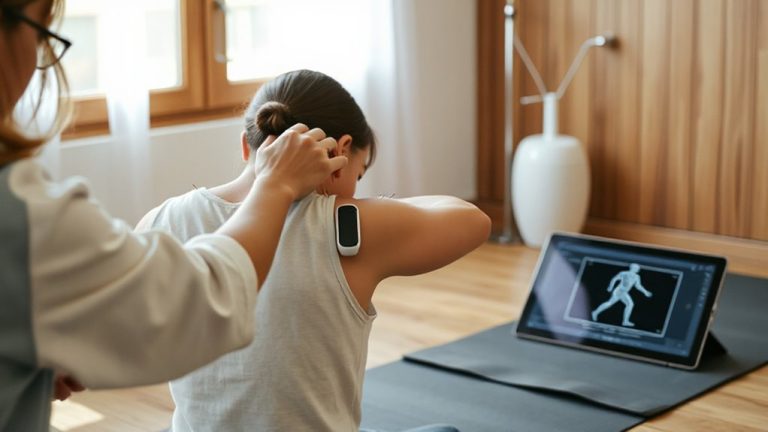
Building Stronger Muscles Through Proper Recovery Techniques for Muscle Strains
When you pull a muscle, controlled recovery builds back stronger. Use R.I.C.E. right away-rest, ice, compression, and elevation reduce swelling and protect fibers. Skip rest and you risk re-injury; add a compression sleeve for support without restricting blood flow. Once swelling drops, try gentle moves like glute bridges or band rows to safely reload tissue. Fuel recovery with protein and carbs post-movement, and prioritize deep sleep for peak repair. Smart recovery means not just healing-but adapting.
Notable Insights
- Allow muscle recovery by addressing fiber damage severity, as proper healing depends on the extent of the strain.
- Apply the R.I.C.E. method immediately to reduce swelling and support early tissue repair after a strain.
- Protect the injured area with rest and supportive gear to prevent re-injury and chronic issues.
- Rebuild strength gradually with controlled, low-intensity exercises once acute symptoms subside.
- Optimize recovery with timely nutrition, quality sleep, and consistent routines to enhance muscle repair and growth.
What’s Happening When You Pull a Muscle?
Why do some muscle strains sideline you for weeks while others barely slow you down? When you pull a muscle, you’re dealing with varying degrees of fiber tearing. Minor strains involve small micro-tears, triggering mild muscle inflammation and soreness, usually resolving within days. Severe pulls mean more extensive fiber tearing, leading to prolonged swelling, pain, and reduced function. The body responds with increased blood flow and immune activity to repair damage, but recovery hinges on the strain’s severity. Ignoring early symptoms or pushing through pain often worsens fiber tearing. Fitness recovery isn’t just about rest-understanding the injury’s scope shapes your approach. Recovery gear like compression wraps may help manage inflammation, but only if used appropriately. Accurate assessment guides effective care, ensuring you don’t underestimate a serious strain or over-treat a minor one. Incorporating targeted recovery tools such as best recovery bands can enhance blood circulation and support faster muscle repair.
Use R.I.C.E. to Recover From Muscle Strains
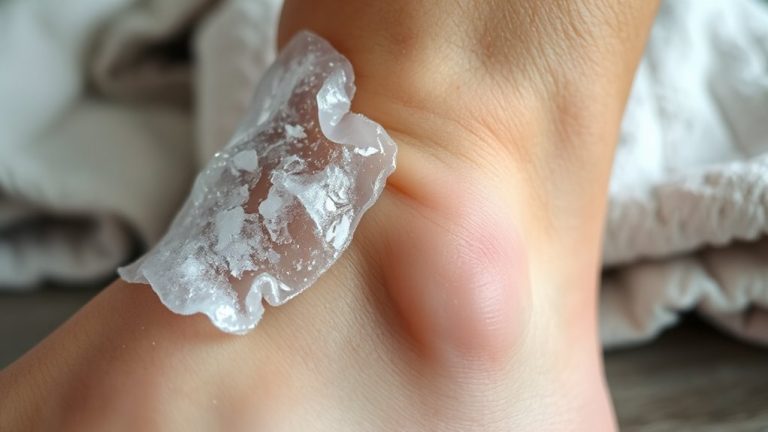
While you might be tempted to push through the discomfort after a muscle strain, applying the R.I.C.E. method-Rest, Ice, Compression, and Elevation-can substantially speed up recovery by targeting inflammation and supporting tissue repair. Cold therapy reduces swelling and numbs pain, especially within the first 48 hours. You’ll benefit from using gel packs or cold wraps designed for consistent thermal delivery. Compression techniques improve circulation control and limit fluid buildup. Elastic bandages or adjustable recovery sleeves offer reliable pressure without restricting blood flow. Elevation helps drain excess fluid from the injured area, minimizing stiffness. For more advanced recovery support, consider using leg compression boots which enhance circulation and reduce recovery time.
Rest and Protect the Injured Area Immediately
When you’re dealing with a muscle strain, giving your body the chance to heal starts the moment you stop moving and protect the affected area. Immediate rest prevents further damage, letting inflammation stabilize instead of worsen. You shouldn’t ignore pain or push through it-doing so risks prolonged recovery or chronic issues. Protection might mean using braces, wraps, or supportive gear that limits motion while maintaining circulation. During this phase, complete immobilization isn’t always best; once acute pain fades, introducing controlled, gentle movement helps maintain mobility without stressing fibers. It’s not active recovery yet, but it sets the stage-too much rest leads to stiffness, too little delays healing. Supportive fitness gear, like compression sleeves, aids this balance by providing stability with flexibility. You’ll find they’re practical for reducing strain during daily motions. Smart protection isn’t passive-it’s strategic positioning that prepares your muscle for the next recovery phase without overdoing it. A well-chosen best compression sleeves can enhance blood flow and support tissue repair during early recovery.
Rebuild Strength With Safe Recovery Moves
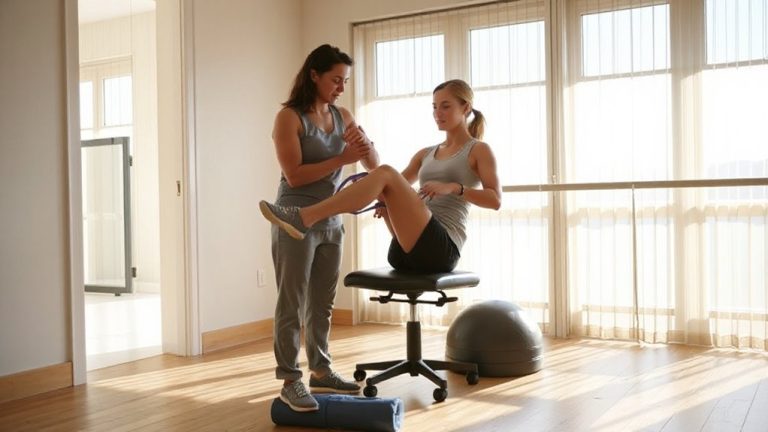
Though your muscle’s acute pain may have faded, jumping straight into heavy lifting or intense training risks setting back progress, so it’s smarter to rebuild strength through controlled, safe recovery moves that respect healing tissue. Focus on active recovery-light resistance and movement促进 blood flow without strain. Gradual loading guarantees fibers adapt without re-injury. Think bodyweight squats, resistance band rows, and slow tempo lunges. These moves maintain neuromuscular connection while safeguarding repair.
| Exercise | Intensity | Purpose |
|---|---|---|
| Band-Assisted Push-Ups | Low | Upper body activation |
| Glute Bridges | Moderate | Hip and hamstring control |
| Heel Slides | Low | Knee and quad mobility |
These recovery moves work best with proper form and consistency. Quality gear-like non-slip mats and adjustable bands-supports safe execution. You’re not just healing; you’re laying the foundation for stronger performance.
Heal Faster With Better Food and Sleep
You’ve taken the right steps with low-impact exercises that support muscle repair and maintain movement efficiency, but recovery doesn’t stop at what you do in the gym-it extends to what you eat and how well you sleep. Proper nutrition timing is essential: consuming protein and carbs within 30 to 60 minutes after activity boosts muscle synthesis and replenishes energy stores. Skipping this window slows recovery and can limit gains. Likewise, sleep quality directly impacts hormonal balance-growth hormone peaks during deep sleep, aiding tissue repair. Poor sleep disrupts this cycle, weakening recovery and increasing inflammation. You’re not just rebuilding muscle-you’re optimizing your body’s internal environment. Consistent meal planning and a bedtime routine improve both nutrition timing and sleep quality, enhancing recovery beyond physical techniques. Pair these habits with mindful activity choices, and you’ll see faster, stronger results. Recovery isn’t passive-it’s strategic.
On a final note
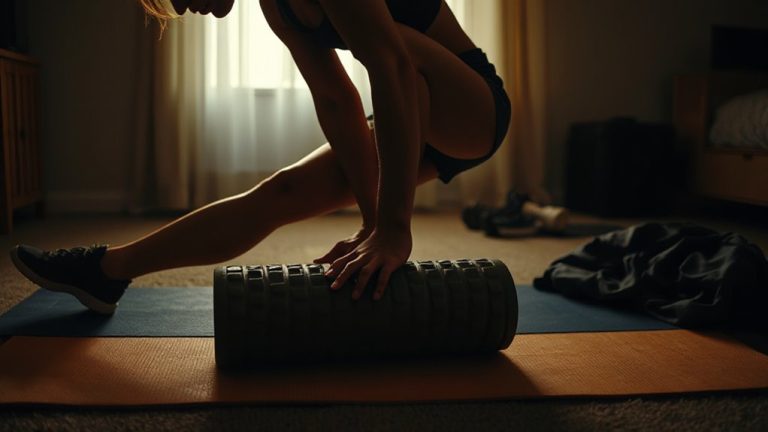
You’re rebuilding smarter, not just harder, by letting recovery fuel progress. Applying R.I.C.E., proper nutrition, and sleep accelerates healing while preventing setbacks. Strength comes back gradually-controlled movements rebuild muscle safely. Fitness recovery isn’t passive; it’s strategic. Quality gear, like supportive braces or foam rollers, enhances results by promoting circulation and reducing strain. Ignoring recovery risks chronic injury. Prioritize it, and you’ll return stronger, more resilient, and better prepared for the next challenge.