Why Innerspring Mattresses May Be Too Bouncy for Light-Sleeping Athletes
You’re likely losing deep sleep on a bouncy innerspring mattress because connected coils transfer movement across the bed, disrupting your rest with every shift. As a light-sleeping athlete, those interruptions hinder muscle repair, slow recovery, and reduce performance gains. Poor motion isolation means you feel your partner’s movements, while excessive bounce delays sleep cycle progression. For best recovery, you need a mattress that minimizes disturbance-something better designed models deliver. There’s a more ideal setup that aligns with your body’s needs.
Notable Insights
- Innerspring mattresses transfer motion easily due to interconnected coils, disrupting light sleepers during the night.
- Excessive bounce can prevent deep sleep by amplifying small movements, reducing recovery quality for athletes.
- Poor motion isolation means partner movement may wake light-sleeping athletes, impairing restorative sleep cycles.
- Frequent sleep interruptions from bounce hinder muscle repair, hormone balance, and performance adaptation.
- Memory foam or hybrid mattresses offer better motion absorption and quieter support than bouncy innerspring designs.
Why Sleep Quality Is Non-Negotiable for Athletes
Sleep quality isn’t just a luxury-it’s a core component of athletic recovery, and skipping on it can undo hours of training. When you’re asleep, your body focuses on muscle repair, restoring tissue broken down during workouts. Without deep, uninterrupted sleep, this process slows, leaving you sore and underprepared. It’s during rest that hormone regulation kicks in-growth hormone peaks, cortisol drops, and insulin sensitivity improves. These changes support recovery and performance. Poor sleep disrupts these cycles, weakening immune function and slowing adaptation. For light-sleeping athletes, even minor disturbances can interfere with these critical phases. While training and nutrition get attention, recovery gear like your mattress plays an underappreciated role. It’s not just comfort-it’s about creating ideal conditions for biological renewal night after night.
Why Innerspring Bounce Wrecks Your Recovery Sleep
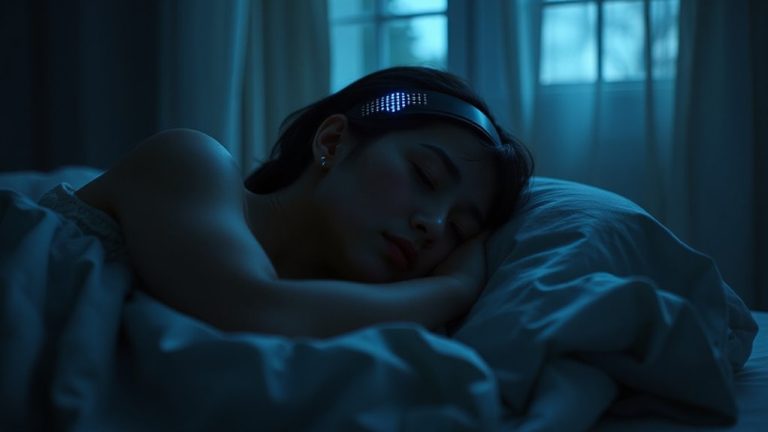
How could something as simple as a bouncy mattress undermine hours of training? For light-sleeping athletes, innerspring mattresses often fail due to poor motion isolation and heightened bounce sensitivity. That responsive, springy feel may seem supportive, but it transfers every shift and roll across the bed, disrupting deep sleep cycles. Your body needs stable, uninterrupted rest to repair muscle tissue and replenish energy stores-features undermined by excessive movement. Traditional innersprings rely on connected coils, which amplify motion instead of containing it. Even minor partner movements or position changes become disturbances. If you’re sensitive to nighttime motion, that bounce isn’t helping-it’s hindering recovery. Memory foam or hybrid designs with better motion isolation offer a calmer sleep environment. For athletes, minimizing sleep disruption isn’t luxury; it’s a performance necessity. Prioritize stability over spring.
How Sleep Interruptions Undermine Athletic Performance
Even when you log eight hours in bed, frequent interruptions can leave your recovery flatlined-especially if you’re relying on a mattress that amplifies motion instead of absorbing it. Each time you’re jolted awake or shifted into lighter sleep stages, your body misses critical deep and REM cycles where tissue repair and memory consolidation occur. Without uninterrupted rest, muscle fatigue builds faster, slowing recovery and reducing training gains. You might feel sluggish during workouts, struggle to maintain intensity, or notice delayed soreness that lingers longer than it should. Equally important, poor sleep continuity erodes mental focus-hurting reaction times, decision-making, and overall discipline. For athletes who need precision and consistency, even small lapses in concentration can undermine performance. Studies show fragmented sleep impairs glucose metabolism and hormone regulation, both essential for recovery. If your mattress transfers every shift and bounce, you’re not just losing sleep-you’re sabotaging your body’s ability to adapt, strengthen, and stay sharp when it matters most. A cost-effective solution for minimizing motion transfer and supporting spinal alignment is choosing a best mattress for back pain on a budget.
Best Mattress Features for Light-Sleeping Athletes
While you might prioritize durability and support, a truly effective mattress for light-sleeping athletes does more than cradle your frame-it actively minimizes disruptions that compromise recovery. Motion isolation is essential; it prevents your partner’s movements from jolting you awake, a common issue with bouncy innerspring models. You need a mattress that absorbs motion, like those with dense foam or pocketed coil layers, so your REM cycles stay undisturbed. Pressure relief is equally critical-targeted cushioning at shoulders, hips, and joints reduces tossing and turning, promoting deeper rest. High-density memory foam or latex layers excel here, contouring precisely without trapping heat. Look for balanced firmness: supportive enough for spinal alignment, yet soft enough to alleviate strain. Together, motion isolation and pressure relief create a stable sleep environment tailored to recovery, ensuring your body regenerates efficiently night after night. Side and stomach sleepers with back pain often benefit most from mattresses that combine balanced support and pressure relief, such as models with zoned support or adaptive foam layers, making best mattresses for side and stomach sleepers a key consideration for optimal spinal alignment and comfort.
Best Mattress Alternatives for Light-Sleeping Athletes
Why settle for a traditional innerspring when your sleep quality directly impacts recovery and performance? You need stability and minimal motion transfer-both of which memory foam delivers. This material contours to your body, reducing pressure points that can hinder muscle recovery. Unlike bouncy coils, memory foam absorbs movement, so you’re less likely to wake from a partner’s shifts or your own repositioning. For light sleepers, that’s a game-changer. But don’t overlook temperature regulation-some memory foam models trap heat, which disrupts deep sleep cycles. Look for open-cell or gel-infused versions that promote airflow and keep your core cool through the night. Brands combining adaptive support with breathable design offer the best balance. These mattresses support your body consistently, helping you wake rested and ready. When recovery matters, choosing a mattress with advanced memory foam and effective temperature regulation isn’t just smart-it’s essential. Several best affordable mattresses also provide excellent support for back pain, making them a practical choice for athletes on a budget.
What to Prioritize in a Recovery Mattress
When choosing a mattress that supports athletic recovery, you’ve got to focus on more than just comfort-you need materials and construction that actively aid muscle repair and sleep continuity. You’ll want deep pressure relief to minimize strain on joints and sore muscles, especially after intense training. Foam and hybrid models typically deliver better pressure relief than innersprings, contouring closely to your body. Equally important is motion isolation-this keeps your sleep undisturbed if a partner moves, which light-sleeping athletes are especially sensitive to. High-density memory foam and pocketed coils excel here, absorbing movement instead of transferring it. Look for mattresses with viscoelastic layers or advanced latex blends, as they balance responsiveness and recovery support. Avoid overly bouncy surfaces; they disrupt sleep cycles. Prioritizing these features helps maintain consistent rest, which is essential for performance gains. A well-designed recovery mattress isn’t a luxury-it’s a strategic tool for long-term fitness success.
On a final note
You need stable, uninterrupted sleep for peak recovery, and innerspring mattresses often fail light-sleeping athletes. Their bounce amplifies motion transfer, disrupting deep sleep cycles essential for muscle repair. While durable, traditional coils lack the pressure relief and isolation of modern foams or hybrids. Prioritize motion absorption, firm yet supportive contouring, and thermal regulation. A well-designed latex or memory foam model gives you the quiet, conforming surface that supports athletic recovery without compromise.