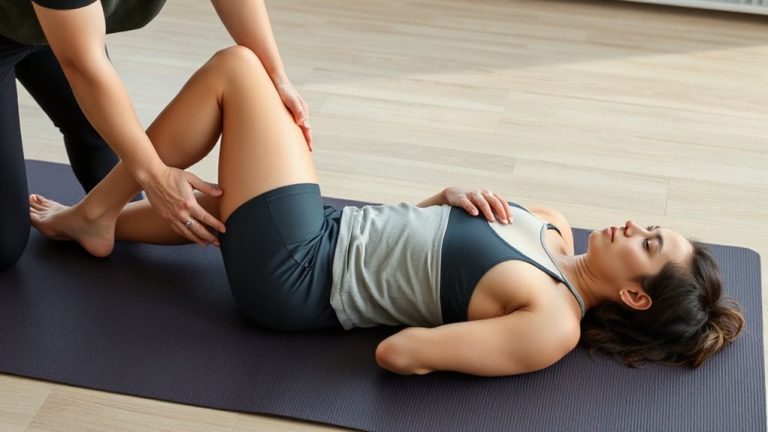
Arm-Powered Mini-Ellipticals for Upper Limb Recovery After Cardiac Events
Arm-powered mini-ellipticals help you rebuild strength and circulation safely after a cardiac event, using smooth, low-impact motion that won’t overtax your heart. They offer adjustable resistance and seated operation, letting you control intensity while protecting healing tissues. Ideal for home use, these compact units support consistent upper-body conditioning with minimal joint strain. You’ll boost endurance, improve vascular function, and track steady progress-discover how to optimize your recovery with the right model and routine.
Notable Insights
- Arm-powered mini-ellipticals safely enhance upper limb circulation without overloading the recovering heart.
- They offer adjustable resistance and smooth motion to match cardiac recovery stages and prevent strain.
- Seated use provides stability, reducing fall risk and supporting controlled heart rate elevation.
- Regular use improves endurance, joint mobility, and vascular function critical after heart events.
- Look for ergonomic grips, compact design, and durable construction to ensure safety and accessibility.
Why Arm Exercise Helps After a Heart Event
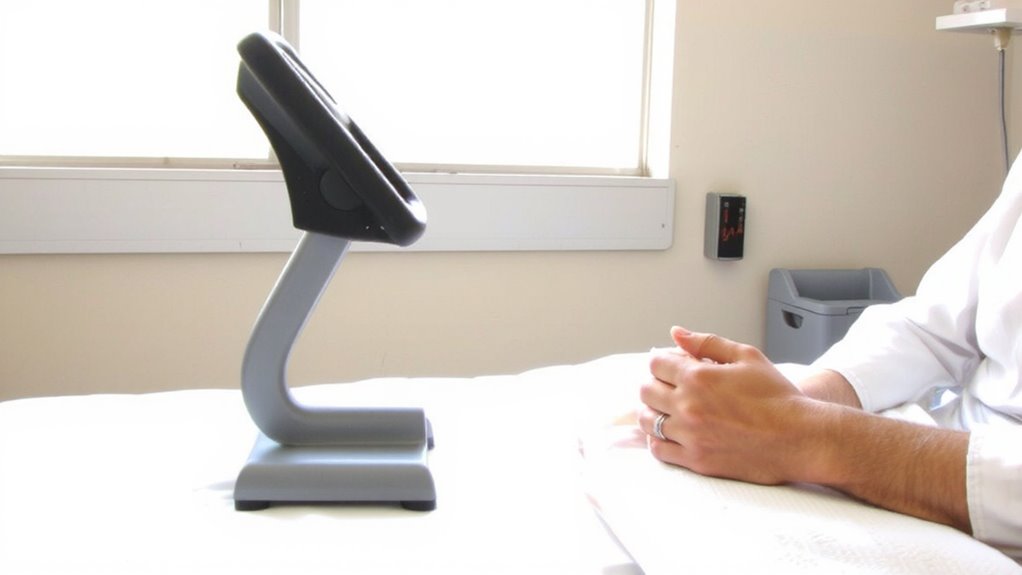
Why has arm-focused exercise gained traction in cardiac rehab programs? Because it offers improved circulation and enhanced endurance without overloading your recovering heart. When you use your upper limbs for aerobic training, you activate a significant muscle mass, stimulating blood flow and cardiovascular adaptation. Research shows arm exercise elevates heart rate efficiently, making it a valuable complement to traditional lower-body workouts. You benefit from increased oxygen delivery and better vascular function, both critical after a cardiac event. Though arm workouts may feel more strenuous initially, consistent use leads to measurable gains in stamina and functional capacity. Equipment like arm-powered mini-ellipticals delivers smooth, low-impact motion, suiting early-stage recovery. These compact devices fit easily into home routines, encouraging adherence. While not replacing full rehabilitation protocols, they enhance accessibility and variety. Incorporating upper-body training smartly supports holistic recovery-helping you rebuild strength, confidence, and cardiovascular resilience safely.
How Arm Ellipticals Aid Recovery Safely
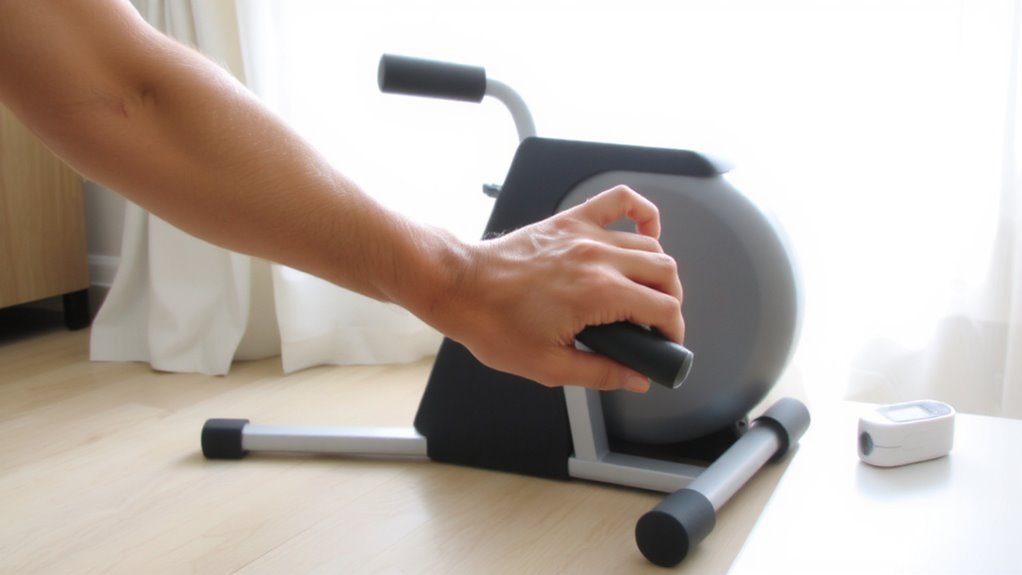
While your heart heals, using an arm-powered mini-elliptical offers a controlled way to build endurance without excessive strain. You maintain proper form while gently improving joint mobility, which supports circulation and reduces stiffness. The smooth, rhythmic motion mimics natural arm movement, minimizing impact while enhancing coordination and muscle engagement. Unlike intense resistance training, this low-intensity exercise promotes consistent effort, helping your cardiovascular system adapt safely.
| Benefit | Impact | Reason |
|---|---|---|
| Controlled resistance | Moderate | Adjustable tension prevents overexertion |
| Seated positioning | High | Reduces fall risk and stabilizes heart rate |
| Repetitive motion | High | Enhances joint mobility gradually |
| Upper-body focus | Moderate | Spares lower limbs while aiding circulation |
| Proper form support | High | Encourages upright posture and shoulder alignment |
Regular use supports functional recovery when performed mindfully.
What to Look for in a Heart-Safe Mini-Elliptical
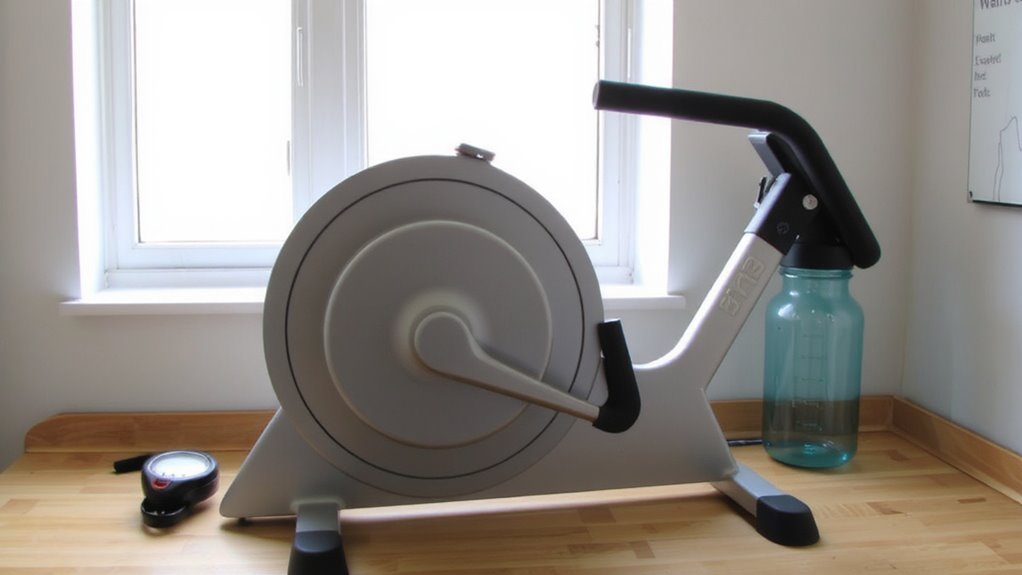
A well-designed mini-elliptical can make all the difference when you’re rebuilding strength with a sensitive heart. Look for adjustable resistance-it lets you control intensity safely, matching your recovery pace without overexertion. Models with smooth, fluid motion reduce joint strain and keep your workout consistent. A compact design is essential, especially if space is tight; these units should fit easily beside a chair or bed for seated use. Check the build quality-durable materials and stable construction prevent wobbling during use. Noise levels matter too; quieter operation means less distraction and stress. Make sure the handgrips are ergonomic and non-slip, promoting proper form. Always confirm the device is rated for low-impact rehabilitation use. Don’t overlook ease of assembly and maintenance-fewer parts mean fewer breakdowns. Choosing wisely now supports safer, more effective recovery.
First Workouts After Heart Surgery
You’ve picked a heart-safe mini-elliptical with smooth resistance and sturdy build, set it up near your favorite chair, and now you’re ready to move-but knowing how to start after heart surgery matters just as much as the equipment itself. Begin with just 5–10 minutes of gentle motion, focusing on controlled breathing techniques to avoid strain and promote circulation. Sync each arm movement with slow inhales and exhales, preventing spikes in blood pressure. Keep resistance low; this isn’t about intensity but re-establishing neuromuscular coordination safely. Be mindful of wound care-avoid shoulder extension that pulls at incision sites, and sanitize handles before and after use to reduce infection risk. Monitor for dizziness or chest discomfort, and stop immediately if they occur. These early sessions support cardiovascular conditioning and upper limb mobility without overexertion, making the mini-elliptical a practical, low-impact tool in the critical recovery window.
Make Mini-Elliptical Use a Daily Habit
Often, consistent progress in upper limb recovery comes not from intense sessions but from regular, manageable effort-and that’s where making mini-elliptical use a daily habit truly pays off. You don’t need long workouts; even 10–15 minutes daily can improve circulation, joint mobility, and muscle tone. To stay on track, use habit stacking: pair your session with a daily cue, like post-morning coffee or pre-dinner news. This simple link boosts adherence. Pair this with consistency tracking-logging each session-to build momentum and visibility into your routine.
| Habit Cue | Mini-Elliptical Time |
|---|---|
| Morning coffee | 8:00 AM |
| After lunch rest | 1:30 PM |
| Evening TV show | 7:00 PM |
These strategies transform sporadic effort into reliable recovery practice, enhancing outcomes over time.
Track Progress With Your Arm Cycling Routine
Building on the consistency you’ve established with daily mini-elliptical sessions, tracking your progress turns routine movement into measurable recovery. Progress tracking isn’t just motivational-it’s essential for evaluating gains in endurance, range of motion, and cardiovascular efficiency. Use built-in counters or smartphone apps to log stroke count, resistance level, and session duration. Over time, you’ll notice subtle improvements, like reduced fatigue or smoother motion, which signal healing. Maintaining workout consistency guarantees data accuracy and supports long-term adaptation. Most mini-ellipticals offer basic performance metrics, but higher-end models include Bluetooth syncing and guided recovery programs, enhancing tracking precision. Don’t rely solely on numbers-pair objective data with how you feel. This dual approach gives a fuller picture of recovery. Consistent monitoring empowers you to adjust intensity safely and recognize setbacks early. With reliable progress tracking, your arm cycling routine becomes more than exercise-it’s a documented journey toward renewed strength and independence.
On a final note
You’ll find arm-powered mini-ellipticals effective for rebuilding upper limb strength safely post-cardiac event. These compact units offer low-impact aerobic training, improving circulation without straining your heart. Look for smooth resistance controls and sturdy build quality. Used consistently, they support functional recovery and help maintain fitness. With proper form and gradual progression, you’ll see measurable gains, making them a smart, practical addition to cardiac rehab routines.