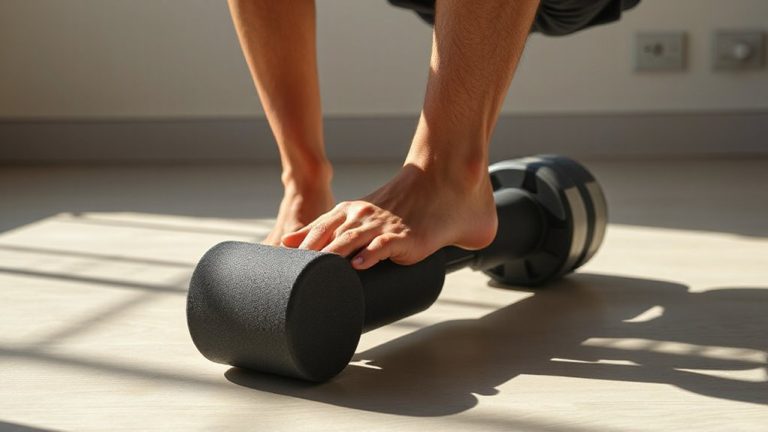
Using Progressive Muscle Relaxation to Quiet Nervous System Hyperactivity Post-Competition
You can quiet your nervous system’s post-competition hyperactivity with progressive muscle relaxation (PMR) by tensing key muscle groups-like calves, shoulders, and hands-at 70% effort for 5 seconds, then releasing, while syncing breath: inhale during tension, exhale fully during relaxation. This deliberate contrast retrains your autonomic response, lowering cortisol and heart rate more effectively than passive recovery. For real results, commit to 15–20 minutes, avoiding breath-holding or skipped zones. There’s a precise way to time and structure each session for lasting calm.
Notable Insights
- PMR calms post-competition nervous system hyperactivity by shifting from fight-or-flight to rest-and-digest via controlled muscle tension and release.
- Synchronizing slow breathing with PMR enhances parasympathetic activation, aiding faster neurological recovery after intense physical exertion.
- Focusing on major muscle groups bilaterally improves neural recognition of relaxation and corrects post-competition muscular imbalances.
- Performing PMR immediately post-event capitalizes on heightened nervous system activity for more effective downregulation.
- Sessions should last 15–20 minutes with proper breath coordination to sufficiently reduce cortisol, heart rate, and residual tension.
Why PMR Calms Post-Competition Stress
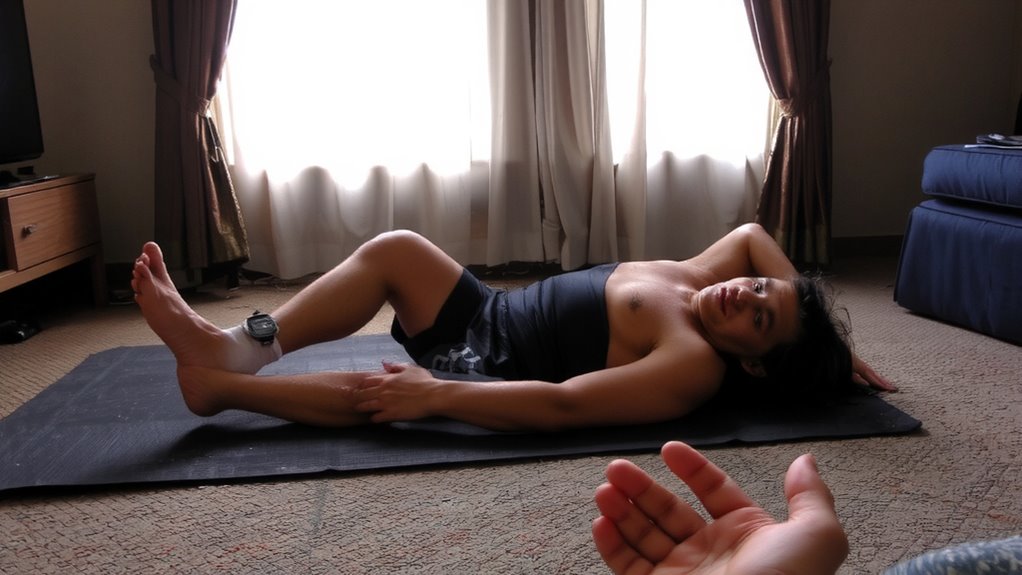
While your body may have crossed the finish line, your nervous system is still in overdrive, and that’s where progressive muscle relaxation (PMR) steps in as a proven method to dial down post-competition stress. You’re not just calming muscles-you’re retraining your autonomic response. PMR works because it pairs muscle tension with deliberate release, giving your nervous system a clear signal to shift from fight-or-flight to rest-and-digest. Breathing synchronization enhances this effect, anchoring each contraction and relaxation cycle to slow, rhythmic breaths. When combined with mental imagery-visualizing calm, controlled environments or successful performance outcomes-PMR amplifies recovery by engaging both body and mind. It’s more than recovery gear; it’s neurologic tuning. Unlike passive recovery tools, PMR actively improves self-regulation, making it a high-value, low-cost strategy. Research supports its effectiveness in reducing cortisol and improving sleep quality post-exertion. You’re not just recovering-you’re reprogramming.
How to Do PMR Step-by-Step for Athletes
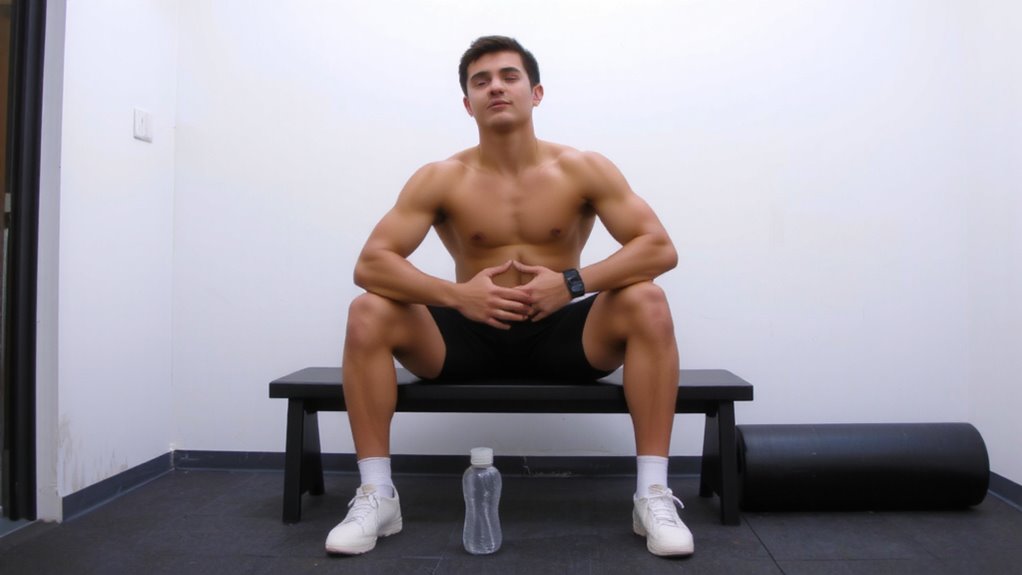
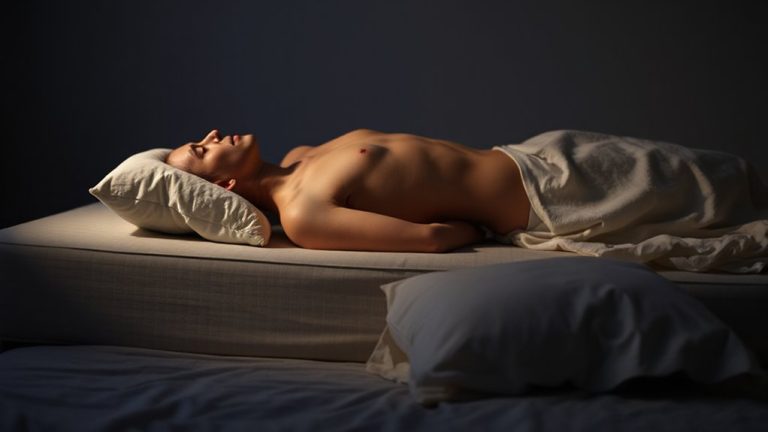
Because your body needs active recovery after intense performance, progressive muscle relaxation (PMR) offers a structured way to regain control-starting with proper setup and intention. Find a quiet space, sit or lie down, and begin with slow breathing coordination-inhale deeply through your nose, exhale fully. Use visualization techniques to envision tension leaving each muscle. Follow this sequence:
| Muscle Group | Action |
|---|---|
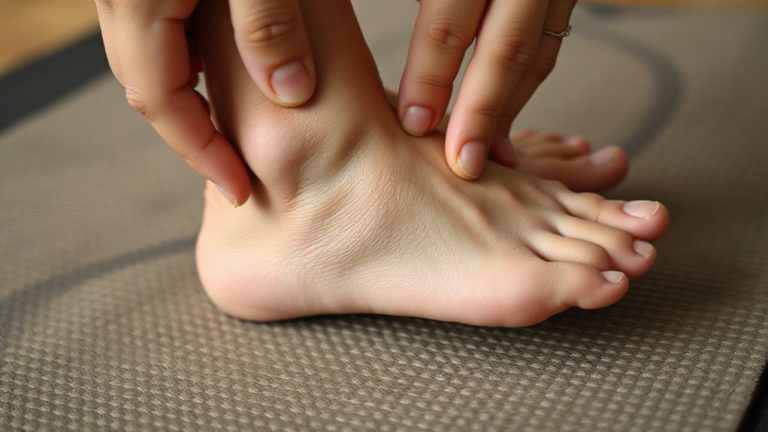
| Feet | Tense for 5 seconds, release |
| Calves | Tense for 5 seconds, release |
| Shoulders | Tense for 5 seconds, release |
| Hands | Tense for 5 seconds, release |
Focus on the contrast between tension and relaxation. Pair each release with a slow breath out, enhancing nervous system regulation. This method beats passive rest-it actively resets your physiology. Effective PMR doesn’t need gear; just time and consistency.
Key Muscle Groups in Progressive Muscle Relaxation
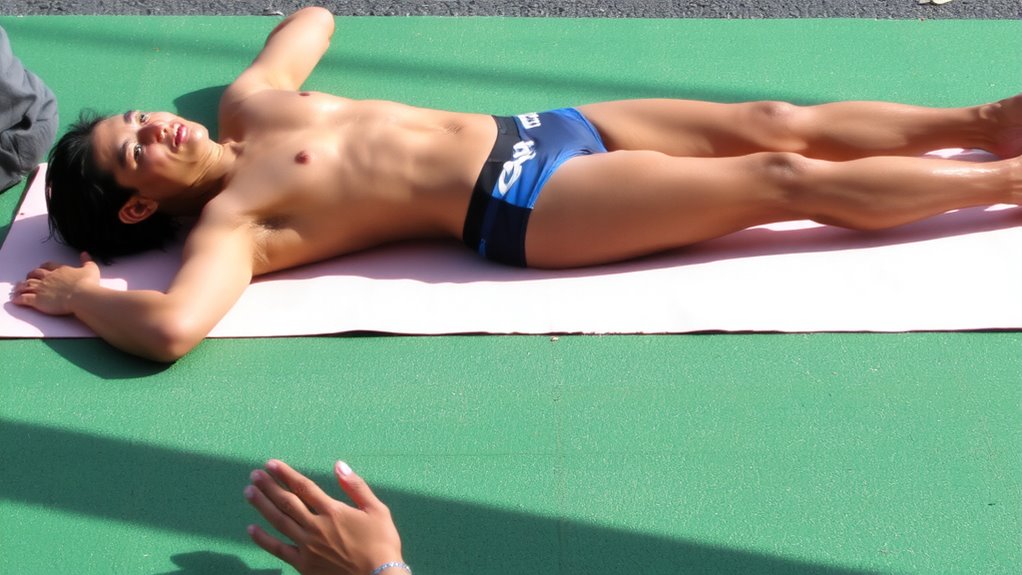
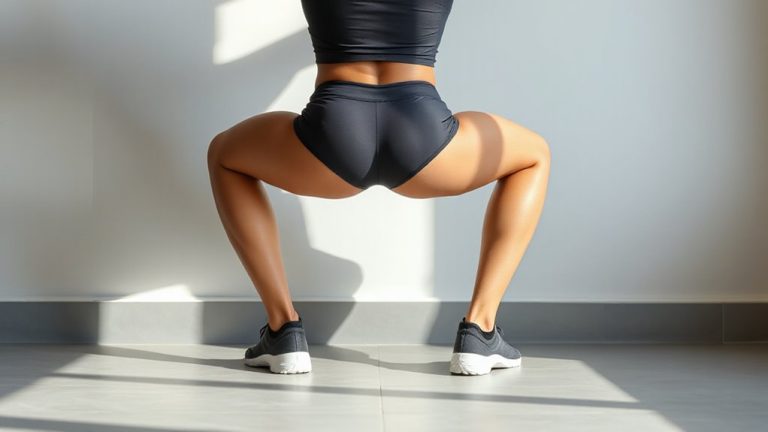
You’ve already learned how to set up and move through a basic PMR sequence, but knowing which muscle groups matter most can sharpen your recovery routine. Focus on large, commonly tensed areas: feet, calves, thighs, glutes, abdomen, hands, forearms, biceps, shoulders, neck, and face. These groups offer the strongest neural feedback, helping your brain recognize tension release. Balancing tension and relaxation across bilateral muscles enhances muscle symmetry, reducing post-competition imbalances from asymmetric exertion. For athletes, targeting lower limbs is essential after running or jumping events, while upper body emphasis aids swimmers or throwers. Proper sequencing guarantees no area is overlooked, improving systemic relaxation. The quality of neural feedback improves when you contract muscles deliberately-about 70% effort-then fully release. This contrast trains your nervous system to distinguish between tension and rest, making recovery more effective. Consistent attention to key groups optimizes PMR’s restorative impact.
When to Use PMR for Best Results
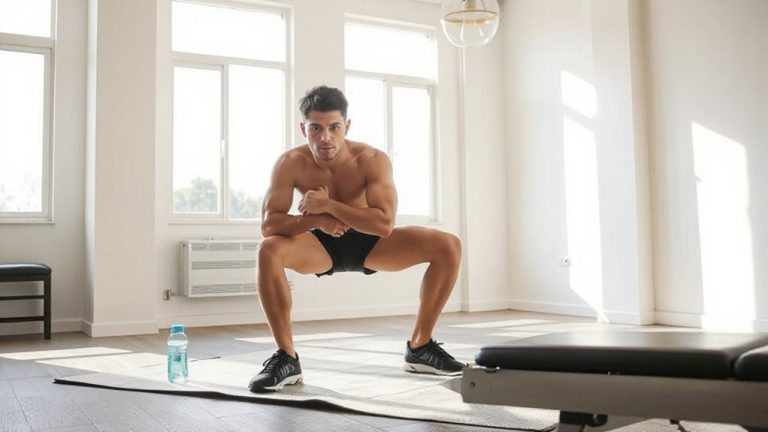
When should you actually use PMR to get the most out of your recovery? Right after competition, when your nervous system is still in high gear, is one of the best times to apply PMR. You’ll want to watch for key timing cues-like increased heart rate, muscle tension, or mental restlessness-as signals to begin. Early use helps shift your body from fight-or-flight to rest-and-digest mode more efficiently. Integrating PMR into evening routines also amplifies its effect, especially if competition disrupted your sleep cycle. Doing PMR 30 to 60 minutes before bed supports deeper recovery by lowering cortisol and calming neural activity. Unlike passive recovery tools or fitness gear that only address physical wear, PMR directly modulates nervous system output. For consistent results, treat it like a recovery protocol-timed, intentional, and non-negotiable. Pairing PMR with tools such as a muscle relaxation device can enhance physical release and improve overall recovery quality.
PMR Mistakes That Slow Recovery
Timing your PMR sessions right after competition or before bed sets a strong foundation, but even well-placed practice can fall short if common errors go unaddressed. Improper breathing-like holding your breath or panting through tension-undermines relaxation by keeping your nervous system activated instead of quieting it. You’re meant to inhale during muscle contraction and exhale during release, syncing breath with movement to enhance parasympathetic response. Skipping this step reduces PMR’s effectiveness. Inconsistent timing also hampers progress; if you rush through muscle groups or skip sessions, your body doesn’t learn the rhythm of release. This inconsistency delays recovery, especially post-competition when your system needs structured downregulation. Even with quality fitness gear designed to support recovery-like compression wear or foam rollers-poor technique neutralizes benefits. For PMR to work, precision in execution matters just as much as the tools you use.
How Long to Practice for Full Recovery
Though recovery times vary by individual and sport intensity, most athletes benefit from practicing progressive muscle relaxation (PMR) for 15 to 20 minutes post-competition to achieve full physiological downregulation. This is the ideal duration to markedly reduce cortisol levels, lower heart rate, and quiet an overactive sympathetic nervous system. You’ll find that consistency in recovery timing enhances long-term nervous system resilience. While some recovery tools like compression gear offer passive benefits, PMR requires active engagement but delivers deeper neuromuscular reset. Shorter sessions, under 10 minutes, often don’t allow full descent into parasympathetic dominance. For best results, pair your PMR practice with a quiet environment and controlled breathing. Don’t rush it-your body needs that full window to shift from high-output stress to restorative mode. Over time, this 15- to 20-minute window becomes a reliable part of effective recovery protocol.
On a final note
You’ve pushed hard, and now your nervous system’s still revved-PMR helps dial it back. When done right, it reduces cortisol and eases muscle tension post-competition. Target key groups: quads, hamstrings, shoulders, jaw. Use it within 30 minutes of cooling down for best results. Avoid rushing or skipping breathwork-common mistakes that hinder recovery. With consistent 10- to 15-minute sessions, you’ll notice sharper recovery and better sleep. It’s not flashy gear, but proven, body-based science.