How Wearable Muscle Recovery Threshold Detectors Signal When to Delay Next Workout
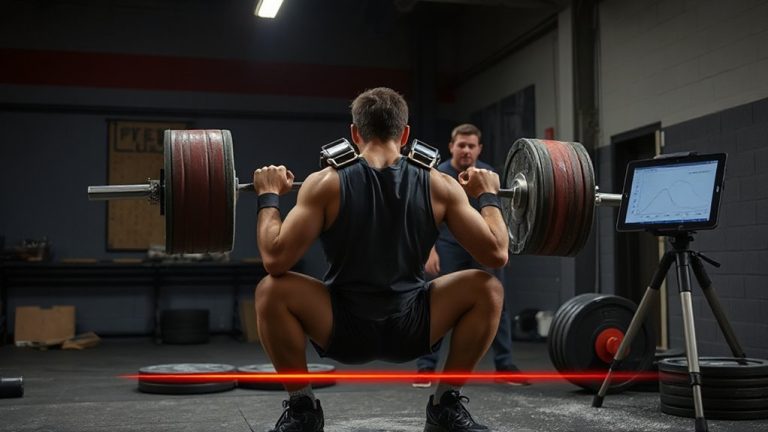
Your wearable tracks key recovery metrics like heart rate variability, muscle fatigue, and inflammation through sensors that monitor electrical activity and temperature. When it detects low HRV, high resting heart rate, or poor sleep quality, it signals you’re not fully recovered. These alerts help you delay workouts intelligently, reducing injury risk. Skipping a session based on data often leads to better long-term gains, and understanding how these thresholds work can transform your training strategy.
Notable Insights
- Wearables detect high muscle fatigue levels using EMG and biomarker tracking to signal delayed workouts.
- Low heart rate variability readings indicate poor recovery, prompting recommendations to rest.
- Elevated resting heart rate combined with low recovery scores suggests insufficient readiness for intense exercise.
- Poor sleep quality detected overnight correlates with reduced recovery and delayed workout advisories.
- Persistent low readiness scores warn of overtraining risk, advising workout postponement to prevent injury.
What Are Muscle Recovery Threshold Detectors?
While you might think recovery is just about rest, muscle recovery threshold detectors actually measure physiological signals to determine when your body is ready for the next intense workout. These devices monitor biomarkers tied to muscle fatigue and tissue inflammation, giving you data-driven insight into your recovery status. Instead of guessing how your muscles feel, they track changes in heart rate variability, skin temperature, and even subtle shifts in muscle electrical activity. That’s useful because prolonged muscle fatigue can impair performance, while unchecked tissue inflammation may increase injury risk. Though not perfect, these detectors offer a significant upgrade over subjective evaluation. For serious athletes or fitness enthusiasts, they add objectivity to recovery planning. They’re not just gadgets-they’re tools for optimizing training loads and minimizing downtime. With consistent use, you can spot recovery patterns and adjust workouts accordingly, making them a practical addition to modern fitness routines.
How Do Recovery Wearables Track Your Readiness?
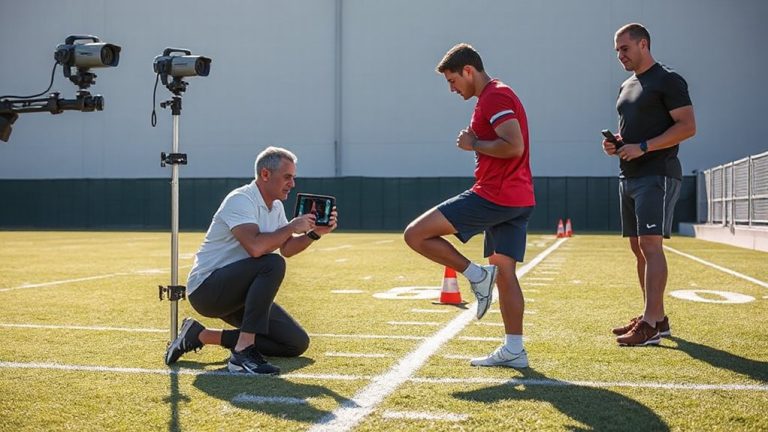
Recovery wearables track your readiness by gathering real-time physiological data through embedded sensors that monitor key indicators like heart rate variability (HRV), muscle electromyography (EMG), and skin temperature. These devices detect subtle shifts in your body’s state, helping assess accumulated biomechanical stress and ongoing neuromuscular fatigue. When your muscles are under prolonged strain, EMG readings show altered electrical activity, while lowered HRV often signals incomplete recovery. The wearables compile this data using smart algorithms that interpret patterns over time, offering a daily readiness score. Though not perfect, they’re far more precise than guesswork. Most units are comfortable for all-day wear and sync seamlessly with fitness apps. Their real value lies in personalization-tracking how your body uniquely responds to training loads. For serious athletes and casual lifters alike, they shine as early-warning systems, transforming subjective feelings into actionable insights.
When Should You Skip a Workout Based on Your Wearable?
How do you know when pushing through a tough workout might do more harm than good? Your wearable can tell you. When muscle fatigue scores remain high, it means your body hasn’t fully recovered, and exercising could compromise form and increase strain. Most recovery detectors analyze heart rate variability, sleep quality, and movement patterns to assess readiness. If your device consistently shows low recovery ratings-especially with elevated resting heart rate or poor sleep-it’s signaling you should skip a workout. Prioritizing injury prevention isn’t lazy; it’s smart training. Ignoring these alerts raises the risk of overuse injuries and setbacks. While motivation matters, so does data. Trusting your wearable helps balance effort and rest, ensuring long-term progress. Skipping one session based on solid physiological feedback often leads to better performance later. Let recovery guide your rhythm.
How Can You Use Recovery Alerts to Optimize Training?
What if your training plan could adapt to your body’s actual condition, not just the calendar? With recovery alerts, you can adjust rest cycles and training frequency based on real-time muscle data. Instead of sticking to rigid schedules, you’ll know precisely when your muscles are ready-letting you train harder or back off as needed. This responsiveness reduces injury risk and improves long-term gains. If your wearable signals incomplete recovery, extending rest cycles by a day can boost performance in the next session. On the flip side, an early recovery alert might let you increase training frequency safely. These devices don’t replace judgment, but they add precision to your decisions. Over time, aligning workouts with recovery status helps you avoid plateaus and overtraining. It’s not about working out more-it’s about working out smarter.
What Features Make a Recovery Wearable Worth Buying?
You’ve seen how recovery alerts can reshape your training rhythm by syncing workouts with your body’s real-time readiness, but not all wearables deliver those insights with equal reliability. What makes one worth buying? First, accurate sensors that track HRV, muscle oxygenation, and movement patterns are essential-without them, data’s just noise. Battery life matters too; you don’t want to recharge every 48 hours and risk missing recovery windows. Devices lasting five days or more keep you consistent. App integration is another make-or-break feature. Your wearable should sync seamlessly with fitness apps like Strava or TrainingPeaks, letting you view recovery trends alongside workout logs. A clean dashboard helps spot patterns fast. Durability and skin-comfort during sleep also count. Choose one that’s proven in real-world testing, not just lab conditions. Skip the flashy-focus on function.
On a final note
You’re getting more from your training when you listen to recovery wearables-they detect muscle fatigue, heart rate variability, and readiness scores with solid accuracy. These devices help prevent overtraining by signaling when to delay workouts, backed by physiological data. While not flawless, top models offer reliable insights. Used wisely, they’re worth the investment, turning guesswork into strategy and supporting smarter, science-backed fitness progress over time.