Therapeutic Watsu-Inspired Movements for Chronic Back Pain Sufferers in Heated Pools
You’re supported in warm, chest-deep water while a practitioner guides you through gentle, flowing movements like rocking, spinal twists, and wave-like lifts that reduce compression and ease chronic back pain. Buoyancy lessens gravitational strain, allowing freer motion and deeper stretches without impact. Heat improves circulation and relaxes tight tissues, while synchronized breathing enhances neuromuscular control. These Watsu-inspired techniques offer effective, low-risk relief-especially when conventional methods fall short-helping you reclaim mobility and comfort in a soothing, weight-reduced environment where healing gains new momentum.
Notable Insights
- Watsu uses buoyancy in warm water to reduce spinal compression, enabling gentle, pain-free movement for chronic back pain sufferers.
- Therapist-guided rocking and flowing stretches synchronize with breath to enhance relaxation and improve neuromuscular control in heated pools.
- Supported spinal twists and oscillations decompress vertebrae and relieve nerve pressure with minimal effort in a weight-reduced environment.
- Warm water induces thermal relaxation, increasing blood flow to stiff tissues and accelerating the release of muscular tension.
- Cradling techniques and floating movements improve joint mobility and spinal alignment while calming overactive nerves contributing to chronic pain.
What Is Watsu and How Does It Relieve Back Pain?

Water, as both environment and ally, defines Watsu-a therapeutic practice blending gentle stretches, joint mobilization, and breathwork while you float in warm, chest-deep water. You’re supported, buoyant, and free to move in ways land-based therapy restricts. Breath synchronization is central-your inhalations and exhalations guide the rhythm of motion, enhancing relaxation and neuromuscular control. As your therapist cradles and turns you, gentle stretching unfolds your spine and soft tissues with minimal strain. These movements improve flexibility, reduce muscle guarding, and encourage spinal alignment. Unlike high-force interventions, Watsu works *with* your body’s signals, making it suitable for those with limited mobility or sensitivity. It doesn’t replace fitness recovery tools like foam rollers or compression gear, but complements them by addressing tension patterns in a weight-reduced space. Performance observations show improved range of motion and lowered pain perception after consistent sessions, positioning Watsu as a subtle yet effective modality in holistic back care.
Why Warm Water Eases Chronic Back Pain
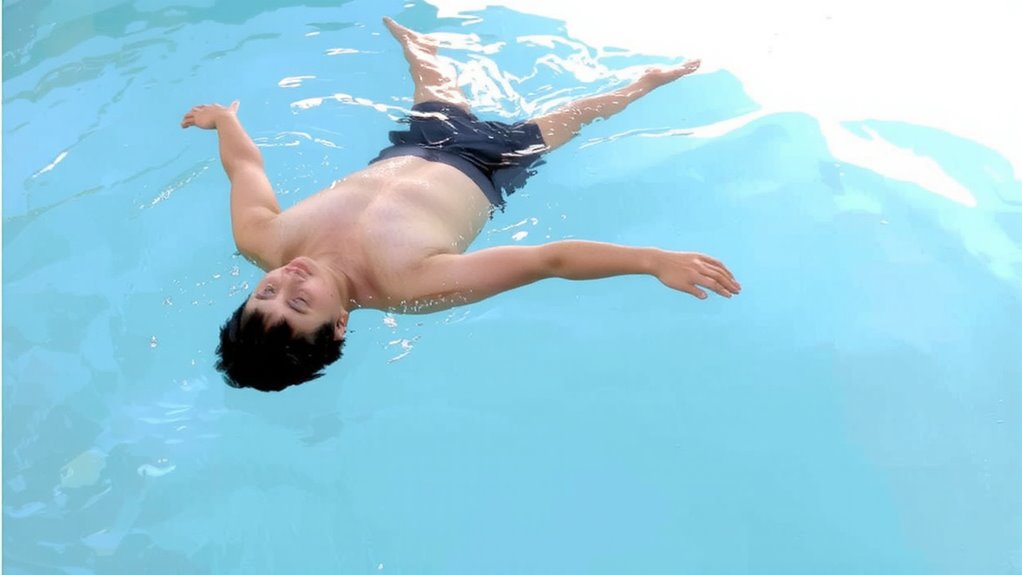
You’ve likely felt how tension softens when warmth meets sore muscles, but in Watsu, that effect isn’t just comforting-it’s therapeutic. The heated water triggers thermal relaxation, a physiological response where blood vessels dilate and circulation improves, helping flush out metabolic waste and deliver oxygen-rich blood to strained tissues. This warmth also calms overactive nerves contributing to chronic back pain. Paired with hydrostatic buoyancy, which uniformly supports your body, the water reduces strain without sacrificing movement. Together, these elements create an ideal environment for recovery, allowing muscles to release without triggering protective spasms. Unlike land-based therapies, warm water enables gentle, sustained stretches that maintain joint mobility and encourage neuromuscular re-education. You’re not just relaxing-you’re retraining your body. Thermal relaxation isn’t merely soothing; it’s a catalyst for healing. Hydrostatic buoyancy complements this by allowing pain-free motion, making every Watsu movement more effective, sustainable, and aligned with long-term back health.
How Water Takes Pressure Off Your Spine
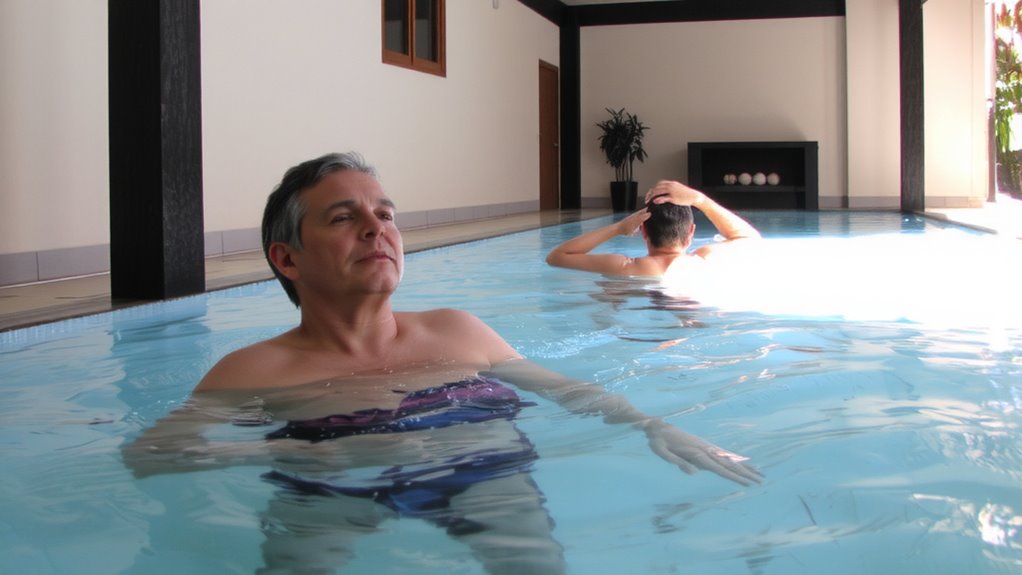
The buoyancy of warm water dramatically reduces spinal compression by counteracting the effects of gravity, allowing vertebrae to decompress and nerves to relieve pressure with minimal effort. You experience spinal buoyancy as the water supports your body, effectively reducing your weight load and freeing tense muscles. This environment enhances mobility without strain, making movement both safer and more effective. Hydrostatic support further stabilizes your spine, evenly distributing pressure and improving proprioception. Unlike land-based therapies, the water’s resistance aids control without jarring impact, ideal for chronic back pain recovery. Equipment like flotation belts or pool noodles can enhance spinal alignment, though they’re often unnecessary in skilled Watsu practice. The combination of buoyancy and hydrostatic support creates a unique therapeutic medium-gentle on joints, yet highly effective for retraining posture and movement. It’s not just soothing; it’s functionally restorative.
Key Watsu Movements for Spinal Relief
Gentle rocking, flowing stretches, and supported spinal twists form the core of Watsu’s most effective techniques for easing back pain. You’ll find that flow synchronization-matching your breath and movement with the therapist’s rhythm-deepens relaxation and enhances spinal mobility. Gentle stretching in warm water allows your muscles to release tension without strain, making it ideal for targeting stiff or sore areas. The buoyancy supports your body, letting movements feel fluid and natural, while water resistance adds subtle strength-building benefits. Techniques like oscillations and wave-like lifts help decompress vertebrae, promoting disc space and nerve relief. Practitioners use cradling holds to guide your spine through safe, controlled motions, minimizing risk. Unlike land-based stretches, Watsu’s aquatic environment reduces gravitational load, letting you move further with less discomfort. These movements aren’t just soothing-they’re purposeful, blending therapy and motion to restore spinal balance. You’ll likely notice improved flexibility and reduced pain after consistent sessions.
Who Can Benefit From Aquatic Therapy for Back Pain?
Anyone dealing with persistent back pain might find relief through aquatic therapy, especially when traditional methods haven’t delivered lasting results. You likely benefit if you’re recovering from injury, managing arthritis, or experiencing stiffness that limits daily movement. The warm water enhances joint mobility by gently loosening tight connective tissues, allowing safer, more effective motion. You’ll notice improved muscle relaxation as buoyancy supports your body weight, reducing spinal compression and easing tension. Even if you’ve tried stretching or dry-land exercises without success, the hydrostatic pressure in water helps decrease swelling and promotes circulation. Older adults, post-surgical patients, and those with chronic conditions often report greater comfort and functional gains. Unlike high-impact routines, aquatic therapy offers low-stress resistance, making it ideal for rebuilding strength without strain. For sustained back pain management, integrating pool-based care into your recovery plan can deliver measurable, lasting benefits.
What Happens in a Watsu Therapy Session?
How does a Watsu therapy session actually unfold? You’ll enter a warm, chest-deep pool where your practitioner gently supports your back and neck. From there, they guide you through flowing movements-rocking, turning, and floating-designed to ease spinal tension. Breath synchronization is central; you’re encouraged to match your inhales and exhales with the rhythm of the motions, which enhances relaxation and oxygen flow. This mindful breathing, combined with gentle stretching, helps release tight muscles and improve joint mobility, especially beneficial for chronic back pain. The water’s buoyancy reduces gravitational strain, allowing for deeper, pain-free stretches than on land. Most people report a noticeable decrease in muscle guarding and increased range of motion after just a few sessions. The therapy’s fluid, non-invasive nature makes it a practical recovery tool, particularly when land-based exercise aggravates symptoms.
How to Find a Certified Watsu Practitioner for Back Pain
Where can you turn when back pain limits your movement and traditional therapies haven’t delivered relief? A certified Watsu practitioner may offer the solution you need. These professionals meet strict training requirements, including hundreds of hours in aquatic therapy, anatomy, and hands-on practice, often certified through recognized bodies like the Watsu® Association. You’ll want someone skilled in session customization, adapting movements to your pain level, mobility, and goals. Start by checking online directories from reputable organizations, reading client reviews, and verifying credentials. Call potential practitioners to discuss their experience with back pain cases. A good match will assess your condition thoroughly and modify techniques in real time. Don’t settle for generic routines-your recovery depends on personalized care, and proper training guarantees they can deliver it safely in the heated pool environment.
On a final note
You’ll find Watsu’s blend of gentle stretches and warm-water buoyancy does ease spinal pressure, making it a smart recovery choice for chronic back pain. While not a cure-all, its low-impact nature suits sensitive spines better than land-based methods. Paired with quality recovery gear-like supportive pool floats or thermal wear-results often improve. Consistency matters, though. For lasting benefit, you’ll likely need regular sessions guided by a certified practitioner.