Using Technology to Monitor Recovery Metrics During Rehabilitation Phases
You’re already pushing your limits with fitness gear, but now wearables like smart insoles and IMU patches track your recovery with medical-grade precision. They monitor gait, heart rate, and muscle activation in real time, while mobile apps log steps, pain, and activity trends. AI analyzes this data to adapt your rehab plan daily, spotting plateaus or strain before injury strikes. Though privacy and EHR integration remain challenges, these tools offer clinicians objective metrics-turning daily movement into actionable insights. See how the latest advancements refine recovery beyond the gym.
Notable Insights
- Wearable sensors enable continuous monitoring of gait, heart rate, and muscle activity during rehabilitation.
- Mobile apps track daily movement metrics like steps, standing duration, and walking distance for progress analysis.
- Medical-grade devices ensure accurate, clinically validated measurements of vital and biomechanical recovery metrics.
- AI personalizes rehab programs by analyzing real-time data and adjusting exercises based on patient progress.
- Smart garments and IMU-based patches provide real-time feedback on joint angles, symmetry, and movement quality.
Why Recovery Tracking Improves Rehab Outcomes
While you might think recovery is just about rest after workouts, tracking it with technology actually plays a critical role in shaping better rehab outcomes. You’re not just healing physically-data from recovery tools helps clinicians assess your readiness, adjusting plans in real time. When you actively monitor sleep, heart rate variability, and fatigue levels, you boost patient engagement, making you a participant rather than a passive recipient. This sense of control often improves psychological readiness, reducing anxiety and increasing compliance. Devices like recovery wearables or apps don’t just collect metrics-they contextualize progress, showing you tangible evidence of improvement. That feedback loop strengthens motivation and adherence. Without tracking, setbacks can go unnoticed until they become serious. With it, adjustments happen early, keeping you on a smarter, safer path. Recovery isn’t passive; it’s a measurable, manageable phase essential to lasting rehabilitation success. Integrating tools such as massage wearables can further enhance recovery by targeting muscle tension and improving circulation.
Wearable Sensors for Real-Time Motion and Vital Monitoring
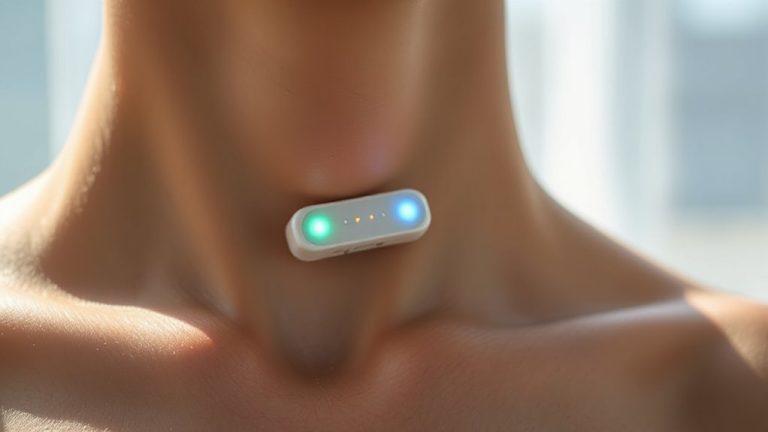
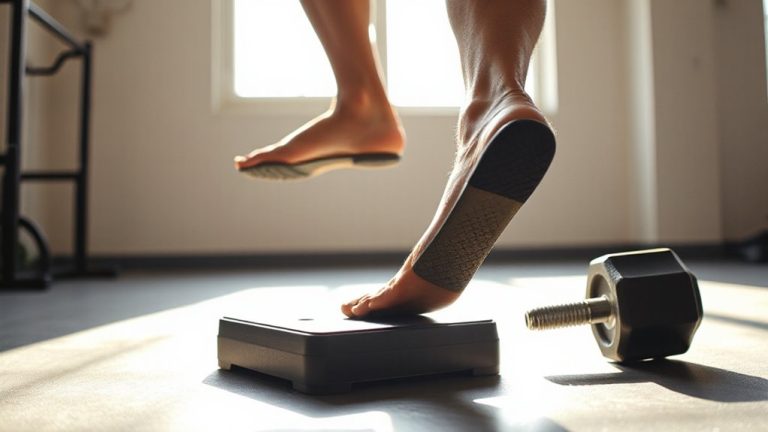
These wearable sensors give you real-time insight into both motion and critical signs, making them essential tools in modern rehabilitation. You can track motion analysis with precision, capturing gait, range of motion, and muscle activation as you perform daily or clinical exercises. Simultaneously, essential trends like heart rate, respiratory rate, and oxygen saturation are logged continuously, alerting clinicians to potential setbacks or progress. Devices such as smart insoles, IMU-based patches, and chest straps deliver reliable data without restricting movement. They’re designed for long-term wear, featuring skin-safe adhesives, water resistance, and multi-day battery life. While accuracy varies across brands, medical-grade sensors offer validated performance that strengthens clinical decisions. You benefit from immediate feedback and personalized adjustments, enhancing recovery safety and efficiency. When combined with proper guidance, these wearables don’t just monitor-they actively support smarter rehabilitation, helping you stay on track with data-driven confidence.
How Mobile Apps Capture Recovery From Daily Movement
You’re already seeing how wearable sensors feed real-time data on motion and essential functions, but the real power emerges when that information flows into mobile apps designed to interpret recovery through daily movement. These apps use step tracking to measure your progress, turning raw numbers into meaningful trends over time. Activity logging adds context-did you walk farther today? Climb stairs? How long did you stand? Together, they reveal patterns clinicians and users can’t easily spot otherwise. Most apps sync seamlessly with wearables, updating metrics automatically while letting you manually log exercises or symptoms. The best ones offer intuitive dashboards that highlight deviations from baseline activity, signaling potential setbacks or improvements. While not all apps are equally accurate, those built with clinical input provide reliable insight. You’re not just collecting data-you’re building a recovery story shaped by real-world function, one step and logged session at a time.
Key Metrics Clinicians Use in Digital Rehab Tracking
Although raw movement data from wearables offers a glimpse into your daily activity, clinicians rely on specific, validated metrics to assess recovery with precision. Gait analysis is one such key metric-you’re not just walking; your stride length, symmetry, and cadence reveal neuromuscular improvements or lingering deficits. Clinicians use this data to detect subtle abnormalities that might delay full function. Pain assessment is equally essential; you log subjective scores, but when paired with objective movement patterns, it creates a clearer recovery picture. Together, these metrics help identify plateaus or setbacks early. Unlike generic fitness trackers, medical-grade tools capture clinically meaningful changes, not just step counts. They’re designed for rehabilitation specificity, offering repeatable, standardized measurements. While consumer gear may motivate, it often lacks the accuracy required for therapeutic decisions. That’s why professionals prioritize validated digital biomarkers-they turn your progress into actionable insights, not just numbers.
How AI Customizes Rehab With Real-Time Progress Data
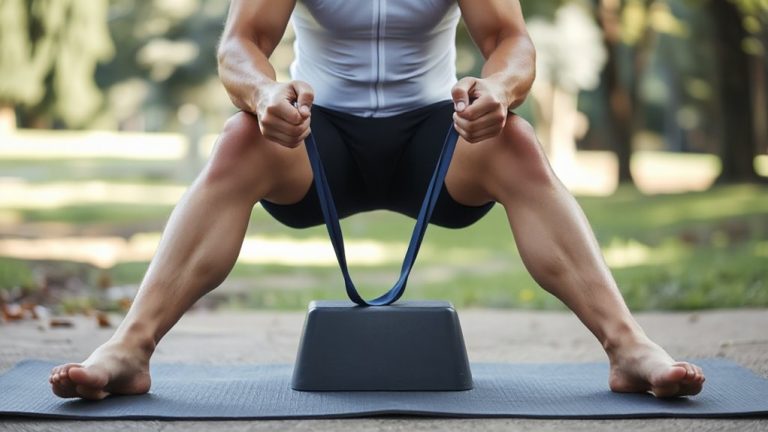
Progress isn’t one-size-fits-all, and now AI-driven rehab platforms are proving it. You’re getting real-time progress data that adjusts to your unique recovery curve, thanks to AI personalization. These systems analyze your movement patterns, pain levels, and workout consistency, then fine-tune your program daily. It’s not just tracking-it’s learning you. Adaptive feedback kicks in when you strain too early or plateau, suggesting modifications before injury occurs. Visualize resistance bands with embedded sensors syncing to an app that notices you’re favoring one side during exercises-then instantly recommends a balance drill. Clinicians use this data to stay ahead of setbacks, while you stay engaged with goals that evolve as you heal. The tech isn’t replacing therapists; it’s amplifying their reach. With AI in the loop, rehab becomes more precise, proactive, and personal-transforming recovery from guesswork into a guided, dynamic process you can trust.
Fixing Real-World Problems in Tech-Driven Recovery
Smart rehab tools are already reshaping recovery, but even the most advanced AI can’t fix everything on its own. You’re dealing with real-world hurdles like data privacy and system interoperability. If patient data isn’t encrypted and securely stored, breaches could undermine trust and compliance. It’s not just about having smart sensors-they need to talk to your clinic’s EHR without hiccups. Without solid system interoperability, data gets siloed, slowing down care coordination. You’ve seen apps that collect great metrics but fail to integrate with therapists’ dashboards. That’s a workflow killer. While the tech performs well in trials, scalability often exposes gaps in both privacy safeguards and cross-platform functionality. You need solutions that prioritize HIPAA-compliant design while allowing seamless data exchange across devices and providers. Until then, even the smartest tools will fall short in daily clinical use.
Next-Gen Tools for Smarter Recovery Tracking
What if your recovery could be tracked with the same precision as your workout? Now, next-gen tools make it possible. Wearable sensors and smart garments deliver real-time biomechanical feedback, showing exactly how your body moves and heals. You’re not just guessing-you’re seeing joint angles, muscle activation, and movement symmetry, all critical for safe progression. Virtual reality isn’t just for gaming anymore; it’s rehab. Clinicians use VR environments to assess balance and coordination while keeping you engaged. These systems adapt to your pace, offering personalized challenges that align with recovery goals. Compared to traditional methods, this tech reduces human error and boosts consistency. While high-end gear can be costly, the long-term benefits-faster return to function, fewer setbacks-justify the investment. Used wisely, these tools transform recovery into something measurable, dynamic, and intelligent. You’re not just healing. You’re optimizing.
On a final note
You’re seeing how tech sharpens rehab-not just tracking steps or heart rate, but capturing biomechanics and recovery trends with precision. Wearables and apps give clinicians real-time data, while AI tailors plans based on actual performance, not guesses. Still, accuracy depends on proper calibration and consistent use. When integrated well, these tools boost adherence and outcomes, making recovery more transparent and personalized. The future? Even smarter sensors and seamless clinic-patient sync, refining how progress is measured and achieved.