Myofascial Release Devices for Post-injury Rehabilitation Programs: Maximizing Muscle Pain Relief Using Self-myofascial Release Tools
You can speed up post-injury recovery by using myofascial release tools like high-density foam rollers and textured massage balls. These devices improve blood flow, break down adhesions, and reduce muscle tension, supporting faster tissue healing and pain relief. Consistent use enhances mobility, restores normal movement patterns, and prevents long-term stiffness. Pairing self-massage with stretching boosts flexibility and functional gains. Choosing durable, hygienic tools guarantees effective, safe therapy over time-your next step reveals how to optimize each session for stronger, more resilient muscles.
Notable Insights
- Myofascial release devices enhance post-injury recovery by improving blood flow and reducing fascial restrictions.
- Self-myofascial release reduces muscle pain by breaking down adhesions and modulating neural pain signals.
- Targeted pressure for 2–3 minutes per muscle group optimizes tissue mobility and accelerates healing.
- Tool selection should match injury severity, with denser tools for deep tissue and softer ones for sensitivity.
- Regular use before stretching or after activity supports long-term recovery, flexibility, and injury prevention.
How Myofascial Release Speeds Up Injury Recovery
While your body naturally repairs damaged tissue after an injury, incorporating myofascial release devices can significantly accelerate the healing process by improving blood flow and reducing fascial restrictions. You’ll find these tools enhance muscle regeneration by delivering oxygen and nutrients more efficiently to stressed areas. Consistent use supports fascial remodeling, helping realign collagen fibers and restore ideal tissue elasticity. Devices like foam rollers and massage balls target deep layers of connective tissue, breaking down adhesions that slow recovery. Their portability and ease of use make them practical for daily rehab routines. Though results vary by individual, clinical observations suggest a marked improvement in recovery speed when paired with proper nutrition and rest. Unlike passive treatments, self-myofascial release empowers active participation in healing. When selected carefully-considering density, texture, and body region-these tools offer measurable benefits in rehabilitation outcomes, making them a credible addition to recovery-focused fitness gear. For optimal results, choosing the right tool matters-exploring the best foam rollers can guide your selection based on firmness and surface design.
Reduce Pain With Science-Backed Self-Massage Benefits
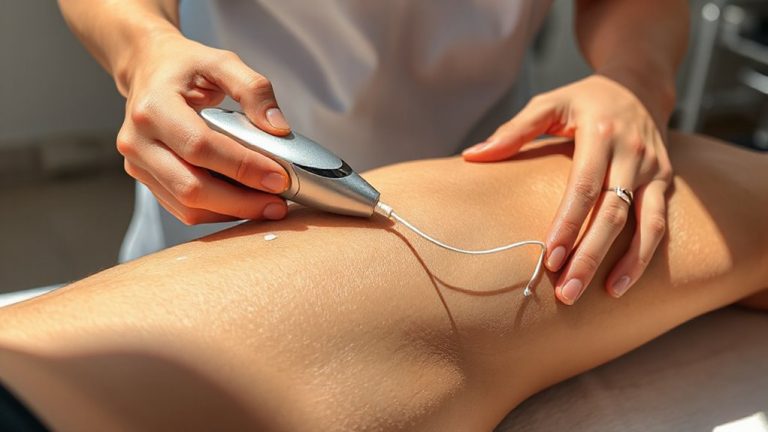
Pain relief isn’t just about masking discomfort-it’s about addressing the underlying tension and soft tissue dysfunction that slow your progress in recovery. Self-myofascial release gives you control, using targeted pressure to promote muscle knot breakdown and improve tissue mobility. When you apply consistent, focused force with your own body weight, you’re not just soothing soreness-you’re engaging in a form of trigger point therapy that research links to reduced pain sensitivity and improved range of motion. Studies show that just 2–3 minutes per muscle group can enhance blood flow and disrupt dense, restricted fascia. These science-backed benefits mean less stiffness and faster return to function. Unlike passive treatments, self-massage tools empower you to adjust pressure and technique in real time, making them practical for daily rehab. When used correctly, they deliver measurable results-making them a credible, cost-effective addition to fitness recovery routines. Among the most effective options are best recovery bands, which provide targeted compression and support during self-myofascial release sessions.
Choose the Best Myofascial Tools for Home Rehab
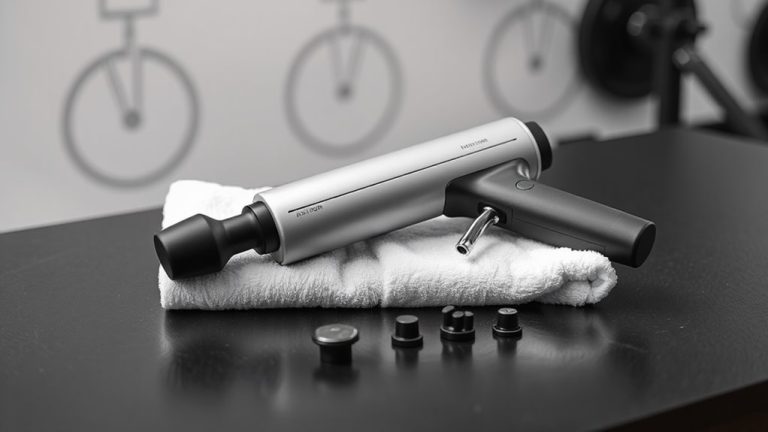
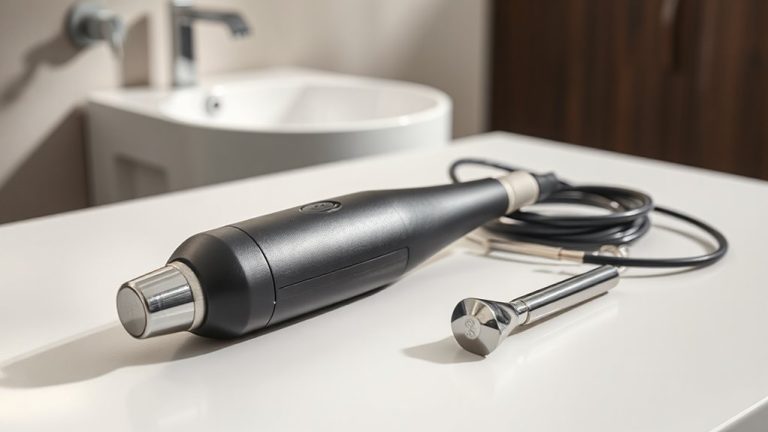
You’ve already seen how self-massage can ease pain and improve tissue function, so now it’s time to pick the right tools to make those benefits consistent at home. Tool selection matters-your choice should match your injury type, mobility level, and target muscles. Denser tools like solid foam rollers or textured balls offer deeper pressure, ideal for tight calves or glutes, while softer devices suit sensitive areas. Consider device durability: high-density EVA foam or medical-grade plastic lasts longer and withstands frequent use. Look for non-porous surfaces that resist bacteria and are easy to wipe clean. Though costlier, well-built tools save money over time. Avoid flimsy rollers that deform or crack within months. A compact, sturdy ball or handheld massager gives focused relief without clutter. Prioritize quality over gimmicks-features like variable textures should enhance, not replace, reliable construction. Smart tool selection paired with solid device durability keeps your rehab routine effective, safe, and sustainable. For targeted muscle treatment, consider a percussion massager with adjustable speed settings and interchangeable heads.
Use Foam Rollers for Targeted Muscle Relief
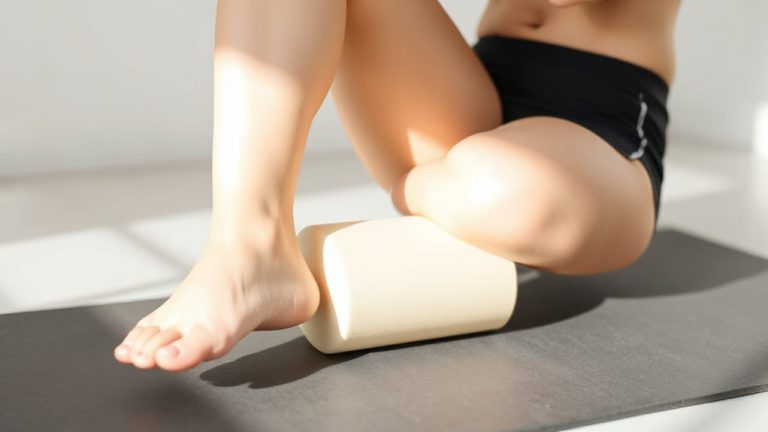
Since foam rollers deliver consistent pressure across large muscle groups, they’re a practical starting point for targeted relief during recovery. You’ll find they work well for releasing deep tissue tension, especially in the quads, hamstrings, and back. By slowly rolling, you can locate and linger on a trigger point-those tight, tender spots that often refer pain elsewhere. High-density foam models maintain shape over time, offering firmer support than softer versions. While they don’t isolate areas as precisely as balls or bars, their broad surface provides even feedback, making them ideal for beginners or daily maintenance. Use them before stretching to improve tissue mobility, or after activity to ease soreness. With consistent use, you’ll likely notice improved muscle function and reduced discomfort. They’re durable, easy to clean, and a solid addition to your recovery toolkit-just don’t expect intense spot treatment without supplemental tools.
Stay Safe: Avoid Common Myofascial Mistakes
While myofascial release can speed recovery, pressing too hard or moving too fast undermines its benefits and may worsen soreness. You’re better off using steady, moderate pressure to allow tissues to release gradually. Applying excessive force increases your risk of overuse injury, especially if you’re rolling daily without rest. Over time, aggressive sessions can irritate muscles rather than relieve them. Improper positioning also limits effectiveness-placing your body at the wrong angle reduces target accuracy and strains surrounding joints. Guarantee your spine and limbs are aligned correctly to maximize safety and results. Tools like foam rollers and massage balls work best when used with control, not speed. Listen to your body; sharp or radiating pain means you should stop. Staying mindful of technique guarantees long-term gains without setbacks.
Pair Foam Rolling With Stretching for Faster Healing
Why recover slowly when you can enhance your routine with a simple yet effective adjustment? Pairing foam rolling with stretching boosts blood flow and improves tissue quality, making it a smart choice for active recovery. Using myofascial release before dynamic mobility work prepares muscles for movement, reducing stiffness and increasing range of motion. This combo isn’t just soothing-it’s scientifically backed to speed healing by breaking down adhesions and encouraging muscle relaxation. Think of foam rolling as a warm-up for your stretch routine: it softens tight fascia so stretching can go deeper and more effectively.
| Phase | Tool Used | Benefit |
|---|---|---|
| 1 | Foam roller | Releases muscle tension |
| 2 | Lacrosse ball | Targets trigger points |
| 3 | Static stretch | Improves flexibility |
| 4 | Dynamic mobility drill | Enhances movement control |
| 5 | Light activity | Supports active recovery |
Build a 10-Minute Daily Routine to Recover Stronger
Just 10 minutes a day can transform your recovery-provided you use the right sequence and tools. Start with 2 minutes of foam rolling on major muscle groups, focusing on areas like calves, quads, and upper back to release fascial tension and improve blood flow. Then, spend 3 minutes on targeted stretches, pairing each with 30 seconds of deep breathing to reinforce your recovery mindset. Follow with 3 minutes using a massage ball on stubborn trigger points-this builds muscle memory for consistent self-care. Finish with 2 minutes of dynamic mobility work, like leg swings or arm circles, to integrate movement patterns. Perform this routine daily, ideally post-workout or before bed, to align with your body’s natural repair cycles. Consistency matters more than duration; this short regimen boosts flexibility, reduces soreness, and enhances neuromuscular function. Over time, your body learns-making recovery part of your fitness identity.
On a final note
You’ll recover faster and with less pain by adding self-myofascial release to your rehab routine. Tools like foam rollers and massage balls target tight fascia, improve blood flow, and boost flexibility-backed by research. Choosing the right device matters: firmer rollers offer deeper relief, while textured surfaces enhance muscle response. Used correctly, these tools are safe and effective. Pairing them with stretching maximizes gains. Consistency in a simple daily routine builds long-term resilience, making recovery smarter, not harder.