Using Floatation Therapy to Reduce Gravity-Induced Stress on Healing Joints
You’re immersed in warm, skin-temperature water saturated with over 800 lbs of medical-grade Epsom salt, effortlessly floating in neutral buoyancy. This near-total unloading reduces gravitational stress on healing joints, easing compression and inflammation while improving circulation. Magnesium absorption and sensory deprivation calm nerve activity and support tissue repair. Ideal post-injury or post-workout, it complements other recovery tools by offering unique anti-inflammatory and alignment benefits you won’t get from foam rollers or braces-discover how it fits into a full recovery strategy.
Notable Insights
- Floatation therapy eliminates gravitational pressure on joints, enabling pain-free buoyant suspension during healing.
- Epsom salt immersion reduces inflammation and supports joint lubrication through magnesium absorption.
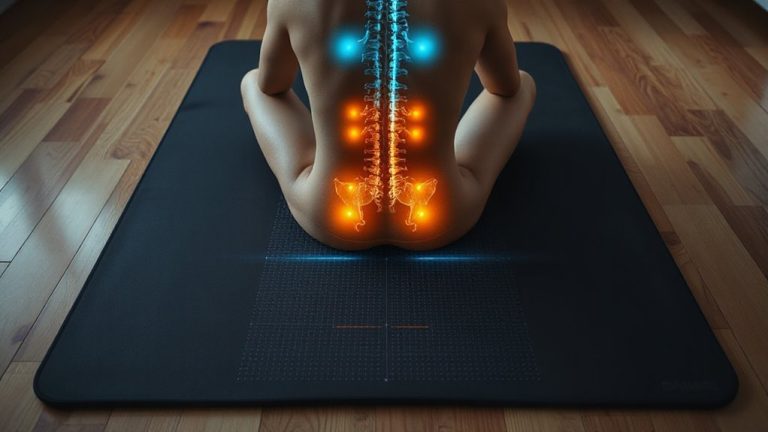
- Neutral buoyancy aligns the spine and decompresses joints, easing stress on injured or recovering tissues.
- Sensory deprivation calms the nervous system, reducing pain perception and muscle tension.
- Regular sessions promote circulation, accelerate tissue repair, and maintain joint resilience without mechanical load.
Can Float Therapy Relieve Joint Pain?
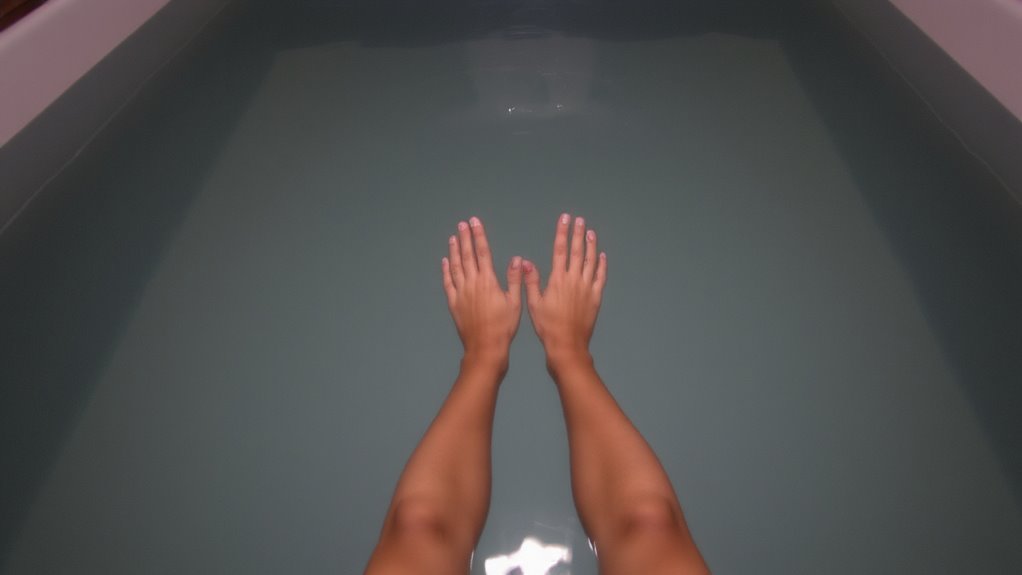
How would it feel to give your joints a break from the constant pull of gravity? Float therapy offers just that-immersing you in a dense, Epsom salt–laden solution that supports your body effortlessly. This environment activates natural pain relief mechanisms by reducing physical stress on inflamed areas. You’re not just relaxing; your body is responding. Studies suggest the magnesium-rich water promotes anti-inflammatory effects, which may decrease swelling and discomfort in arthritic or overused joints. Sensors in your nervous system slow their firing, dampening pain signals. For fitness recovery, this isn’t a luxury-it’s strategic. Unlike conventional recovery gear like foam rollers or compression boots, floatation addresses both physiological and neurological pathways. Users often report improved mobility after just a few sessions. While not a standalone cure, it complements other recovery methods effectively. Given its low risk and high reported benefit, float therapy stands as a credible, science-adjacent tool in joint pain management.
Why Less Gravity Helps Joints Heal

While gravity constantly compresses your joints during daily movement, removing that pressure-even briefly-can create ideal conditions for healing. In a float tank, buoyancy counteracts gravitational pull, promoting better joint alignment and reducing strain on inflamed tissues. This environment supports nerve decompression, relieving irritation caused by compressed spinal pathways. With muscles relaxed and weight fully supported, healing can occur without constant mechanical stress.
| Benefit | Mechanism | Recovery Impact |
|---|---|---|
| Reduced Compression | Neutral buoyancy | Less joint pain |
| Improved Alignment | Spine in natural position | Enhanced joint alignment |
| Nerve Decompression | Relief from pinched nerves | Decreased radiating pain |
| Muscle Relaxation | Magnesium-rich Epsom soak | Faster tissue repair |
Float therapy isn’t just rest-it’s active recovery with measurable physiological benefits.
Who Should Try Float Therapy for Joint Recovery?

Who hasn’t struggled with aching joints after intense training or prolonged inflammation? If you’re an athlete pushing recovery limits or someone managing chronic joint issues, float therapy could be a smart addition to your fitness recovery routine. It’s especially helpful when standard gear like braces or foam rollers only go so far. By removing gravitational pressure, the therapy supports joint decompression, potentially speeding healing. You’ll likely notice improved mental clarity and emotional balance-key benefits when pain clouds focus and mood. These effects make float therapy valuable not just physically, but cognitively and emotionally. It’s ideal for those seeking science-backed recovery tools that complement active lifestyles. While not a standalone fix, it integrates well with proper training, nutrition, and recovery strategies. If you’re serious about joint health and overall wellness, trying float therapy might be a reasonable next step in optimizing your recovery protocol.
What Happens in a Float Session?
Your float session begins in a private, tranquil room housing a spacious tank filled with about 10 inches of water saturated with over 800 pounds of medical-grade Epsom salt. The high salt concentration guarantees effortless buoyancy, removing pressure from your joints. You’ll step in, lie back, and immediately feel the water-maintained at skin temperature-blurring the boundary between body and environment. Lights and sounds can be adjusted or turned off entirely, enhancing sensory deprivation. This deep quiet triggers profound mental relaxation, quieting the nervous system and reducing stress hormones. Many report a meditative state, where muscle tension fades and focus shifts inward. The design minimizes external stimuli, which helps the brain enter restorative modes faster than in typical relaxation settings. While fitness recovery gear like foam rollers or compression devices targets muscles mechanically, floatation engages the mind-body connection more holistically. It’s not just physical relief-it’s mental reset, grounded in physiology and increasingly validated by therapy centers.
How Regular Floating Speeds Joint Healing
Frequently, regular floatation therapy accelerates joint healing by combining buoyant suspension with deep physiological relaxation. You experience near-total unloading of joints, which reduces inflammation and mechanical stress. This relief creates ideal conditions for cellular regeneration, allowing damaged tissues to repair more efficiently. The high concentration of Epsom salt in the tank also supports muscle recovery and joint lubrication. Enhanced circulation follows each session, delivering oxygen and essential nutrients directly to injured areas while removing metabolic waste. Over time, consistent floating helps maintain this regenerative cycle, improving recovery speed and joint function. Unlike many fitness recovery tools-foam rollers or compression gear-that only address surface tension, floatation works systemically. It doesn’t just soothe symptoms; it promotes internal healing. For athletes or those rehabbing injuries, incorporating floating weekly can be a strategic advantage. It complements physical therapy and enhances long-term joint resilience without added strain.
On a final note
You’ll find float therapy can effectively reduce gravity-induced stress on healing joints, promoting recovery through sensory reduction and buoyant support. While not a standalone fix, it complements fitness recovery routines by easing inflammation and improving circulation. When paired with quality recovery gear-like compression tools or foam rollers-floating offers measurable benefits. It’s practical, low-risk, and increasingly backed by clinical observation, making it a credible option for those seeking enhanced joint rehabilitation within a structured recovery plan.