How Cold Laser Therapy Accelerates Cellular Recovery in Grade 2 Muscle Tears
You experience a grade 2 muscle tear when up to half your muscle fibers are partially torn, causing pain, swelling, and reduced function. Cold laser therapy targets this damage by boosting mitochondrial energy production, increasing ATP so your cells repair faster. It enhances blood flow, reduces inflammatory markers, and speeds tissue recovery without drugs. This non-invasive option fits well into a smart recovery plan. There’s more to how it supports long-term strength and performance down the line.
Notable Insights
- Cold laser therapy enhances mitochondrial function, increasing ATP production for faster cellular repair in partially torn muscle fibers.
- It stimulates metabolic activity at the injury site, accelerating nutrient delivery and waste removal to support tissue regeneration.
- Low-level light energy reduces inflammatory cytokines, minimizing swelling and creating a better environment for healing.
- The therapy promotes collagen alignment, restoring muscle structure and strength after Grade 2 fiber damage.
- Regular sessions improve endorphin release and decrease nerve sensitivity, reducing pain without medication.
What Is a Grade 2 Muscle Tear? (And How Cold Laser Helps)
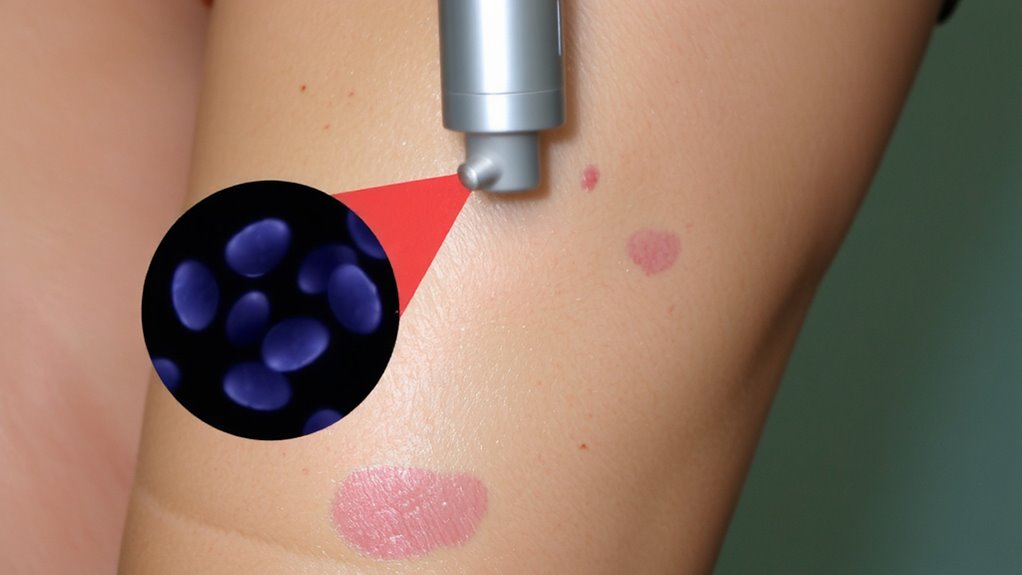
What exactly makes a grade 2 muscle tear more serious than minor strains yet not as debilitating as a full rupture? You’re dealing with a partial tear-around 5–50% of muscle fibers are damaged-so there’s noticeable pain, swelling, and loss of function, but the tissue structure remains partly intact. Unlike minor strains, muscle definition can look visibly distorted due to localized bleeding and inflammation. This level of injury disrupts collagen alignment, slowing recovery without proper intervention. You need targeted support that addresses cellular repair without invasive measures. Cold laser therapy helps by stimulating mitochondrial activity, enhancing ATP production, and accelerating tissue regeneration. It preserves the remaining muscle definition by reducing scar formation and maintaining structural integrity. Though not a standalone fix, it complements rest and rehab protocols effectively. In fitness recovery, quality gear like medical-grade cold lasers offers a science-backed edge-non-invasive, precise, and increasingly trusted in athletic performance circles.
Does Cold Laser Therapy Work for Grade 2 Tears?
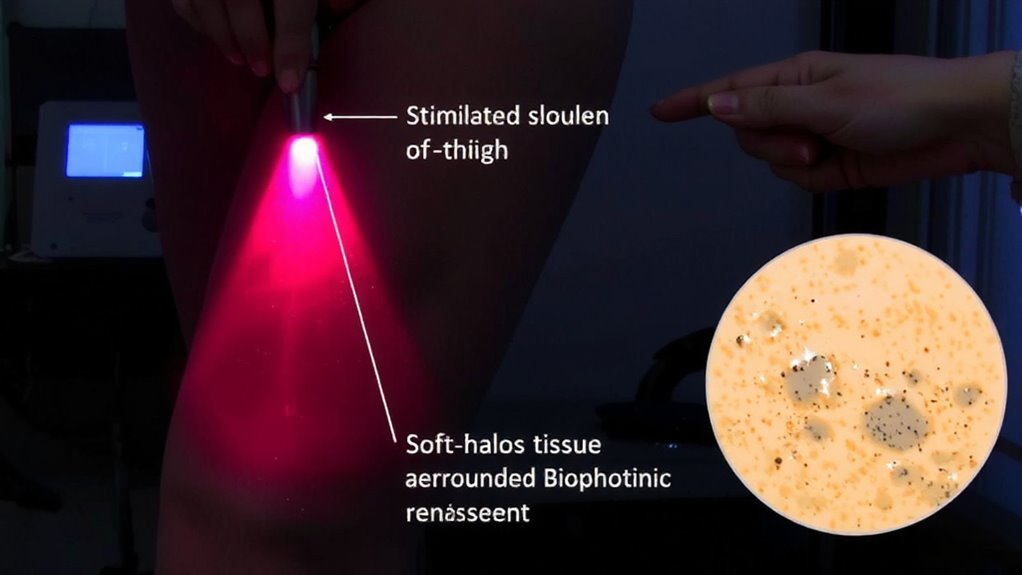
You’re already aware that a grade 2 muscle tear involves significant fiber damage, yet leaves enough structural integrity to avoid surgery-this is exactly where cold laser therapy shows its strongest potential. You’re likely seeking a non-invasive, science-backed method to support recovery, and research suggests cold laser effectively stimulates cellular repair. By delivering low-level light energy to injured tissue, it enhances mitochondrial function, accelerating ATP production essential for healing. Studies show measurable improvements in pain reduction and function, with users reporting faster return to activity. The therapy promotes tissue regeneration by increasing collagen synthesis and reducing inflammatory markers. While it’s not a standalone cure, when used consistently as part of a broader recovery plan, cold laser delivers tangible benefits. It’s practical, painless, and supported by growing clinical evidence, making it a credible tool in managing grade 2 tears and optimizing fitness recovery.
How Cold Laser Therapy Speeds Muscle Healing
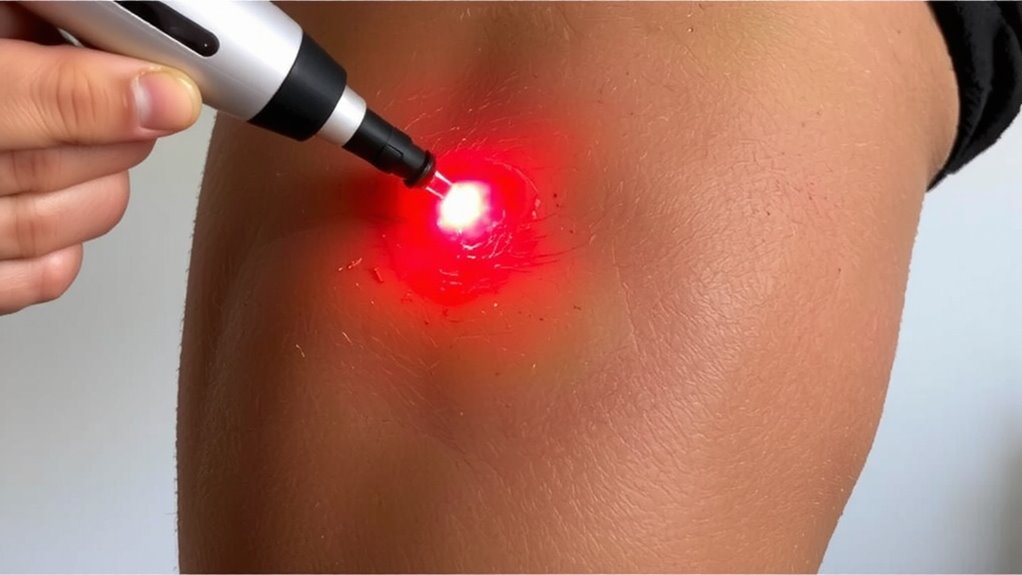
Although muscle healing is a complex biological process, cold laser therapy targets its core mechanisms with precision, effectively accelerating recovery when used correctly. You’re likely dealing with torn fibers and disrupted tissue architecture, but this therapy boosts cellular regeneration by increasing ATP production in mitochondria. That energy surge supports faster repair of damaged muscle cells. It also promotes metabolic stimulation, improving nutrient uptake and waste removal at the injury site. You’ll notice results faster because your body’s natural healing timeline is enhanced-not replaced. Unlike passive recovery, cold laser actively optimizes the environment for tissue restoration. Clinical evidence suggests consistent application yields measurable improvements in recovery speed, especially for Grade 2 tears. While it’s not a standalone cure, integrating it into your recovery protocol complements rest, nutrition, and rehabilitation. Used correctly, it’s a practical, non-invasive tool that elevates how efficiently your muscles heal.
Pain and Inflammation Relief Without Drugs
Cold laser therapy doesn’t just accelerate tissue repair-it also tackles two of the most disruptive aspects of muscle tears: pain and inflammation. You’ll appreciate how this non invasive treatment reduces swelling by modulating inflammatory cytokines, offering relief without relying on medications. Unlike oral anti-inflammatories, which can cause gastrointestinal issues over time, cold laser provides a drug free recovery path that’s both effective and gentle. Clinical studies show significant pain reduction after just a few sessions, thanks to increased endorphin release and decreased nerve sensitivity. You’re not masking symptoms-you’re addressing the root causes. Because it’s non invasive, you avoid risks tied to injections or surgery. It’s a practical addition to fitness recovery protocols, especially when integrating with other recovery gear like compression tools or foam rollers. Cold laser fits seamlessly into a proactive, holistic approach-providing measurable results without side effects. You get faster healing, less discomfort, and a cleaner route to full function.
Is Cold Laser Therapy Right for Your Injury?
How do you know if cold laser therapy is the right choice for your muscle injury? If you’re dealing with a grade 2 muscle tear and want to avoid drugs, it’s worth considering. This non-invasive option boosts cellular repair, reduces inflammation, and supports faster recovery. Studies show positive long term effects, including improved tissue strength and reduced re-injury risks. But success depends on consistent treatment frequency-typically 2–3 sessions weekly for several weeks. It’s not a quick fix, but for active individuals committed to recovery, it can be a smart addition to rehab. You’ll need access to a medical-grade device, either in a clinic or through prescribed home use. While it doesn’t replace physical therapy, it complements other fitness recovery tools like compression gear and targeted stretching. Talk to your provider to see if your injury profile and lifestyle align with this therapy’s benefits.
On a final note
You’ll find cold laser therapy effective for grade 2 muscle tears, reducing inflammation and accelerating cellular repair without drugs. It targets tissue with precise wavelengths, boosting ATP production and circulation. While not a standalone fix, it complements rest and rehab smartly. For active individuals, it’s a practical, non-invasive tool-offering faster recovery with minimal side effects. Though results vary, evidence supports its use alongside proven fitness recovery strategies and quality gear.