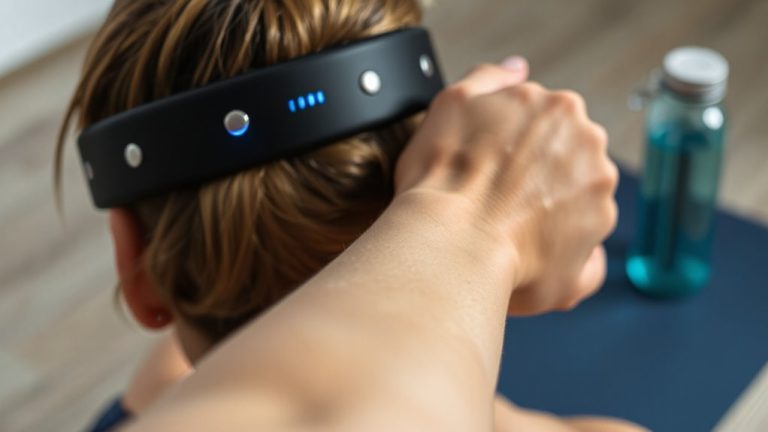
Using Biofeedback to Regain Voluntary Muscle Activation After Neurological Inhibition
You can regain voluntary muscle control after neurological injury by using biofeedback to detect faint electrical signals from your muscles with EMG sensors. These signals become visible or audible cues, helping you retrain brain-to-muscle communication. Over time, this strengthens dormant pathways and promotes neuroplasticity. When used early and consistently, biofeedback improves motor relearning. There’s solid evidence it supports meaningful recovery-see how progress unfolds with continued practice.
Notable Insights
- Biofeedback uses EMG or EEG sensors to detect faint brain and muscle signals in real time.
- Real-time visual or auditory feedback helps patients recognize and strengthen residual brain-to-muscle communication.
- It promotes neuroplasticity by retraining the brain to reactivate or reroute signals around damaged neural pathways.
- Even without visible movement, attempted contractions paired with feedback reinforce correct neural activation patterns.
- Early, consistent use of biofeedback enhances cortical reorganization and improves voluntary muscle control after injury.
What Is Biofeedback for Neurological Recovery?
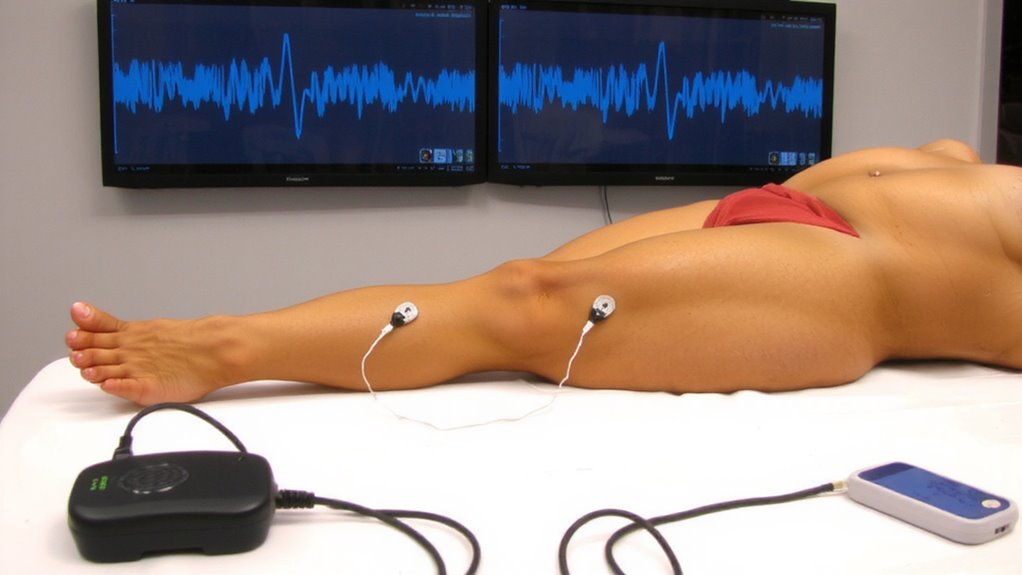
While you may already know that muscle recovery plays a key role in neurological rehabilitation, biofeedback offers a science-backed way to regain control when nerve signals are disrupted. You’re fundamentally retraining your brain to communicate with muscles using real-time data from EMG or EEG sensors, which detect electrical activity. This immediate feedback helps you adjust effort and timing consciously, promoting neuroplasticity adaptation over time. With consistent use, cortical reorganization strategies are supported-your brain begins rerouting signals around damaged areas. Devices like wearable sensors or biofeedback units guide this process, making them valuable in fitness recovery. They’re not flashy, but their precision and clinical grounding set them apart from generic fitness gear. When integrated into therapy, they deliver measurable improvements. You’ll need patience, but the evidence suggests biofeedback strengthens the brain-muscle connection in ways passive treatments simply can’t match.
Why Brain-Muscle Signals Fail After Injury
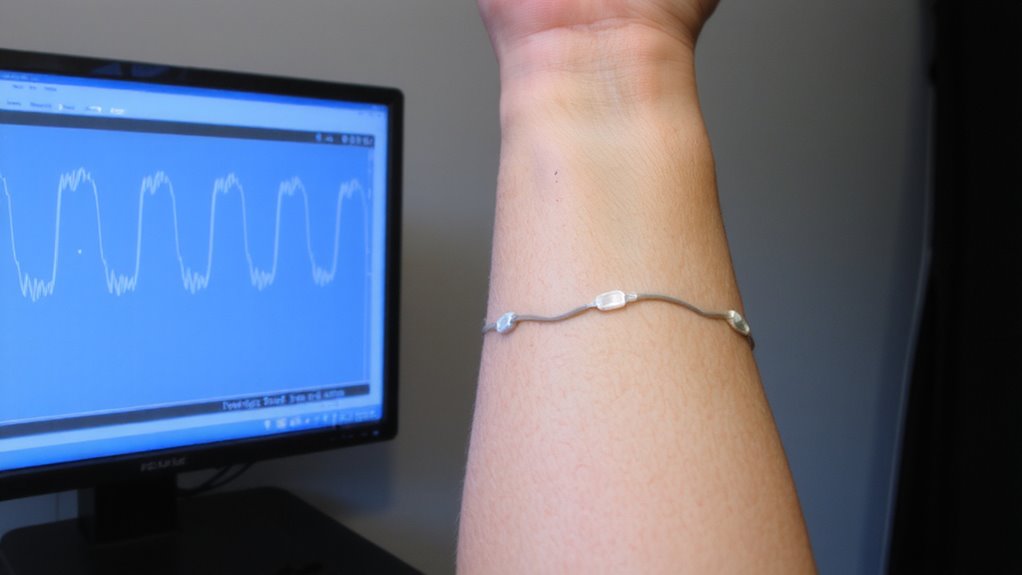
When nerve pathways are disrupted by injury, the signals from your brain can’t reach the intended muscles with the same precision or strength, throwing off even simple movements. Neural degeneration begins as damaged axons retract or fail to transmit impulses efficiently, weakening motor output. You might notice sluggish responses or complete unresponsiveness in affected limbs, even when you’re trying your best. This isn’t just a blockage-synaptic silencing occurs, where communication points between neurons become inactive, further halting signal flow. Over time, unused circuits weaken, making recovery harder. It’s not solely about muscle atrophy; the brain’s command system loses its pathway. Without intervention, these neural disruptions become long-term. The breakdown isn’t immediate but progresses, emphasizing the need for timely strategies that address both the biological failure and functional loss. You’re not just rebuilding strength-you’re reestablishing a broken connection.
How Biofeedback Rebuilds Movement After Stroke or SCI
Biofeedback steps in where neural signals falter, giving you a way to see and adjust your body’s responses in real time. It supports neuroplasticity training by reinforcing new movement patterns, helping your brain relearn control after stroke or SCI. Through repeated feedback sessions, cortical reorganization occurs-your brain shifts functions to healthy areas, restoring lost abilities. This isn’t passive healing; it’s active retraining grounded in measurable progress.
| Mechanism | Role in Recovery |
|---|---|
| Visual feedback | Enhances motor awareness |
| Auditory cues | Guides muscle timing |
| Neuroplasticity training | Strengthens alternative neural pathways |
| Cortical reorganization | Reassigns motor control regions |
You engage directly with your physiology, turning intention into action. Over time, consistent use leads to functional gains, making biofeedback a key tool in modern rehab protocols.
Using EMG Biofeedback to Activate Paralyzed Muscles
You can actually see your muscles talk back to you with EMG biofeedback-literally. Electrodes pick up faint electrical signals from paralyzed muscles, translating them into visual or auditory feedback. Even when you can’t move, this real-time data shows if your brain’s commands are getting through. It’s not magic; it’s muscle reeducation at work. Your nervous system starts relearning how to activate dormant pathways, a process fueled by neural plasticity. Over time, consistent use helps rebuild the connection between thought and movement. Devices vary in sensitivity and portability, but the best ones offer precise signal detection and intuitive displays, making home use practical. While EMG biofeedback won’t replace intensive therapy, it’s a powerful adjunct-particularly when integrated early in recovery. It’s not just monitoring; it’s training, rewiring, and reigniting potential. Success depends on frequency, accuracy, and patient engagement.
What Happens During a Biofeedback Therapy Session
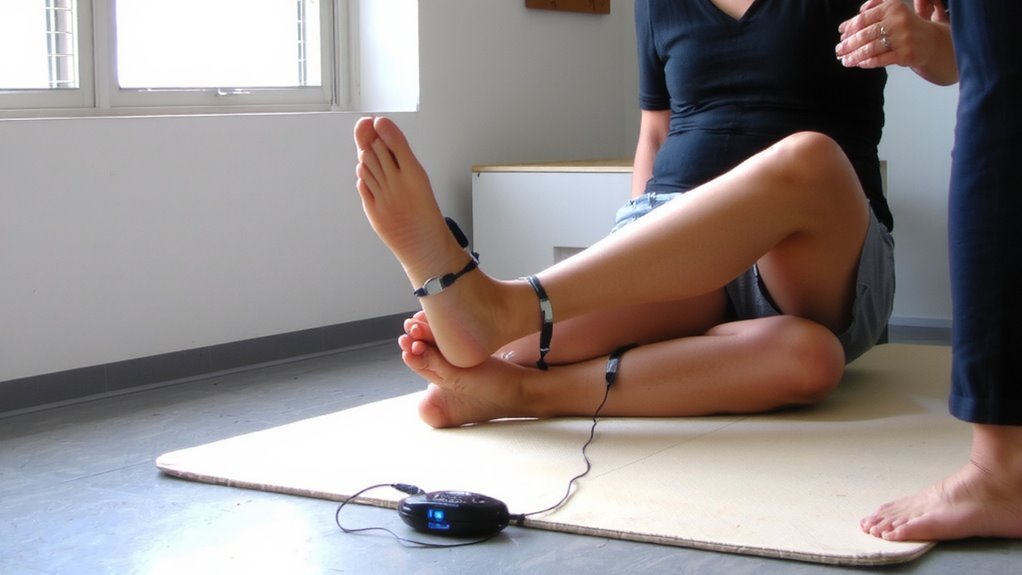
How does a session actually begin? You’re seated comfortably while sensors attach to your skin over target muscles, linking to an EMG biofeedback device that detects electrical activity. The therapist guides you to attempt moving a paralyzed or weakened muscle, even if the movement isn’t visible. When your muscle fires, the device responds with visual or auditory feedback-like a tone or rising bar on a screen. This immediate signal helps retrain muscle memory and heighten nerve sensitivity, bridging the gap between intention and action. You’ll repeat micro-attempts, learning to isolate effort without compensatory movements. Sessions last 30–60 minutes, typically repeated several times a week. The gear used-electrodes, amplifiers, display units-is non-invasive and calibrated to individual thresholds. Over time, consistent use sharpens neuromuscular communication, laying the foundation for voluntary control where neurological inhibition once blocked it.
Tracking Progress: Real Gains in Motor Recovery
What does real progress look like when retraining your muscles after injury or neurological disruption? You’ll notice it in the small victories-firing a muscle on command, sustaining contractions longer, or moving with less hesitation. Biofeedback makes these gains visible, turning invisible effort into measurable data. Over time, consistent sessions promote neural adaptation, where your nervous system rewires pathways to improve signal efficiency. This isn’t just repetition; it’s the gradual return of control. As you keep training, muscle memory begins to re-emerge, allowing movements to feel more natural and less forced. You’re not just rebuilding strength-you’re restoring communication between brain and muscle. Tracking progress with precise metrics helps maintain motivation and informs adjustments. Real gains aren’t always dramatic, but they’re undeniable when you see improved latency, amplitude, and coordination. This is motor recovery rooted in evidence, not guesswork.
On a final note
You’ve seen how biofeedback helps reestablish brain-muscle communication after neurological injury, and it’s clear this tool offers real, measurable gains in motor recovery. EMG biofeedback, in particular, gives you immediate insight into muscle activation, making it easier to retrain movement post-stroke or spinal cord injury. While not a standalone cure, it complements rehab effectively. When paired with proper fitness recovery gear-like adjustable resistance bands and supportive braces-your progress becomes more consistent, practical, and sustainable over time.