Developing a Sleep Hygiene Routine to Maximize Tissue Repair After Concussion
You need quality sleep to repair your brain after a concussion, just like high-performance gear needs proper maintenance. Stick to a consistent 7–9 hour sleep schedule, optimize your bedroom for darkness and quiet, and practice calming routines like deep breathing before bed. Avoid screens, caffeine, and alcohol, all of which disrupt healing. Track your symptoms nightly-patterns will emerge, guiding better recovery choices with time.
Notable Insights
- Prioritize 7–9 hours of consistent nightly sleep to align with circadian rhythms and support optimal brain tissue repair.
- Maintain a regular bedtime and wake time every day to stabilize sleep architecture and enhance neuroplasticity.
- Create a dark, quiet, and cool bedroom environment to promote melatonin release and minimize sleep disruptions.
- Practice pre-sleep relaxation techniques like diaphragmatic breathing to calm neural activity and improve sleep onset.
- Avoid screens, caffeine, and alcohol before bed to prevent melatonin suppression and maintain high-quality restorative sleep.
Why Sleep Heals Your Brain After a Concussion
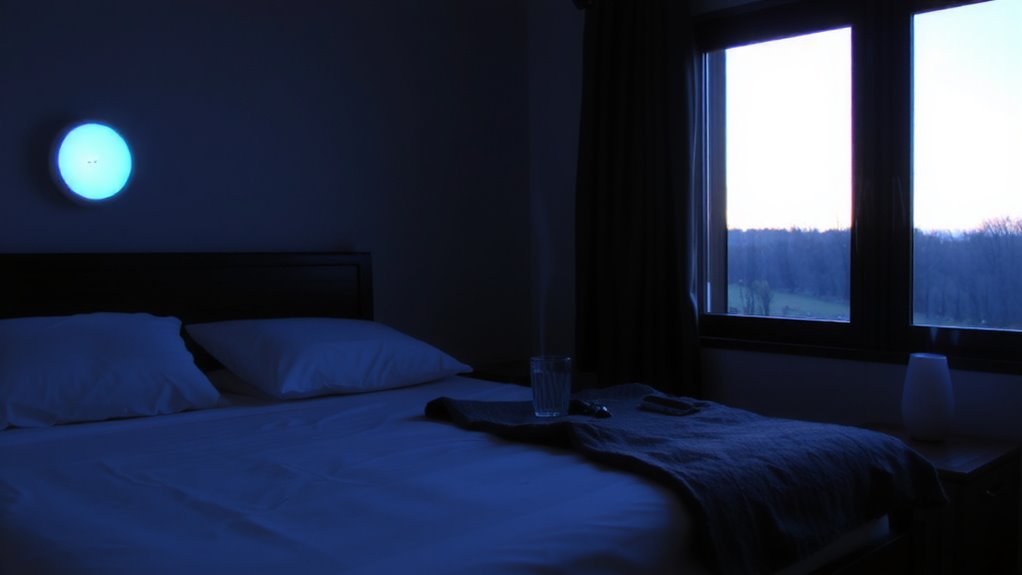
Recovery isn’t just a waiting game-it’s an active process where sleep plays a lead role, especially after a concussion. While you rest, your brain isn’t idle; it’s hard at work on neurochemical restoration, rebalancing neurotransmitters disrupted by injury. This restoration supports cognitive clarity and emotional stability, both critical during recovery. At the same time, synaptic regeneration occurs-your brain strengthens existing connections and forms new ones, improving communication between neurons. These processes don’t happen efficiently without quality sleep. Unlike passive downtime, sleep actively clears metabolic waste and fuels cellular repair. Think of it as essential maintenance, like servicing high-performance fitness gear after intense use. Skipping it risks prolonging symptoms or impairing long-term function. You wouldn’t ignore gear upkeep; don’t neglect your brain’s recovery either. Prioritize rest-it’s not downtime, it’s neuro-renewal.
Set a Consistent Sleep Schedule After Concussion
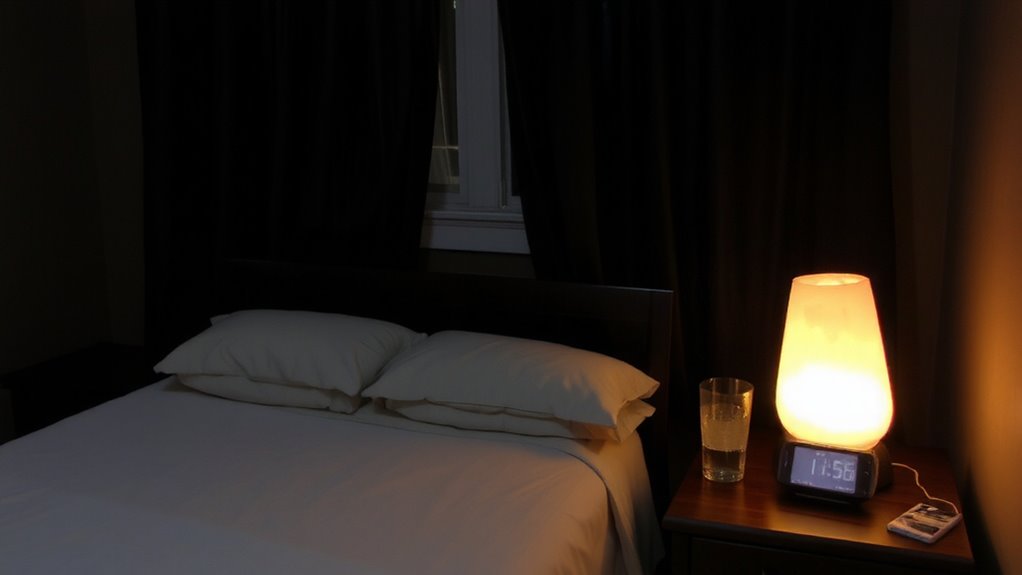
While your brain heals, keeping a regular sleep schedule isn’t just helpful-it’s a cornerstone of effective recovery after a concussion. Your brain relies on predictable sleep duration and bedtime consistency to optimize cellular repair and cognitive restoration. Aim for 7–9 hours nightly, aligning with your body’s natural circadian rhythm. Going to bed and waking up at the same time every day-even on weekends-supports deeper, more restorative sleep. Irregular patterns disrupt sleep architecture,削弱ing recovery efficiency. Research shows that consistent sleep duration enhances neuroplasticity, while erratic bedtimes delay symptom resolution. Think of bedtime consistency as non-negotiable maintenance, like physical therapy for your neurons. It’s not merely about quantity; quality matters too. You’ll notice clearer thinking and less fatigue when your schedule stabilizes. Prioritizing this routine strengthens your brain’s resilience, making each night a step toward full recovery.
Make Your Bedroom Concussion-Sleep Friendly
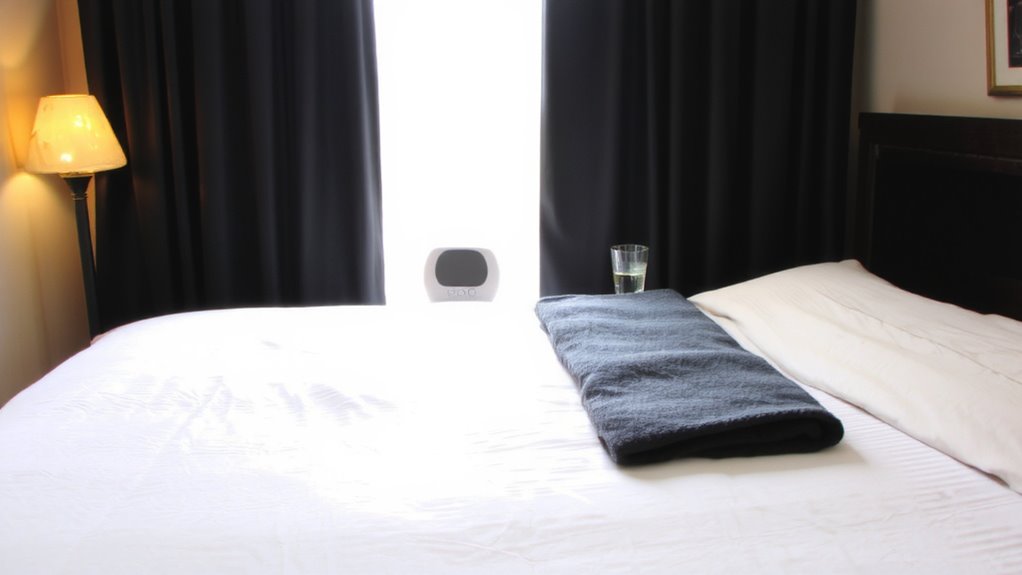
How well are you setting up your bedroom to support sleep during concussion recovery? Proper light control is essential-your brain needs complete darkness to regulate melatonin and optimize tissue repair. Use blackout curtains or a sleep mask to block even small light sources, including digital displays. Noise reduction matters just as much; sound disruptions can fragment sleep cycles, slowing healing. Consider using a white noise machine or earplugs to minimize disturbances from traffic, appliances, or household activity. Keep electronics out of reach to reduce temptation and electromagnetic interference. Choose breathable, non-irritating bedding to avoid temperature spikes. A cool, clutter-free environment supports sensory sensitivity common post-concussion. You’re not just resting-you’re actively repairing neurons. Smart environmental tweaks make recovery more effective. Every detail counts.
Calm Your Brain Before Bed
Why does your brain still race at night when you’re trying to heal? After a concussion, your brain struggles with brain wave regulation, making it harder to shift from alertness to rest. That’s where mental relaxation techniques come in. Practices like diaphragmatic breathing, guided imagery, or progressive muscle relaxation help calm neural activity, easing the shift into restorative sleep. These aren’t just placebo tricks-they’ve been shown to improve sleep onset and depth in concussion recovery. You don’t need special gear, just consistency. Doing them nightly trains your brain to wind down on cue. Think of it like conditioning for recovery: just as fitness demands training, healing demands routine. The right mental relaxation techniques support brain wave regulation, aligning your nervous system with sleep’s restorative phases. It’s practical, science-backed, and essential for tissue repair. Stick with it, and you’ll notice fewer racing thoughts and deeper rest.
Stop Screens From Ruining Your Sleep
You’ve already taken steps to calm your brain with breathing and relaxation techniques, but one common habit might still be working against you: screen use before bed. Your devices emit blue light exposure that suppresses melatonin, disrupting your circadian rhythm when your brain needs consistency most. Even if you feel tired, this interference can prevent deep, restorative sleep critical for tissue repair after concussion. To counter this, set a consistent digital detox timing-ideally 60 to 90 minutes before bed. Swap screens for low-stimulus activities like reading or light stretching. Using features like night mode isn’t enough; eliminating exposure altogether proves more effective in controlled sleep studies. Prioritizing screen abstinence reinforces neural recovery, letting your brain enter repair-focused sleep cycles without disruption. It’s not just habit-it’s physiological necessity.
Skip Caffeine, Alcohol, and Late Meals
Isn’t it surprising how what you consume-especially late in the day-can quietly sabotage your recovery sleep? Caffeine avoidance isn’t just helpful-it’s essential after a concussion. Stimulants delay sleep onset, reducing deep, restorative stages needed for brain healing. Alcohol may make you drowsy, but it fragments sleep and impairs tissue repair. Poor meal timing, especially heavy or spicy meals within three hours of bedtime, triggers discomfort and acid reflux, disrupting sleep continuity.
| Substance | Effect on Sleep Recovery |
|---|---|
| Caffeine | Delays sleep, reduces REM |
| Alcohol | Fragments sleep, lowers quality |
| Late meals | Causes discomfort, delays onset |
Prioritizing proper meal timing and eliminating caffeine and alcohol supports stable neurophysiology. You’re not just resting-you’re actively repairing. Make these adjustments early; they’re low-effort with high-return in recovery speed and sleep quality. Your brain’s healing depends on consistent, uninterrupted sleep cycles.
Track Symptoms to Improve Sleep Recovery
While recovery timelines vary, tracking symptoms after a concussion gives you clear insight into how sleep quality influences cognitive healing. Sleep tracking helps you identify patterns-like delayed sleep onset or frequent awakenings-that may slow recovery. When combined with symptom journaling, you can correlate headaches, brain fog, or irritability with specific sleep disruptions. This data lets you and your healthcare provider make informed adjustments to your routine. For example, if you notice poor sleep after screen use at night, you can implement blue light filters or earlier device curfews. Unlike generic fitness trackers, medical-grade sleep tracking tools often provide more accurate REM and deep sleep metrics, which are essential for tissue repair. Symptom journaling doesn’t need special gear-just consistency. Over time, this dual approach sharpens your recovery strategy, turning subjective feelings into objective evidence, improving both sleep quality and overall healing outcomes.
On a final note
You’re giving your brain the best shot at recovery by sticking to a strong sleep hygiene routine after a concussion. Consistent sleep timing, a dark and quiet room, and screen avoidance boost restorative slow-wave sleep, vital for tissue repair. Avoiding caffeine and tracking symptoms sharpens your recovery path. These steps aren’t just helpful-they’re backed by neurobiology. Your commitment tonight shapes healing tomorrow.