Hip Mobility Drills With Standing Hip Flexor Stretches With Posterior Tilt
Tight hips from sitting weaken glutes and shorten hip flexors, but combining standing hip flexor stretches with posterior pelvic tilts resets alignment and boosts mobility. Activate your core and glutes during the tilt to protect your lower back and improve stretch effectiveness. Perform the stretch with a slight tuck, upright torso, and engaged glutes for ideal form. Add dynamic drills like leg swings and hip circles to enhance joint lubrication and neuromuscular control. You’ll soon discover how strategic movement renews function and resilience.
Notable Insights
- Combine standing hip flexor stretches with posterior pelvic tilt to improve alignment and deepen the stretch.
- Engage glutes and abs during the stretch to activate posterior tilt and protect the lower back.
- Maintain a neutral spine by tucking the pelvis slightly and avoiding lumbar over-arching.
- Use dynamic drills like leg swings and hip circles before stretching to enhance joint mobility.
- Hold each stretch 30–45 seconds with controlled breathing to maximize tissue relaxation and flexibility gains.
How Tight Hips Sabotage Your Movement
Why do your hips feel tight after just a few minutes of sitting? Prolonged sitting triggers hip compression, especially in the front of the joint, shortening hip flexors and limiting range of motion. This position also promotes joint stiffness, reducing synovial fluid circulation needed for smooth movement. Over time, your body adapts poorly-muscles weaken, connective tissues tighten, and movement patterns become inefficient. You’re not just sitting; you’re reinforcing a biomechanical imbalance. This stiffness doesn’t stay put-it spreads, affecting your posture, gait, and even lower back health. Whether you’re walking, squatting, or climbing stairs, tight hips disrupt alignment and force other joints to compensate. Quality fitness recovery tools like targeted foam rollers or anatomically shaped hip gliders can help, but only if paired with consistent mobility work. Ignoring this compression risks long-term dysfunction. Mobility isn’t optional-it’s foundational.
Use Posterior Tilts to Unlock Hip Mobility
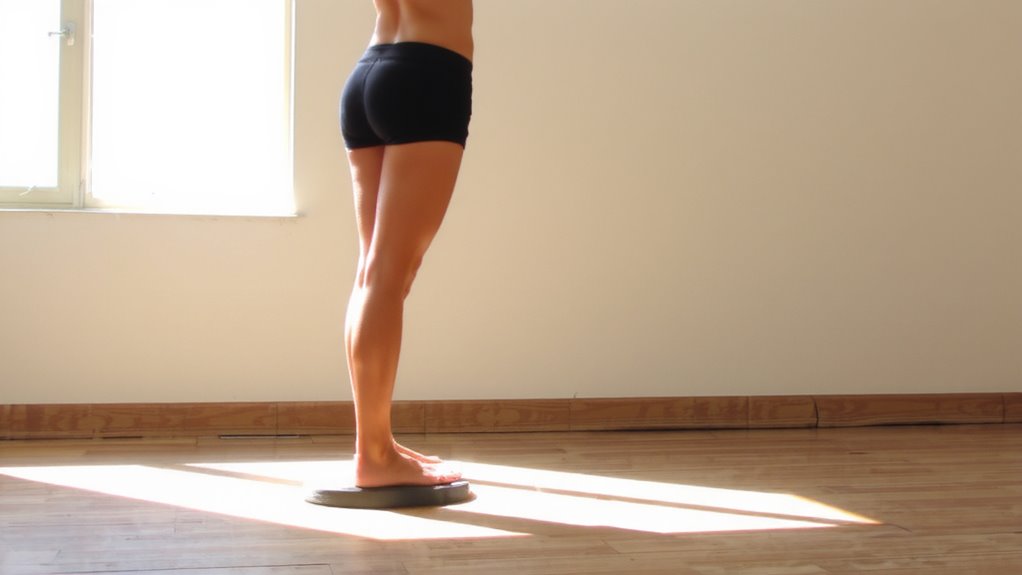
A posterior pelvic tilt is one of the most effective yet underused movements for restoring natural hip mobility, especially if you spend hours seated. When you tilt your pelvis backward, you gently engage your glutes and abs, which helps counteract the anterior pelvis pull caused by tight hip flexors. This simple motion resets alignment and improves rotational control through the core and hips, promoting better function during dynamic movements. You’re not just stretching-you’re retraining neuromuscular coordination. Done consistently, posterior tilts reduce lower back strain and create a more neutral pelvis, which is essential for balanced strength and injury prevention. While fitness gear like smart mats or posture trainers can provide feedback, they’re not necessary-just mindful repetition. This drill works best when integrated into daily movement routines, especially before workouts or after long sits. It’s a foundational move that prepares your body for more complex hip mobility work without relying on equipment.
Master the Standing Hip Flexor Stretch

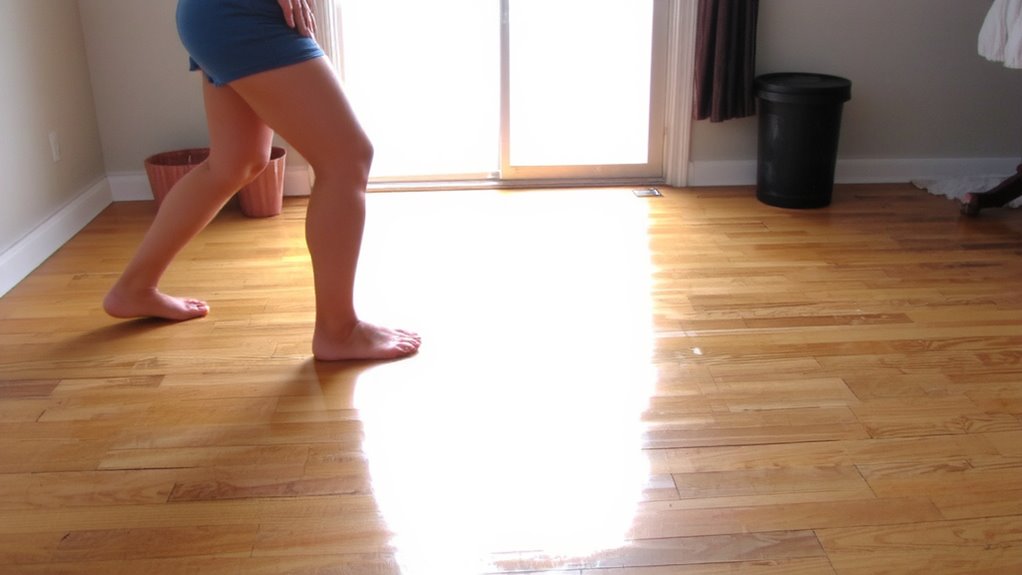
The standing hip flexor stretch is a cornerstone movement for reclaiming lower body mobility, especially when tight psoas or quadriceps are limiting your stride, squat depth, or pelvic alignment. You’ll start with one foot forward, back knee down if using a mat, and gently shift your weight forward while engaging your glutes-this triggers muscle activation that enhances the stretch’s effectiveness. Tucking your pelvis slightly promotes proper hip alignment, preventing over-arching and targeting the correct tissues. Keep your torso upright and avoid flaring your back foot. Hold for 30–45 seconds per side, breathing deeply to facilitate relaxation in the hip flexors. This stretch integrates seamlessly into recovery routines, especially post-run or after long periods of sitting. When performed consistently, it supports better posture and movement efficiency, making it a practical addition to any mobility-focused fitness regimen.
Avoid These 3 Hip Flexor Stretch Mistakes
With so many people rushing through their warm-ups or recovery routines, you’re probably making at least one of these hip flexor stretch mistakes-ones that could undermine your mobility gains or even lead to discomfort over time. First, you might be overarching spine, which shifts stress to your lower back instead of targeting the hip flexors. This misalignment reduces stretch effectiveness and may cause strain, especially during prolonged holds. Second, locking knees alters pelvic alignment and increases joint pressure, limiting muscle engagement. Keep a slight bend to maintain proper form. Third, rushing through reps denies muscles time to adapt. Like relying on flimsy fitness gear that promises results but delivers little, poor technique sabotages long-term progress. You’ll get better outcomes by focusing on control, alignment, and consistency-treating your body like high-performance equipment that needs proper maintenance and smart use.
3 Quick Hip Mobility Drills to Try Now
You’ve probably been stretching your hip flexors only to feel little improvement-maybe even some nagging lower back tightness-and realized your technique matters more than you thought. That’s where dynamic warm ups and joint articulation come in. These quick drills prep your hips more effectively than static stretching alone, especially before workouts. They boost blood flow, improve range of motion, and help you move with better control.
| Drill | Reps | Benefit |
|---|---|---|
| Leg Swings | 10/side | Enhances mobility & coordination |
| Hip Circles | 8/side | Promotes joint articulation |
| Standing Marches | 12/side | Activates glutes & improves stability |
Incorporate these before lifting or running. Unlike passive gear like foam rollers, these movement-based drills actively engage muscles and joints. They’re not just prep-they’re functional conditioning. With consistency, you’ll notice smoother movement patterns and fewer stiffness complaints, especially if you sit a lot.
Combine Tilts and Stretches for Lasting Results
A smart recovery strategy doesn’t rely on stretching alone-it combines movement variety with targeted joint positioning, and that’s where integrating pelvic tilts with traditional hip stretches makes a noticeable difference. You’re not just lengthening tissue; you’re retraining how your pelvis and femur interact during motion. By adding posterior pelvic tilts into your standing hip flexor stretch, you promote dynamic alignment, helping the joint move smoothly through its full range. This combo encourages controlled activation of the glutes and deep core, stabilizing the pelvis before and during the stretch. Unlike passive stretching, this method builds neuromuscular awareness, enhancing both mobility and joint integrity. Over time, you’ll notice less stiffness and improved movement efficiency. For lasting results, pair this technique with supportive gear-quality mats or mobility bands can enhance consistency and form. It’s recovery that works with your body’s mechanics, not against them.
On a final note
You’ve likely felt how tight hips restrict movement and strain your lower back. Incorporating posterior pelvic tilts into standing hip flexor stretches helps activate the right muscles and improves alignment. These drills enhance mobility by targeting stiffness at its source. Avoid common mistakes like overarching your back or rushing through reps. Used consistently, these techniques, paired with quality recovery gear like foam rollers or compression sleeves, support lasting flexibility and joint health-essential for performance and daily function.