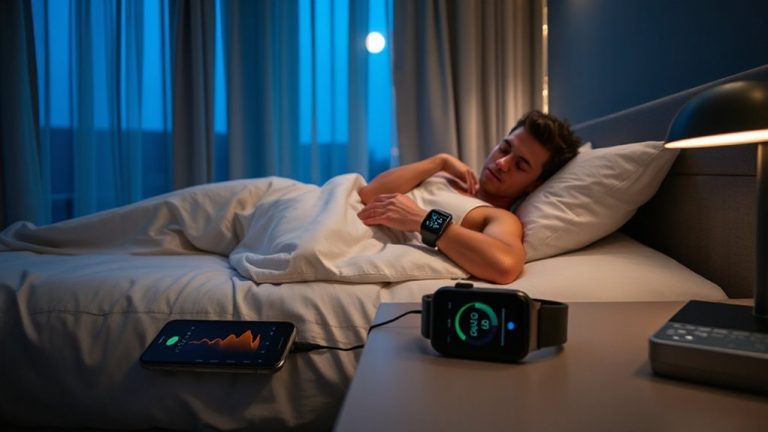
Investigating the Link Between Iron Deficiency and Poor Sleep Continuity in Female Endurance Athletes
You might wake up at 3 a.m. not from stress, but from low iron quietly disrupting dopamine and serotonin needed for stable sleep. Even without anemia, poor iron stores impair recovery, sleep continuity, and oxygen delivery-common in female athletes due to menstrual loss and poor absorption. Ferritin below 30 ng/mL is a red flag, affecting performance and nighttime respiration. Fixing iron status with smart nutrition or supplementation supports deeper sleep and faster recovery-especially when combined with vitamin C and timed away from calcium or caffeine. There’s more to how iron shapes your rest and resilience than most realize.
Notable Insights
- Iron deficiency disrupts dopamine and serotonin regulation, leading to fragmented sleep and nocturnal arousals in female endurance athletes.
- Subclinical iron deficiency impairs sleep continuity before anemia develops, often presenting as nighttime awakenings, especially around 3 a.m.
- Low ferritin levels below 30 ng/mL are linked to poor sleep quality and delayed recovery, even if hemoglobin remains normal.
- Female athletes are at higher risk due to menstrual blood loss, increased oxidative turnover, and poor iron absorption from dietary inhibitors.
- Optimizing iron status with vitamin C-enhanced diets and avoiding calcium/caffeine with meals improves sleep continuity and aerobic performance.
How Iron Deficiency Ruins Sleep: Even Before Anemia
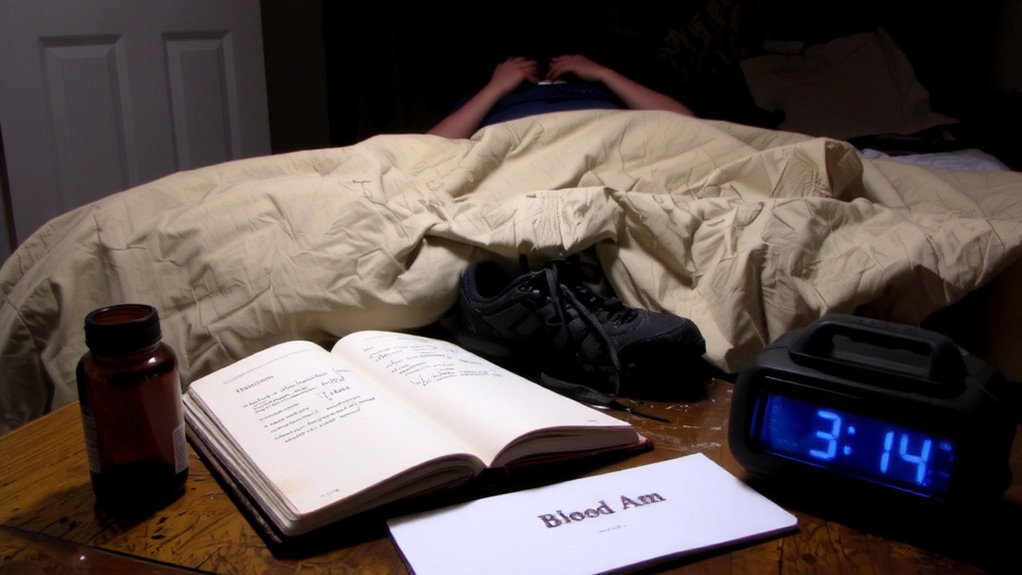
What if poor sleep isn’t just from stress or a late workout-but something quieter, like low iron? You might not feel overtly fatigued or show anemia symptoms, yet low iron quietly disrupts your sleep long before blood markers crash. Even at subclinical levels, inadequate iron affects dopamine and serotonin regulation-neurotransmitters essential for sleep cycles. Poor iron absorption, common in female athletes due to high oxidative turnover and sweat losses, exacerbates this. Without enough iron, your body struggles to maintain steady respiration and temperature control during sleep, leading to frequent nocturnal disturbances. You may not wake fully, but micro-arousals fragment your sleep architecture. Over time, this hampers fitness recovery, dulling gains from even the most advanced fitness gear. Monitoring ferritin levels, optimizing diet for absorption, and strategic supplementation help preserve sleep continuity-and performance.
Why Low Iron Wakes You Up at Night
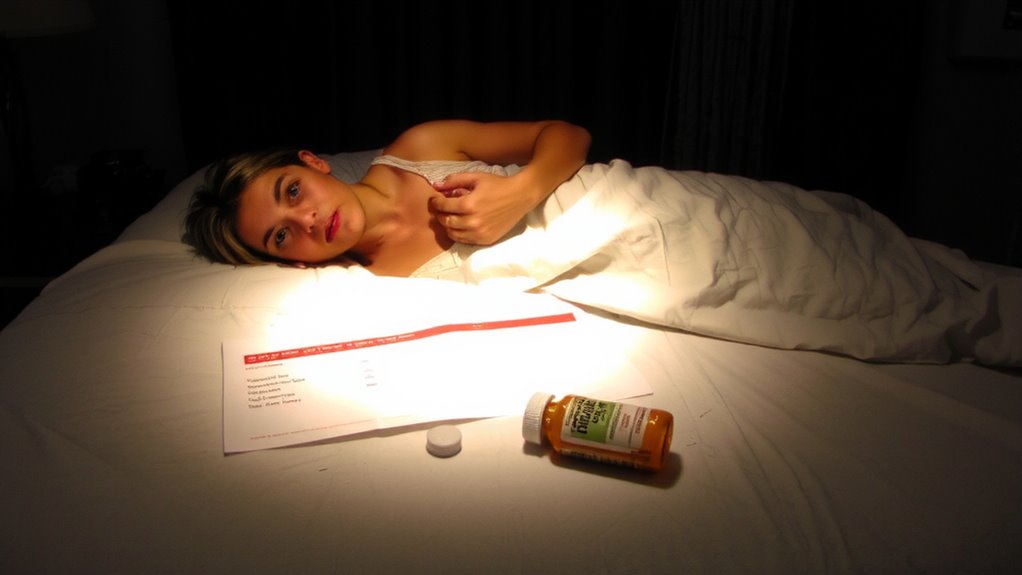
Why do you keep waking up at 3 a.m., staring at the ceiling despite crushing your training load and recovery protocols? The answer might lie in disrupted iron regulation. Low iron levels interfere with dopamine and serotonin pathways, both critical for sleep stability. Without enough iron, your brain struggles to produce adequate neurotransmitters, increasing the likelihood of nocturnal arousal. Even minor deficiencies-well before anemia develops-can dysregulate your sleep architecture, making you more prone to waking mid-cycle. You might not feel fatigued during the day, but at night, your nervous system remains hyperalert. Poor iron status also affects respiratory control during sleep, contributing to restlessness. Unlike recovery gear that supports muscles or tracks sleep, correcting iron regulation targets the biochemical root of disrupted rest. You can optimize your sleep environment and recovery tech all you want, but without sufficient iron, your brain won’t stay offline. That middle-of-the-night wakefulness? It’s not stress-your body’s screaming for iron.
Early Warning Signs of Low Iron in Female Athletes
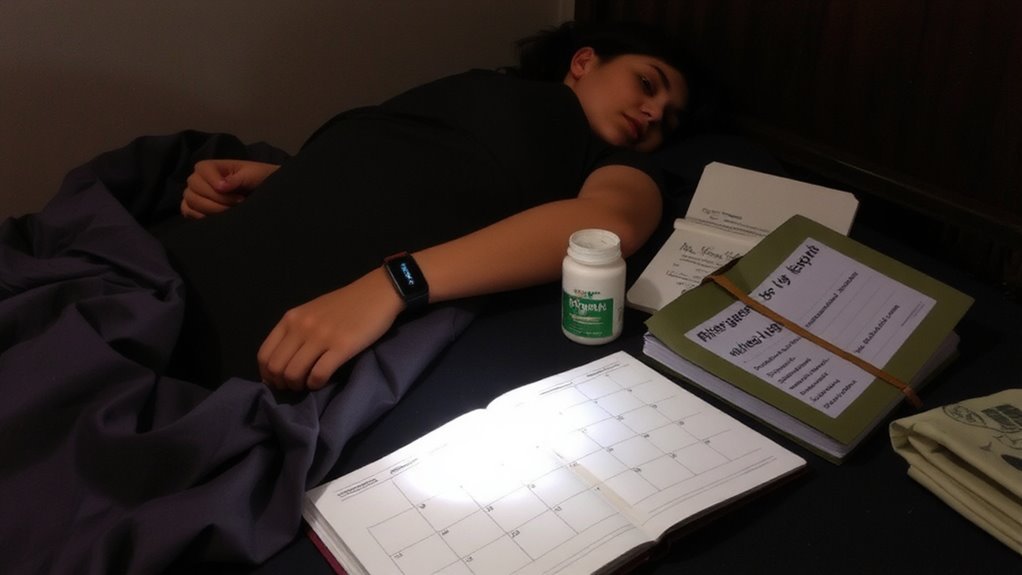
How often do you brush off persistent fatigue, even after solid sleep and recovery routines? Elevated fatigue levels despite adequate rest could signal early iron deficiency-especially if you’re a female endurance athlete. You might notice your usual workouts feel harder, recovery takes longer, or your heart rate stays elevated during low-intensity efforts. Subtle menstrual changes, like heavier periods or increased cycle irregularity, often accompany declining iron stores and can accelerate loss. These signs aren’t just performance hiccups; they’re physiological red flags. Iron supports oxygen transport and energy metabolism, so when levels dip, your body struggles to keep up. Ignoring these symptoms risks progressing to iron deficiency anemia, which disrupts both training adaptation and sleep continuity. Recognizing fatigue and menstrual changes early gives you a strategic window to intervene before performance and recovery spiral. Smart monitoring today protects your endurance tomorrow.
What Your Iron Test Results Really Mean
Ever wondered what those numbers on your latest blood panel actually mean when it comes to iron? Understanding your results helps gauge fatigue risk and iron absorption efficiency. Key markers like ferritin levels reveal your iron stores, which directly impact energy and recovery. Low ferritin doesn’t always mean anemia, but it can still disrupt performance and sleep quality. Here’s a quick guide:
| Test | Normal Range | What It Means |
|---|---|---|
| Ferritin | 12–300 ng/mL | Low levels suggest depleted stores |
| Hemoglobin | 12–16 g/dL | Measures oxygen-carrying capacity |
| Iron Saturation | 15–50% | Reflects active iron transport |
| TIBC | 250–450 µg/dL | Indicates iron absorption potential |
Monitoring these values helps catch deficiencies early, especially if you’re training hard. Ferritin levels below 30 ng/mL often signal trouble, even if other markers look fine.
Boost Iron for Better Sleep and Faster Recovery
Could better sleep and quicker recovery after intense training be as simple as optimizing your iron? For female endurance athletes, the answer might be yes. Low iron stores correlate with disrupted sleep and sluggish recovery, especially when ferritin dips below 30 ng/mL. Boosting iron isn’t just about loading up on supplements-it’s about strategy. Dietary timing matters: pairing iron-rich foods with vitamin C enhances absorption, while calcium or caffeine too close to meals can hinder it. Supplement synergy also plays a role-combining iron with vitamin B12 and folate supports red blood cell production more effectively. When taken correctly, this approach improves oxygen delivery, helping muscles recover faster and sleep stabilize. While recovery gear like compression boots or massage guns offers temporary relief, addressing iron status targets the root cause-making it a smarter, more sustainable upgrade to your recovery protocol.
On a final note
You’re better equipped to recover when you address iron deficiency early, especially since disrupted sleep often signals trouble before anemia develops. Low iron impairs oxygen transport and dopamine regulation, both essential for sleep continuity and endurance recovery. Female athletes should monitor ferritin levels closely, aiming for at least 50 μg/L to support restful sleep and peak performance. Pairing proper nutrition with quality recovery gear-like compression wear and temperature-regulated bedding-boosts results further.