Resolving Medication-Induced Insomnia Side Effects Common Among Pain-Managing Athletes on NSAIDs
You’re likely disrupting your sleep without realizing it if you’re taking NSAIDs, especially at night. They interfere with melatonin and raise core body temperature, making it harder to fall and stay asleep. Poor sleep slows recovery, weakens performance, and throws off hormone balance. Try taking lower doses earlier in the day or switching to natural options like curcumin or magnesium. Your body’s repair systems work best in rhythm-staying on track reveals how small changes make a bigger impact.
Notable Insights
- Time NSAID doses earlier in the day to minimize circadian disruption and support natural melatonin release.
- Reduce NSAID dosage to the lowest effective level to manage pain without compromising sleep quality.
- Replace evening NSAID use with natural alternatives like curcumin or tart cherry juice to avoid sleep onset delays.
- Supplement with magnesium to promote muscle relaxation, reduce soreness, and improve sleep continuity.
- Monitor for signs of hormonal imbalance and unrefreshing sleep to identify NSAID-induced insomnia early.
How NSAIDs Keep Athletes Awake at Night

Why do you find yourself staring at the ceiling after a long day of training, despite being physically exhausted? The answer might lie in your reliance on NSAIDs. While these drugs reduce pain from chronic inflammation, they can interfere with sleep by causing circadian disruption. Your body’s natural rhythm, finely tuned for recovery, gets thrown off when NSAIDs alter melatonin production and core body temperature regulation at night. You might feel short-term relief, but long-term, this undermines sleep quality-essential for tissue repair and mental focus. Fitness recovery isn’t just about gear or rest days; it’s about how medications impact your biology. Even the best compression gear or sleep tracker can’t compensate for hormonally-driven sleep interference. If your nighttime routine includes NSAIDs, you’re possibly trading immediate comfort for compromised restoration. That’s a poor deal for performance. Reassessing medication timing or dosage could support both pain control and undisturbed sleep-key components of sustainable athletic success.
Why NSAID-Linked Insomnia Hurts Performance
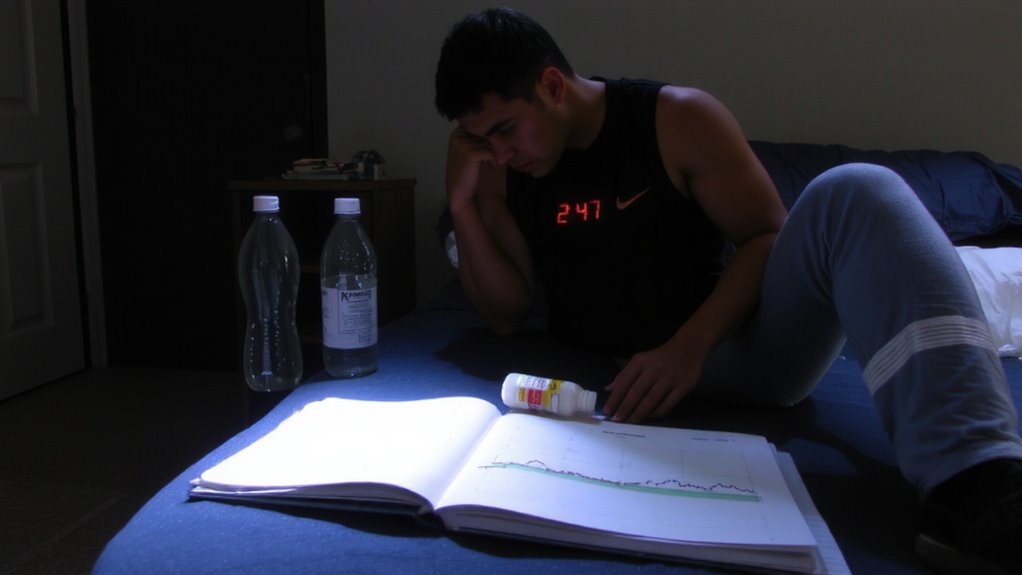
You’re logging miles, lifting heavy, and sticking to your recovery routine, but if you’re using NSAIDs regularly and losing sleep because of it, your gains are quietly eroding. Insufficient sleep disrupts muscle repair and slows reaction time, undermining the effort you put into training. Cognitive fatigue sets in, impairing focus during workouts and increasing injury risk. Your coordination dips, and decision-making suffers-critical flaws during high-intensity or technical performance. NSAID-linked sleep loss also triggers hormonal imbalance, reducing growth hormone release and elevating cortisol, which promotes muscle breakdown instead of recovery. Over time, this weakens adaptation, leaving you physically drained despite consistent effort. Even advanced recovery gear-compression devices, cooling systems-can’t compensate for poor sleep physiology. Without addressing the root cause, your body never fully rebounds. Real progress isn’t just in the work you do, but in the quality of rest that follows.
Signs Your NSAIDs Are Harming Sleep

Could it be that the very pills you’re taking to relieve post-workout soreness are quietly undermining your rest? If you’re relying on NSAIDs regularly, sleep disruptions might not be a coincidence. You may notice trouble falling asleep, frequent nighttime awakenings, or unrefreshing rest-common signs your body is reacting negatively. Chronic NSAID use can trigger hormonal imbalance, particularly in cortisol and melatonin, both critical for sleep regulation. Additionally, ongoing liver stress from processing these drugs may impair detoxification pathways, indirectly affecting sleep quality. You might not connect these symptoms to your medication, especially since they develop gradually. But when recovery-focused athletes experience poor sleep despite ideal training and nutrition, NSAIDs could be the hidden culprit. These physiological disruptions compromise the body’s ability to repair, reducing the effectiveness of even the most advanced fitness gear and recovery protocols. Pay attention-your nighttime struggles may signal deeper metabolic strain.
Adjust Timing and Dose for Better Sleep
While you might not think a few tweaks to your NSAID routine could make a real difference, adjusting when and how much you take can substantially improve your sleep quality. Shifting dosage timing earlier in the day helps minimize sleep disruptions, as NSAIDs can interfere with melatonin release and increase nighttime awakenings. Avoid evening administration unless absolutely necessary-taking doses at night may elevate core body temperature and delay sleep onset. Reducing the dosage to the lowest effective level also decreases stimulatory side effects without sacrificing pain relief. For athletes needing consistent recovery support, proper timing guarantees medication aids healing without undermining rest. Studies show optimized regimens improve sleep continuity and next-day performance. Though individual responses vary, refining your approach to dosage timing is a practical, evidence-backed way to protect sleep while managing pain effectively.
Athlete-Safe Natural Remedies to Manage Pain Without NSAIDs
Since relying on NSAIDs can disrupt sleep and delay recovery, turning to natural remedies offers athletes a safer way to manage pain without compromising rest. You can harness turmeric benefits through its active compound, curcumin, which studies show reduces inflammation similarly to some over-the-counter medications-minus the side effects. Pairing it with black pepper enhances absorption, making it practical for daily use. Magnesium relaxation effects also support muscle recovery by calming neuromuscular activity and improving sleep quality. Topical magnesium oils or nightly supplements help maintain ideal levels, especially after intense training. Omega-3 fatty acids from fish oil and tart cherry juice likewise reduce soreness naturally. These solutions integrate smoothly into recovery regimens, avoiding dependency risks while supporting long-term performance. Though results may be subtler than pharmaceuticals, their safety and holistic impact make them a measured choice. Combined with proper hydration and mobility work, they form a sustainable approach to pain management aligned with overall athlete wellness.
Wind Down Effectively While on NSAIDs
You’ve likely turned to NSAIDs for quick relief when soreness hits hard after a grueling session, and though they can reduce inflammation fast, they don’t come without trade-offs-especially when it comes to sleep and recovery quality. To counteract medication-induced insomnia, effective wind-down routines are essential. Prioritize sleep hygiene by setting a consistent bedtime, reducing screen exposure, and keeping your room cool and dark. Incorporate breathing techniques like diaphragmatic or 4-7-8 breathing to calm your nervous system before bed. These methods slow heart rate and signal the body to shift into rest mode. While NSAIDs help manage acute pain, they may disrupt deep sleep cycles-making recovery less efficient. Pairing medication use with disciplined wind-down habits improves overall rest quality. Good sleep hygiene isn’t optional; it’s a performance necessity for athletes aiming to optimize recovery and maintain peak physical function.
On a final note
You’re likely pushing through pain with NSAIDs, but if sleep suffers, recovery falters. These drugs may disrupt circadian rhythms and delay muscle repair, undermining athletic gains. Adjusting dosage timing can help, but long-term reliance poses risks. Natural alternatives like magnesium or tart cherry juice offer safer pain management. Pair smart supplementation with consistent wind-down routines to protect sleep quality. Ultimately, optimizing recovery means balancing effective pain control with restorative rest-your performance depends on both.