Nutrition-Timed Walking: Post-Meal Ambulation to Moderate Insulin Spikes Effectively
You can greatly reduce post-meal blood sugar spikes by walking just 10 to 20 minutes after eating. A 15-minute stroll lowers glucose levels by up to 30%, with greatest benefits after carb-heavy or evening meals. Muscle activity pulls glucose from your blood without relying heavily on insulin, improving long-term sensitivity. Even light walking, when done consistently, outperforms occasional intense exercise-start small, and see how your body responds over time.
Notable Insights
- Walking 10–20 minutes after eating optimizes glucose uptake and minimizes post-meal insulin spikes.
- Just 15–20 minutes of light to moderate walking significantly lowers blood sugar excursions after meals.
- Post-meal walks after lunch or dinner are most effective due to lower insulin sensitivity later in the day.
- Muscle activity during walking absorbs glucose without insulin, improving metabolic control after eating.
- Pairing walks with daily cues like clearing the table builds consistent, insulin-sensitizing habits over time.
Why Walking After Meals Balances Blood Sugar
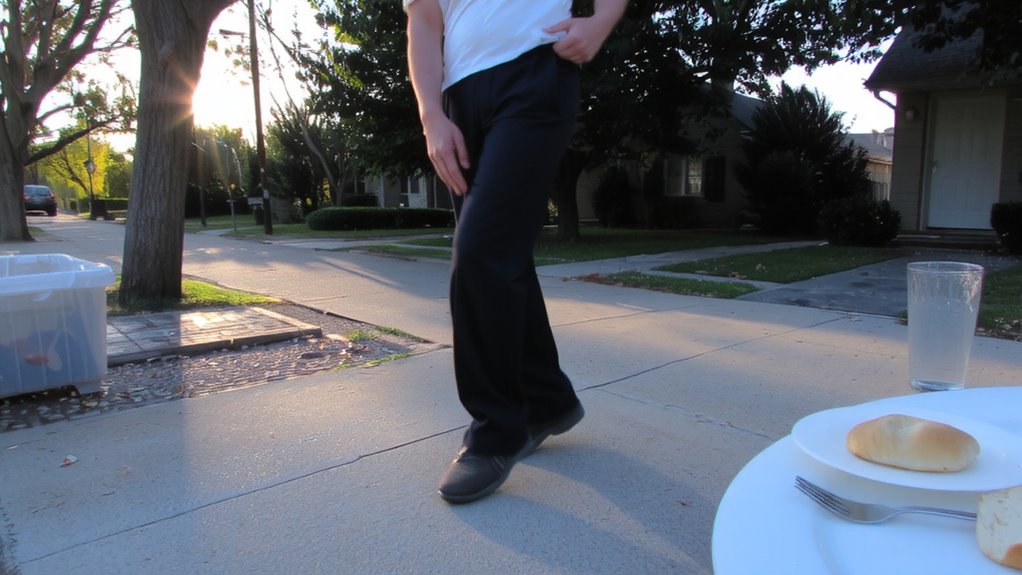
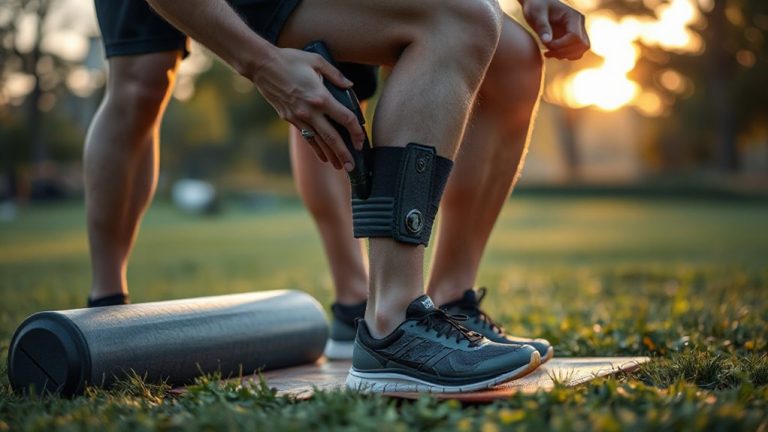
While you might think exercise has to be intense to make a difference, even a simple walk after eating can greatly influence how your body manages blood sugar. You’re directly enhancing glucose metabolism, as muscle movement pulls sugar from the bloodstream for energy-even without insulin. Over time, this improves insulin sensitivity, meaning your cells respond better to insulin’s signal, reducing strain on your pancreas. Studies show post-meal walking lowers average blood glucose spikes by 20–30%, especially valuable if you’re managing prediabetes or metabolic syndrome. Unlike vigorous workouts, gentle ambulation poses minimal risk and fits easily into daily routines. Proper footwear supports this habit, reducing joint stress and improving stride efficiency. Breathable socks and supportive insoles also prevent blisters, promoting consistency. These gear elements don’t boost metabolism directly, but they aid adherence-critical for long-term gains in insulin sensitivity and overall glycemic control. Recovery isn’t just post-intense effort; it’s built through sustainable, everyday choices.
How Soon Should You Walk After Eating?
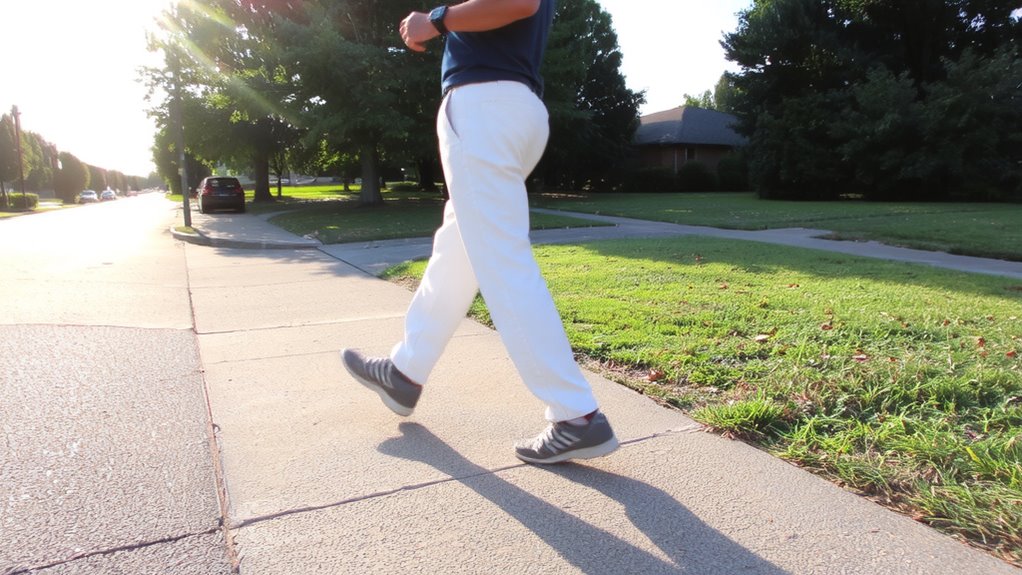
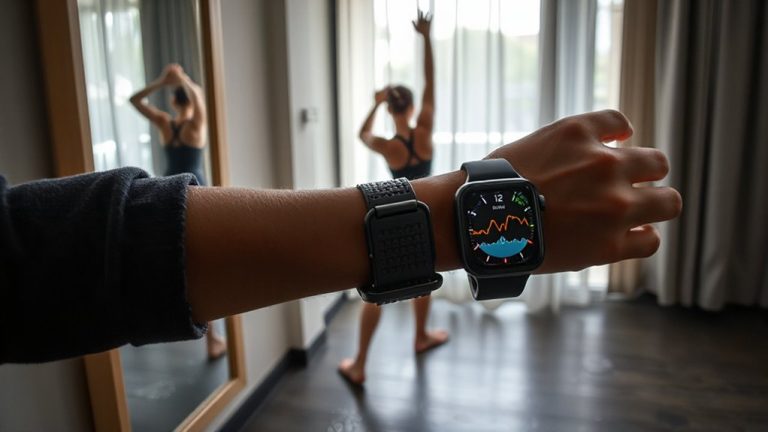
How soon after finishing your meal should you lace up and head out the door? Research suggests 10 to 20 minutes post-meal is ideal for tempering your insulin response. Waiting too long lets blood sugar spike before activity helps, while walking too soon might cause discomfort, especially after larger meals. Proper meal timing aligns with your body’s metabolic rhythm, making this brief delay strategic. Light to moderate walking at this point encourages muscle glucose uptake without taxing your digestive system. Fitness trackers with glucose monitoring can help pinpoint your ideal window by showing real-time trends in your insulin response. Well-designed walking shoes with responsive cushioning enhance comfort during these post-meal strolls, promoting consistency. Prioritize breathable, flexible footwear to support repeated use. Though gear matters, the real benefit lies in timing-syncing movement with digestion sharpens metabolic control without strain.
How Long to Walk After Meals to Prevent Sugar Spikes
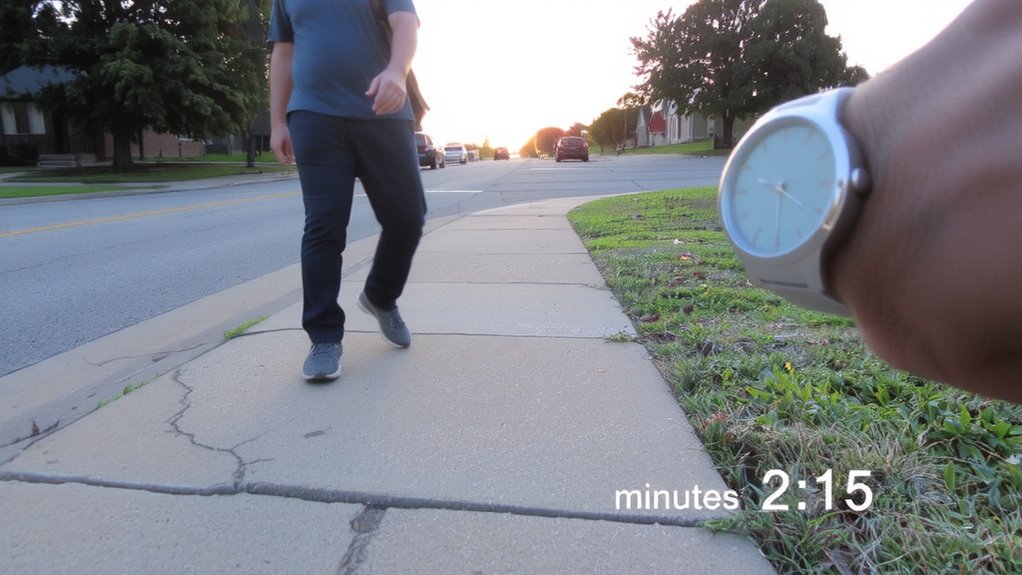
Since your body’s ability to regulate blood glucose depends heavily on muscle activity, walking for at least 10 to 15 minutes after eating can markedly reduce post-meal sugar spikes. Research suggests this is the ideal duration to trigger glucose uptake without overexertion. Going longer helps, but the benefits plateau after 20 minutes for most people. Walking intensity matters-aim for light to moderate effort, where you can talk but not sing. This level effectively activates muscles without spiking stress hormones.
| Walking Duration | Effect on Glucose |
|---|---|
| 10 minutes | Noticeable spike reduction |
| 15 minutes | Stronger glucose control |
| 20 minutes | Maximal benefit for most |
| >20 minutes | Diminishing returns |
Wear supportive footwear to maintain consistent walking intensity and protect joints, especially during daily post-meal walks.
Which Meals Respond Best to Walking After Eating?
Why do some meals cause sharper glucose spikes than others-and why does walking after certain meals make a bigger difference? It comes down to meal timing and your body’s insulin sensitivity. You’re typically most insulin sensitive in the morning, so walking after breakfast may not blunt spikes as dramatically as you’d expect. Lunch and dinner, however, often contain more carbs and fats, creating higher glucose surges when insulin sensitivity dips later in the day. That’s when post-meal walking shines. Research shows that ambulation after these larger, later meals results in considerably lower blood sugar excursions. You’ll get the most metabolic bang for your effort when you walk after lunch or dinner-especially if your evening meal is rich in refined carbs. Strategic movement during these windows improves glucose control more consistently than after lighter or earlier meals.
Easy Tricks to Turn Post-Meal Walks Into a Daily Habit
Isn’t it frustrating how hard it is to keep a simple habit like walking after meals-especially when you know it helps? The trick lies in consistency, not intensity. Start small-just five minutes post-meal-and gradually build duration. Use habit tracking apps or a journal to note each walk; visual progress offers a real motivation boost. Pair walking with a daily cue, like clearing the table, so it becomes automatic. Wear comfortable, breathable footwear designed for short ambulations-proper fitness recovery gear supports joint alignment and encourages regular use. Lightweight, moisture-wicking socks prevent irritation during even brief walks. Over time, these micro-walks improve insulin sensitivity far more than sporadic long strolls. The right gear and tracking method transform effort into routine. It’s not about performance; it’s about sustainable, daily movement that supports metabolic health. Stick with it, and the benefits compound.
On a final note
You’re likely to see real benefits from post-meal walking, especially when done consistently 10 to 15 minutes after eating. Just 10–20 minutes helps blunt insulin spikes, particularly after carb-heavy meals like lunch or dinner. It’s a simple, equipment-free strategy backed by metabolic research. While fitness trackers can monitor your activity and progress, the real advantage lies in routine-not gear. This habit supports long-term glucose control, making it a practical, science-based move for metabolic health.