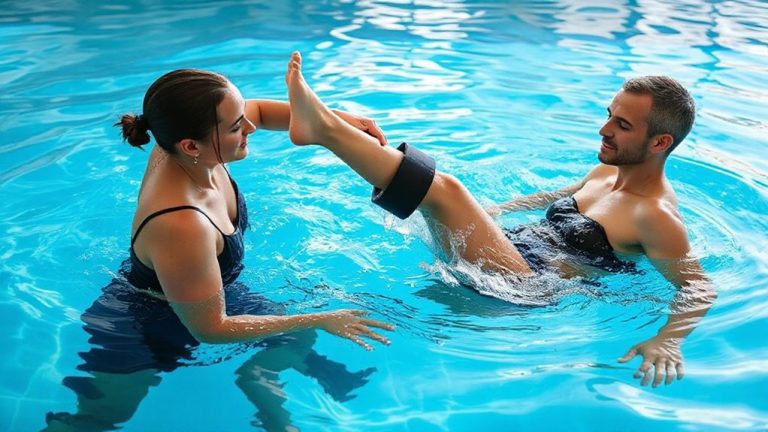
Applying the Pomodoro Method to Training Blocks—25 Minutes Work, 5 Minutes Stillness—for Enhanced Concentration in Rowers
You train hard, but without mental recovery, focus fades like strength after sprint. Try 25-minute blocks-long enough to build neural drive, short enough to avoid cognitive drain. Pair each with 5 minutes of stillness: breathe, reset, and sharpen awareness. This rhythm boosts concentration, reduces cortisol spikes, and strengthens mental endurance. It’s not just interval training-it’s neuroplasticity in action. Smart recovery isn’t passive; it’s when your brain consolidates focus, preparing for what comes next.
Notable Insights
- The Pomodoro Method aligns with the brain’s focus span, optimizing mental engagement during rowing training blocks.
- Twenty-five-minute work intervals support sustained concentration without triggering cognitive fatigue or mental depletion.
- Five-minute stillness breaks enable active neural recovery, enhancing focus and reducing mental burnout.
- Structured intervals improve technique retention by pairing deliberate practice with mindful recalibration.
- Applying Pomodoro to erg and on-water sessions boosts cognitive endurance and stroke consistency.
Why the Pomodoro Method Works for Rowers
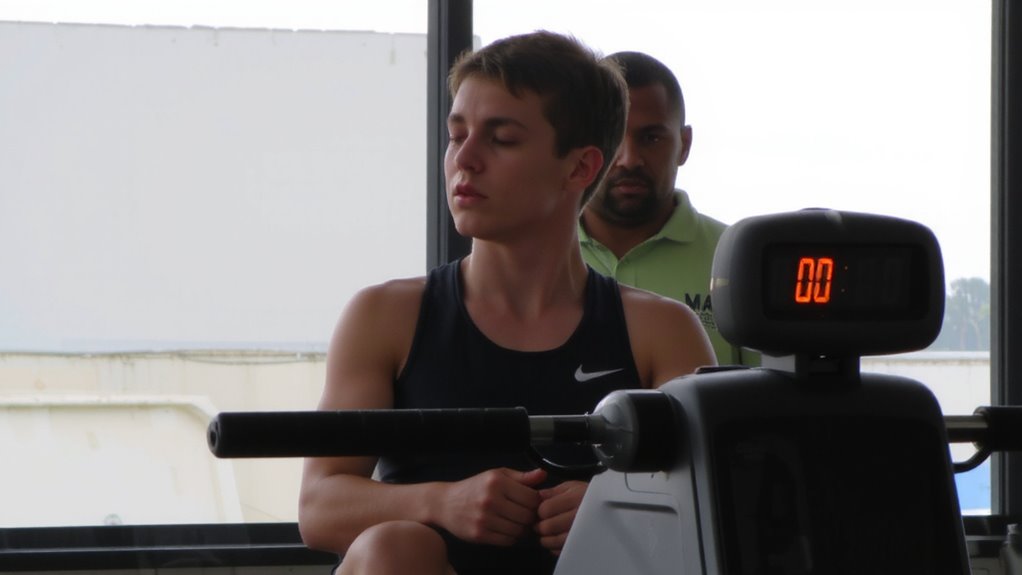
While your focus may usually be on stroke rate and erg scores, the mental side of rowing-especially recovery between intense sessions-often gets overlooked, and that’s where the Pomodoro Method shines. You’re not just resting your body during those five-minute breaks; you’re enabling neuroplasticity adaptation by giving your brain time to reset and reorganize. This structured stillness supports cognitive endurance, much like tapering does for physical performance. Think of it as mental cooldown gear-essential, but often skipped. The intervals condition your mind to sustain focus without burnout, mirroring how periodized training builds physical resilience. Recovery isn’t passive here; it’s active recalibration. Over time, this method trains your brain to switch efficiently between effort and restoration. Unlike flashy fitness gear, the Pomodoro Method offers invisible, internal upgrades-proven, low-cost, and fundamental. It’s not about more gear, but smarter recovery: precise, repeatable, and rooted in how your brain actually adapts.
How 25-Minute Blocks Sharpen Rowing Focus
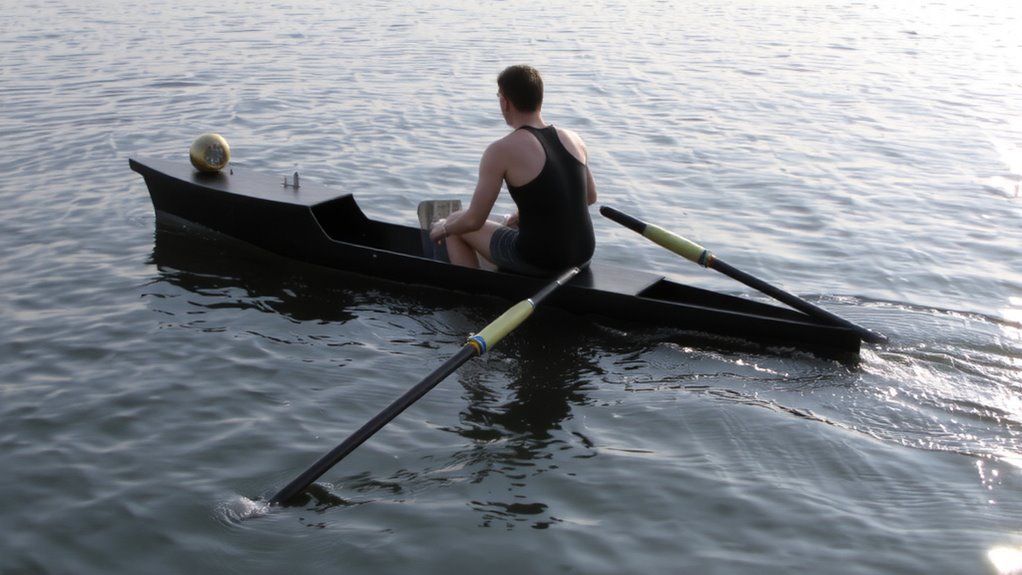
You’re already giving your brain the chance to reset between efforts with structured breaks, much like the recovery phases in your training plan that prevent physical burnout. The 25-minute work block aligns with your brain’s natural focus span, letting you train intensely without tipping into cognitive fatigue. This duration is long enough to foster neural adaptation-your brain learns to stay sharp under demand-but short enough to avoid mental depletion. Rowers using this method report clearer technique execution and better rhythm awareness, likely because sustained attention improves stroke consistency. Unlike longer, unfocused sessions, these blocks demand deliberate practice, reinforcing muscle memory efficiently. It’s not just about timing; it’s about optimizing mental stamina. When you limit focus to 25 minutes, you protect performance quality, letting your mind operate at peak capacity each round. This strategic pacing mirrors how recovery gear in training preserves physical output-here, time management becomes mental gear.
Use 5-Minute Breaks to Reset Mentally
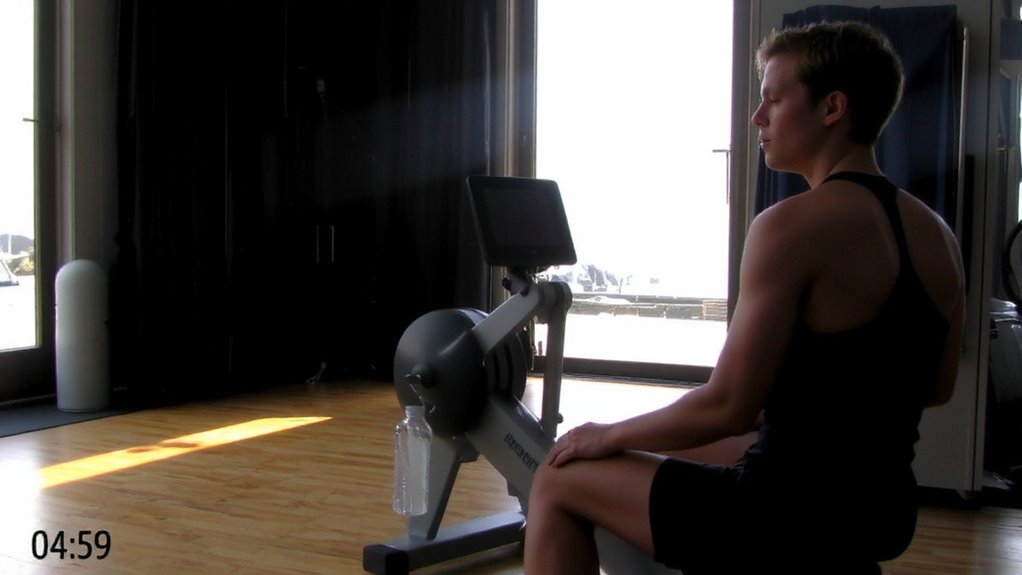
Why do the sharpest rowers insist on stepping away for just five minutes? Because those moments of stillness aren’t idle-they’re strategic. Use your 5-minute breaks to reset mentally through mindful breathing and sensory awareness. Inhale slowly, exhale with control, and tune into the sounds around you: water lapping, breath rhythm, oar rests settling. This brief disengagement enhances neural recovery, improving focus for the next block. It’s not about rest alone, but intentional recalibration.
| Mental State | During Break (with practice) |
|---|---|
| Focus | Replenished |
| Stress | Reduced via mindful breathing |
| Sensory awareness | Sharpened |
These short pauses improve long-term concentration more than passive sitting ever could. Fitness recovery isn’t just physical-your mind rows harder when it’s reset.
Pomodoro for Erg and On-Water Sessions
A well-structured Pomodoro plan transforms both erg and on-water sessions into precision tools for fitness recovery and performance gains. During erg sessions, 25-minute focused intervals sharpen erg technique by limiting mental fatigue-each segment lets you drill sequencing, catch timing, and drive consistency. The 5-minute stillness resets your neuromuscular focus so you return sharper. On the water, these blocks sync with natural on water rhythm, letting you internalize stroke feel and boat feedback without overload. You maintain higher concentration per stroke, which improves technique retention and reduces wasted effort. Unlike long, unbroken efforts, timed focus periods enhance recovery *during* training by preventing systemic strain. The method doesn’t just manage time-it shapes how you absorb load, refine motion, and restore balance within a single workout. Consistent use builds resilience, accelerates skill integration, and aligns physical output with mental readiness-essential for peak rowing performance.
How Timed Intervals Reduce Mental Burnout
Structured intervals do more than sharpen technique-they act as a buffer against the mental fatigue that often derails consistent training. When you row in focused 25-minute blocks, your mind stays engaged without being overwhelmed. These timed segments create natural pauses, giving you a chance to reset mentally-this is cognitive recovery in action. Instead of pushing through exhaustion, you’re working with your brain’s limits, making each session more sustainable. Brief 5-minute stillness periods allow your nervous system to decompress, reducing cortisol spikes linked to prolonged strain. Over time, this rhythm builds mental resilience. Unlike marathon training stretches that deepen mental fatigue, the Pomodoro approach enhances clarity and motivation. It’s not just about physical output; it’s about preserving focus and emotional balance. Rowers report feeling sharper, less drained, and more in control-proof that structured rest isn’t lost time, but an essential part of elite recovery.
On a final note
You’re applying the Pomodoro method effectively by syncing 25-minute training blocks with 5-minute pauses, boosting mental clarity and physical precision. This rhythm combats fatigue, sharpens focus during erg and on-water sessions, and supports recovery by preventing cognitive overload. Timed intervals aren’t just about work-they’re about intentional rest. When paired with reliable fitness gear designed for durability and comfort, the method enhances both performance and recovery, making it a practical, science-backed strategy for serious rowers.