Optimizing Delayed Onset Muscle Soreness Symptoms: Techniques for Managing Discomfort During Critical Recovery Periods
You’ll feel DOMS 12–24 hours after tough workouts, especially with eccentric moves like downhill running. It peaks at 48 hours but eases within 3–5 days if managed well. Light activity boosts blood flow and cuts soreness by up to 50%, while proper refueling with protein and carbs within 60 minutes speeds recovery. Use cold early to reduce inflammation, then heat after 48 hours for better circulation. Stretch gently and try foam rolling or massage to support tissue repair. Ignoring sharp or lasting pain risks injury, so listen closely to your body’s signals-there’s more to optimizing recovery than just timing.
Notable Insights
- Engage in light aerobic activity within 24–48 hours post-exercise to enhance blood flow and reduce DOMS severity.
- Apply cold therapy immediately after intense exercise and switch to heat after 48 hours to support recovery.
- Perform gentle dynamic stretching or yoga to maintain mobility and alleviate muscle stiffness.
- Consume a balanced mix of protein and carbohydrates within 30–60 minutes post-workout to accelerate muscle repair.
- Use foam rolling or massage regularly to decrease muscle tension and improve circulation during recovery.
What Is Delayed Onset Muscle Soreness (DOMS)?
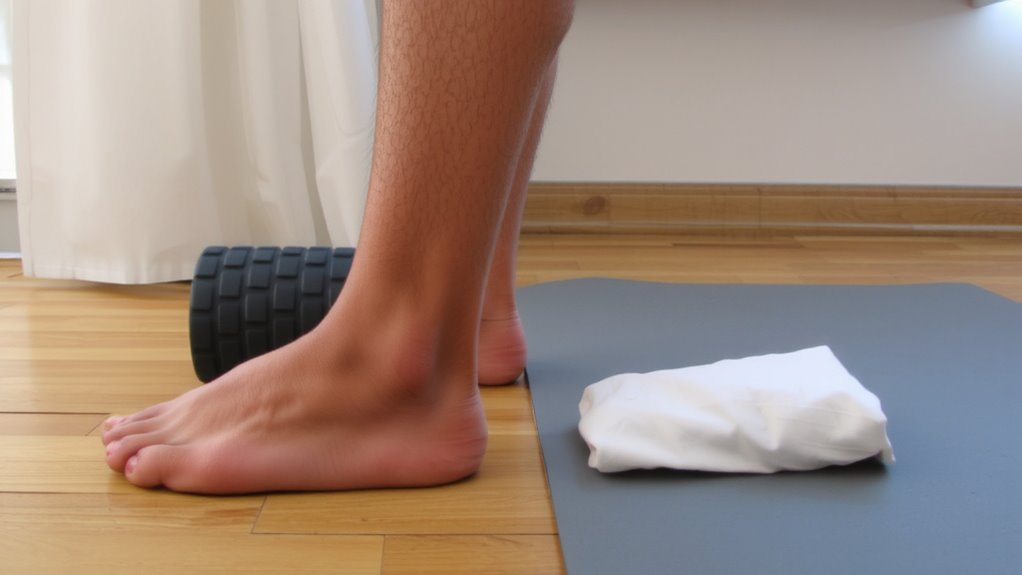
Muscle ache after a tough workout? That’s likely delayed onset muscle soreness (DOMS), a common outcome when you push your limits. You’re not dealing with injury-it’s your body responding to unfamiliar exertion. DOMS typically sets in 12–24 hours post-exercise, stemming from microscopic damage to muscle fibers. This triggers an inflammation response, part of the natural healing process. You’ll notice stiffness, tenderness, and temporary muscle fatigue, especially after eccentric movements like downhill running or heavy lifting. While uncomfortable, DOMS indicates adaptation-your muscles are rebuilding stronger. Recovery tools like compression gear or foam rollers may ease symptoms by supporting circulation and reducing stiffness. Though they don’t prevent DOMS entirely, their practical design helps manage discomfort. Embrace the soreness as feedback: your training’s working. Smart recovery isn’t about avoiding DOMS-it’s about responding effectively, letting your body adapt without compromising long-term progress. Top-rated devices such as percussion massagers can further aid muscle recovery by improving blood flow and reducing inflammation, with best muscle recovery devices offering targeted relief during critical recovery periods.
How Long Does DOMS Last? When Should You Worry?
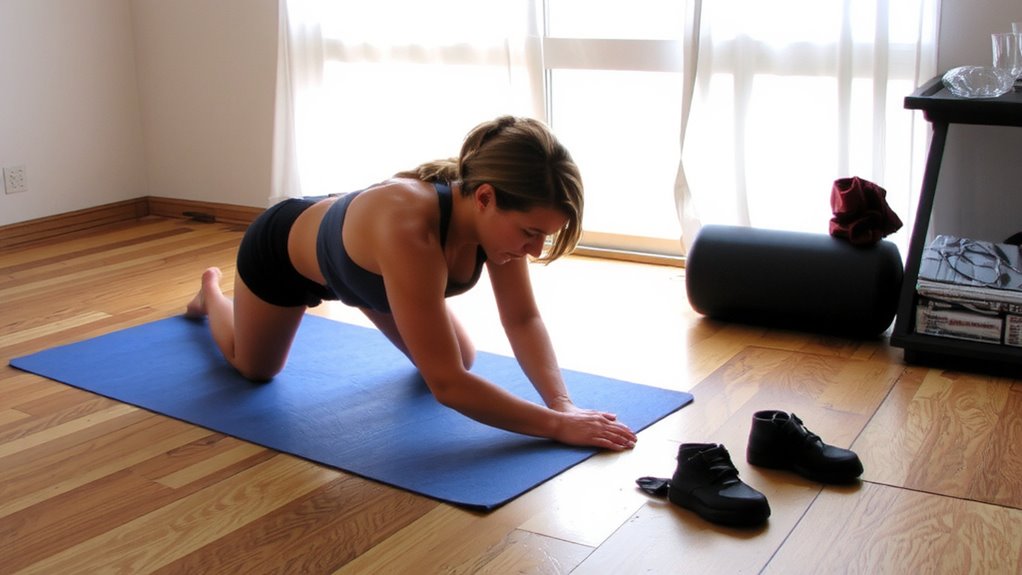
How long should you expect those aching muscles to slow you down after a hard session? DOMS typically kicks in 12–24 hours post-exercise, peaking at 48 hours and fading within 72. Most soreness resolves in 3 to 5 days, though duration varies. Genetic factors influence your susceptibility-some recover faster due to biological predispositions. The psychological impact of prolonged soreness can affect motivation and consistency, especially in intense training phases. While mild to moderate DOMS is normal, sharp or lasting pain beyond a week warrants attention. Consider the table below for clarity:
| Duration | Interpretation |
|---|---|
| 12–24 hrs | Onset begins |
| 24–48 hrs | Peak discomfort |
| 3–5 days | Typical recovery window |
| >7 days | Possible overexertion or injury |
| Recurring | Evaluate training load and genetics |
Persistent symptoms may signal poor recovery strategies or underlying issues. Incorporating targeted recovery tools can enhance muscle repair and reduce discomfort during critical recovery periods.
Use Light Movement to Ease DOMS
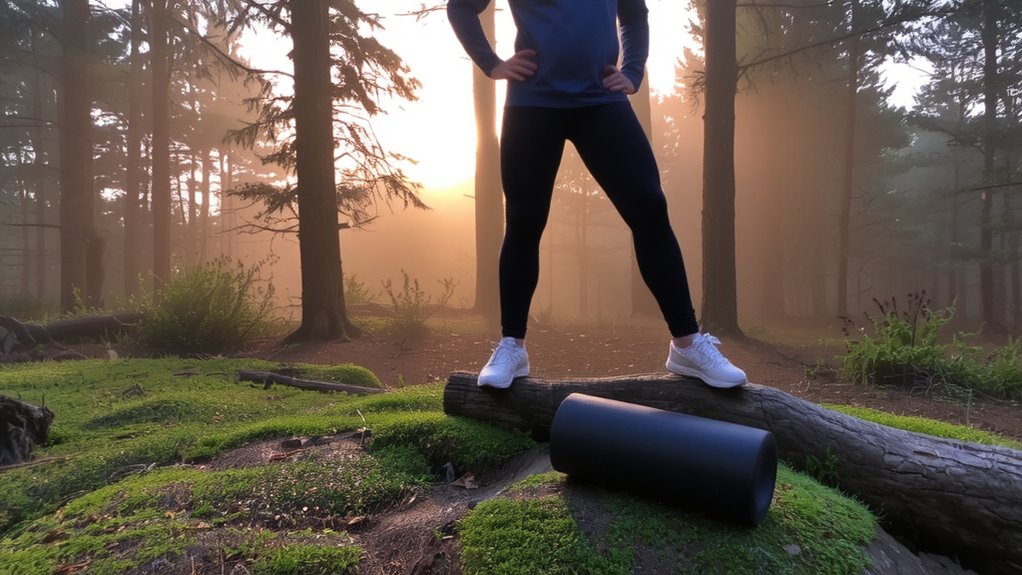
Movement, when timed and tailored right, becomes one of your best tools for dialing down DOMS. You don’t need intense workouts-instead, light activity like walking, cycling, or swimming boosts blood flow without adding muscle damage. This is active recovery: structured movement that aids repair, not strain. Gentle mobility work, such as dynamic stretching or yoga, helps restore range of motion and reduces stiffness. Studies show these methods can lessen soreness by up to 50% when done within 24–48 hours post-exercise. Unlike passive rest, active recovery keeps tissues elastic and metabolic waste moving. You’ll find relief not from inactivity, but from smart, low-impact motion. Top fitness trackers now include recovery prompts, guiding your movement dose. Foam rollers and mobility bands support this phase, but technique matters more than gear. Prioritize consistency over intensity; even ten minutes helps. Used wisely, light movement accelerates healing while preparing you for the next session. Choosing the right foam roller density can significantly impact the effectiveness of your recovery routine.
Refuel to Reduce Muscle Soreness
A proper recovery routine after intense training hinges on more than stretching or rest-it starts with what you eat and drink in the hours following exertion. Refueling effectively supports muscle nutrition by replenishing glycogen stores and providing amino acids needed for repair. Consuming a mix of carbs and protein within 30 to 60 minutes post-workout has been shown to accelerate recovery, reducing DOMS severity. Casein or whey? Both work, though whey’s fast absorption makes it ideal right after training. Recovery hydration is equally essential-fluids help transport nutrients and maintain cellular function. Dehydration amplifies soreness and slows healing. A balanced recovery drink with electrolytes, carbs, and protein offers practical advantages over water alone. While fitness gear like compression wear may provide modest benefits, it’s no substitute for solid recovery nutrition and hydration. What you consume post-exercise directly impacts your readiness for the next session.
Stretch to Ease Soreness
While stretching won’t erase soreness completely, it can help ease discomfort by improving blood flow and restoring range of motion to tightened muscles. You’ll benefit most from dynamic stretching, which gently activates muscles through movement rather than holding static positions. This type of flexibility training increases circulation and reduces stiffness without overloading fatigued tissue. Incorporating routines like leg swings, arm circles, or walking lunges into your recovery helps maintain mobility and prepares muscles for future effort. Though static stretches are common, they’re less effective post-exercise and may irritate sensitive muscle fibers if done too soon. Instead, prioritize dynamic stretching during recovery phases to support long-term flexibility training goals. Consistent use enhances neuromuscular coordination and minimizes the risk of compensatory movement patterns. While no substitute for proper rest, these techniques complement overall fitness recovery, especially when paired with well-designed gear that supports freedom of motion.
Use Cold, Heat, and Massage Wisely
You’ve stretched to restore mobility and reduce stiffness, but managing muscle soreness doesn’t stop there. You can speed recovery by using cold, heat, and massage wisely. Ice therapy right after intense exercise helps reduce inflammation-apply it for 15–20 minutes to sore areas, but don’t overdo it; too much cold slows healing. After 48 hours, switch to heat to boost blood flow and relax tight tissues. Massage increases circulation and eases knots, especially when paired with muscle compression tools like foam rollers or recovery boots. These devices mimic massage and improve lymphatic drainage, supporting faster repair. Quality compression gear should offer adjustable pressure and targeted zones. While not miracle solutions, used correctly, ice therapy and muscle compression are effective recovery allies. They complement movement-based recovery, reduce discomfort, and promote consistent training readiness-when applied based on timing and need.
Know When to Resume Training
How do you know when it’s really safe to jump back into training after soreness sets in? It all comes down to smart training timing and recognizing true readiness indicators. Delayed onset muscle soreness (DOMS) typically peaks at 24–72 hours post-exercise. Resuming too early risks injury; waiting too long may stall progress. Use the following table to assess recovery:
| Soreness Level | Mobility | Recommended Action |
|---|---|---|
| Mild | Normal | Light activity |
| Moderate | Slight restriction | Active recovery |
| Severe | Limited | Rest only |
Pain-free movement and restored strength are key readiness indicators. If you can perform movement patterns without compensating, you’re likely ready. Don’t rely solely on calendar days-listen to your body. Proper training timing balances effort and recovery, ensuring sustainable gains without overtraining.
On a final note
You’ll find DOMS is normal, usually easing within 72 hours. Light movement, proper refueling with protein and carbs, and gentle stretching help speed recovery. Cold therapy reduces acute inflammation, while heat improves blood flow later on. Foam rolling or massage may also support muscle repair. Most recovery gear-like compression wear or massage guns-offers mild benefits but isn’t essential. Smart, consistent habits beat gadgets. Resume training when pain fades and mobility returns-rushing risks injury.