Contrasting Passive Static Stretching With Gentle Yoga Flow for Optimal Autonomic Balance in Ballet-Inspired Conditioning
You’re likely over-relying on passive static stretching, which can tip your nervous system into parasympathetic overshoot, leaving you drained and less responsive. Gentle yoga flow, with breath-coordinated movement, offers a smarter path-gradually guiding your autonomic system toward balance. It supports neural engagement, enhances recovery, and aligns better with the demands of ballet-inspired conditioning. For ideal resilience, timing and method matter-and what comes next reshapes recovery effectiveness.
Notable Insights
- Gentle yoga flow promotes balanced autonomic regulation by synchronizing breath and movement to support parasympathetic dominance without blunting sympathetic tone.
- Passive static stretching can cause parasympathetic overshoot, reducing alertness and impairing performance readiness in dancers.
- Yoga flow enhances neuromuscular engagement and proprioception, supporting recovery with functional range of motion and neural resilience.
- Static stretching is best reserved for cool-downs, as pre-training use may decrease muscle power and hinder explosive performance.
- Sequential use of yoga flow before training and static stretching after optimizes autonomic balance and injury prevention in ballet-inspired conditioning.
Why Dancers Need Autonomic Balance
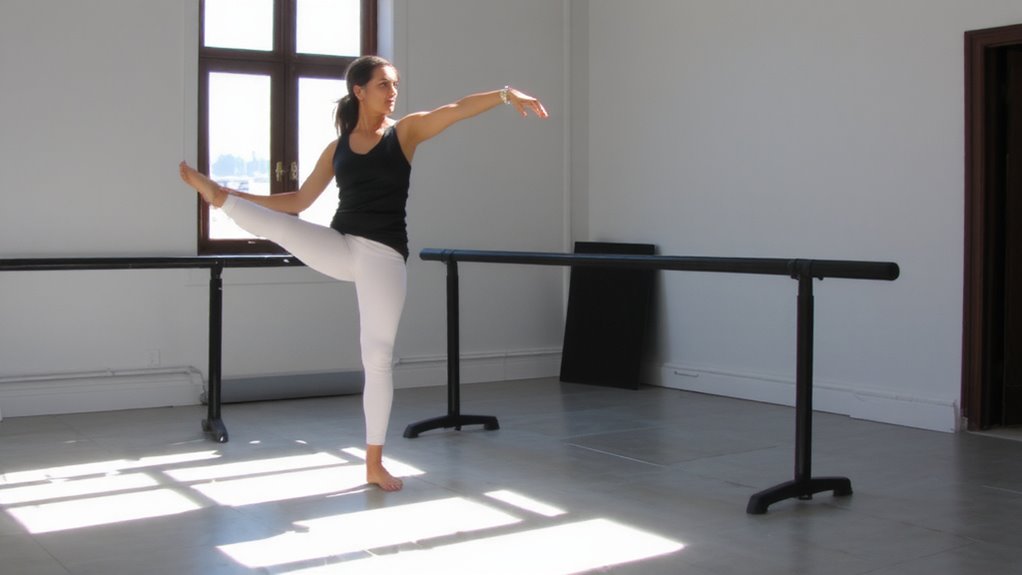
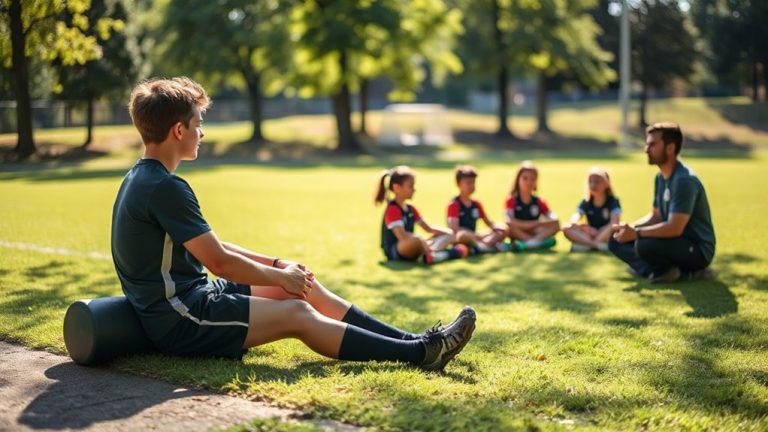
You’ve probably felt it after a long rehearsal-your muscles tight, your breath shallow, that lingering sense of being “wired” even when you’re exhausted. That’s autonomic imbalance: your sympathetic nervous system stuck in overdrive. For dancers, this isn’t just uncomfortable-it undermines performance and recovery. Without autonomic balance, both neurological resilience and emotional regulation suffer, making it harder to adapt to stress, focus under pressure, or bounce back mentally and physically. Unlike passive stretching, gentle yoga flow actively engages breath and movement to shift dominance from sympathetic to parasympathetic activity. This isn’t about flexibility alone; it’s about training your nervous system. Fitness recovery gear like foam rollers or compression wear can support tissue repair, but they don’t recalibrate your autonomic state. Only mindful movement practices do-making yoga not just complementary, but essential in a dancer’s regimen.
Does Stretching Calm You Too Much?
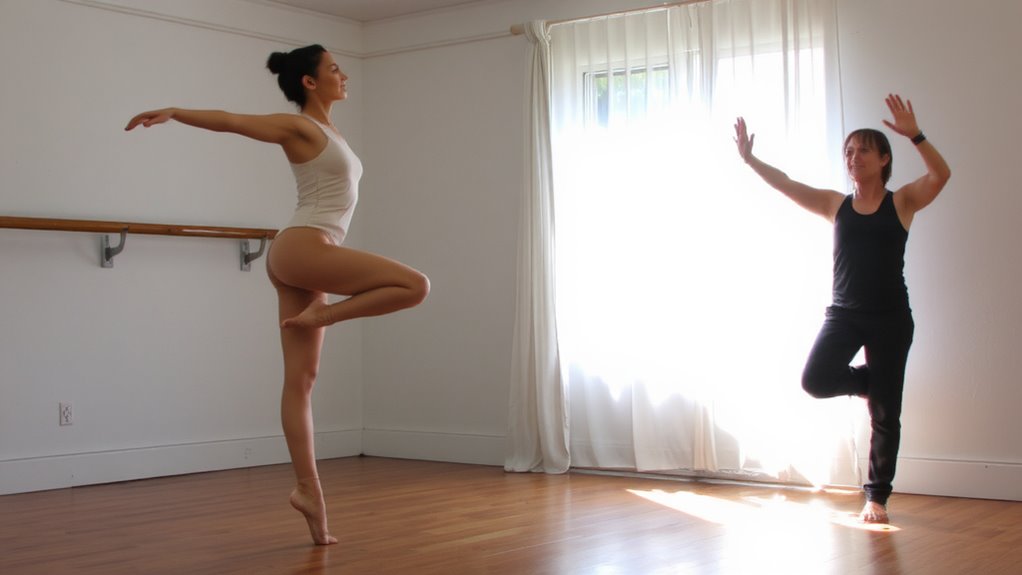
Could stretching ever do too much when it comes to calming the nervous system? Yes-especially with prolonged passive static stretching, which can tip you into *parasympathetic overshoot*. This state blunts alertness and may contribute to *neural fatigue*, leaving you sluggish instead of refreshed. While calming isn’t inherently bad, excessive downregulation hampers performance readiness. Gentle yoga flow, by contrast, modulates autonomic activity more evenly. Below is a comparison of responses to each practice:
| Factor | Passive Stretching | Gentle Yoga Flow |
|---|---|---|
| Autonomic Response | Strong parasympathetic | Balanced |
| Neural Engagement | Low, risks neural fatigue | Moderate, sustained |
| Recovery Integration | High risk of overshoot | Ideal for rhythm |
Yoga’s mindful movement supports recovery *without* dulling the nervous system’s responsiveness-key for dancers needing both restoration and readiness.
When Overstretching Triggers Recovery Burnout
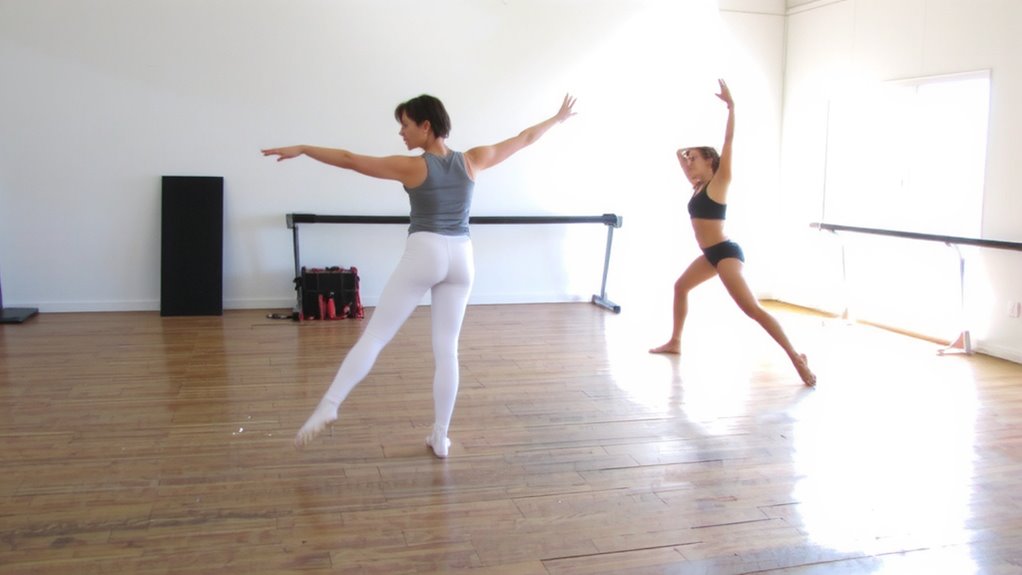
While passive stretching aims to relax the body, pushing too far into end-range positions without neuromuscular engagement can undermine recovery by triggering autonomic imbalance. You may think you’re helping your muscles unwind, but overstretching often leads to nervous system fatigue, especially when done daily without mindful modulation. Instead of promoting restoration, it creates recovery overstimulation-your system remains in a heightened state of repair demand, never quite switching into true parasympathetic dominance. This is particularly risky in ballet-inspired conditioning, where joint hypermobility and repetitive strain already challenge stability. Without sufficient proprioceptive feedback during passive holds, connective tissues endure microtrauma masked as flexibility gains. Over time, this dulls neuromuscular responsiveness and slows recovery cycles. Rather than enhancing resilience, excessive static stretching becomes a hidden stressor, depleting adaptive reserves. Smart recovery isn’t just about stretching-it’s about strategic nervous system management.
Yoga Flow vs. Static Stretch: Which Balances Your Nervous System Better?
How do your recovery sessions truly influence autonomic function-does that slow stretch actually calm your nervous system, or could it be keeping you subtly on edge? While passive static stretching may boost flexibility, it sometimes triggers low-level nervous tension, especially if held too long or too intensely. In contrast, a gentle yoga flow emphasizes breath rhythm and movement synergy, promoting smoother autonomic shifts. You’re not just lengthening muscles-you’re signaling safety to your system. The coordination of inhales with extension and exhales during folds supports parasympathetic dominance more effectively than stillness alone. Recovery-focused yoga sequences, especially those aligned with ballet-inspired demands, integrate controlled tempo and neuromuscular feedback that static holds often lack. Breath rhythm becomes a regulator, while movement synergy enhances circulation without strain. For nervous system balance, gentle flow doesn’t just feel better-it performs better. It’s not about intensity, but intelligent design. A well-designed stretching strap can enhance precision in both practices, allowing for optimal stretch alignment without compromising form.
How HRV Reveals the Best Cool-Down
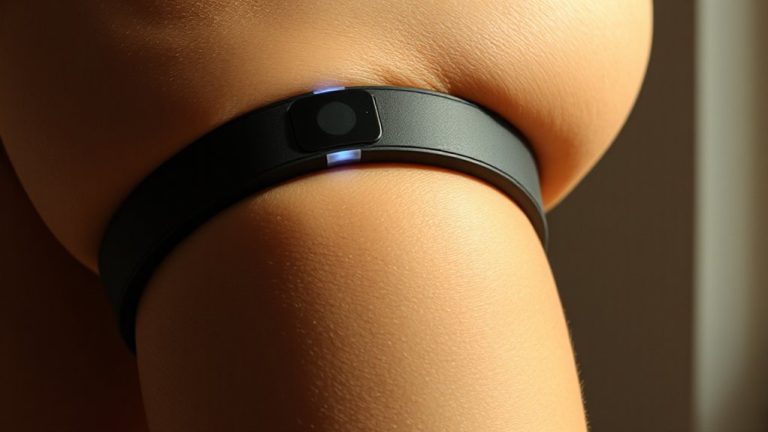
Your nervous system’s response to recovery isn’t just felt-it’s measurable, and that’s where heart rate variability (HRV) comes in. HRV monitoring gives you real-time insight into how well your body is balancing stress and repair, especially after ballet-inspired training. When you use gentle yoga flow as a cool-down, studies show greater improvements in HRV compared to passive static stretching, suggesting superior recovery alignment. This isn’t just about flexibility-it’s about autonomic resilience. Devices like chest-strap monitors or wrist-based trackers make HRV monitoring accessible, letting you track trends over time with minimal effort. You’ll notice that on days you prioritize mindful movement, your HRV scores rise, signaling efficient parasympathetic reactivation. Passive stretching still has value, but if your goal is nervous system balance, yoga flow better supports recovery alignment. Consistent use of accurate gear guarantees reliable data, helping you fine-tune cooldowns without guesswork.
Match Your Cooldown to Your Training Load
If your training session pushed your limits, then your cooldown should reflect that effort-light static stretches won’t suffice after high-intensity or mentally taxing workouts, especially when autonomic balance is the goal. Your recovery timing needs to align with your training intensity to effectively regulate the nervous system. High-intensity ballet conditioning demands more than passive stretching; it requires movement-based recovery like gentle yoga flows that support parasympathetic reactivation. Static stretching may even prolong autonomic strain if introduced too soon post-exertion. Instead, guided breath-synchronized motions help modulate heart rate variability and accelerate recovery. Ignoring this match risks delayed restoration and diminished performance gains. You’re not just cooling down-you’re signaling safety to your system. Smart cooldowns respect the physiological load you’ve accumulated, making recovery timing as essential as the workout itself. Your body’s response depends on it.
Build a Smarter Ballet Recovery Routine
A well-structured cooldown after intense ballet conditioning sets the stage for smarter recovery, but building a truly effective routine goes beyond timing and movement choice-it involves integrating purposeful practices that support both physical and autonomic restoration. You’re better off pairing gentle yoga flow with active recovery than passive static stretching; it sustains low-level circulation without spiking stress markers. Incorporate mindful alignment during shifts to reinforce neuromuscular integrity while calming the nervous system. Tools like textured foam rollers or breath-synchronized movement bands can enhance proprioception, but they’re only effective if used with intention. Recovery isn’t passive-it’s a skill. Prioritize consistency over intensity, and let form guide effort. That means shorter, daily check-ins instead of occasional marathon sessions. Smart recovery blends mobility work, autonomic regulation, and mindful alignment into a routine that adapts with your training load-making progress sustainable, not just impressive.
On a final note
You’re better off choosing gentle yoga flow over passive static stretching for autonomic balance after intense ballet sessions. While static holds may dampen sympathetic activity too much, yoga flow supports parasympathetic reactivation without oversuppressing readiness. HRV data show flow-based cooldowns sustain nervous system equilibrium. Matched to training load, they enhance recovery resilience. For long-term performance and nervous system health, dynamic mindfulness beats passive release-every cooldown becomes a step toward smarter, more sustainable conditioning.