Breath-Centered Recovery Session Combining Wim Hof Method and Static Stretching
You can boost recovery by combining the Wim Hof Method with static stretching. Start with 30 deep breaths, then exhale and hold for as long as comfortable. Immediately move into slow, controlled stretches, holding each for 30–45 seconds while breathing rhythmically. This synergy increases oxygen delivery, lowers cortisol, and shifts your nervous system into rest-and-digest mode. Morning or evening practice enhances circulation and repair-just avoid overbreathing to prevent dizziness. There’s more to optimizing this routine than timing alone.
Notable Insights
- Start with 30 deep Wim Hof breaths to boost oxygen levels and stimulate nervous system balance.
- Perform a full exhalation and hold your breath to enhance cellular oxygenation and trigger recovery responses.
- Immediately transition into static stretches, holding each for 30–45 seconds to release muscle tension.
- Sync stretching with slow, mindful breaths to support parasympathetic activation and muscle relaxation.
- Practice morning or evening to improve recovery, but prioritize consistency over timing for best results.
What Is Breath-Centered Recovery?
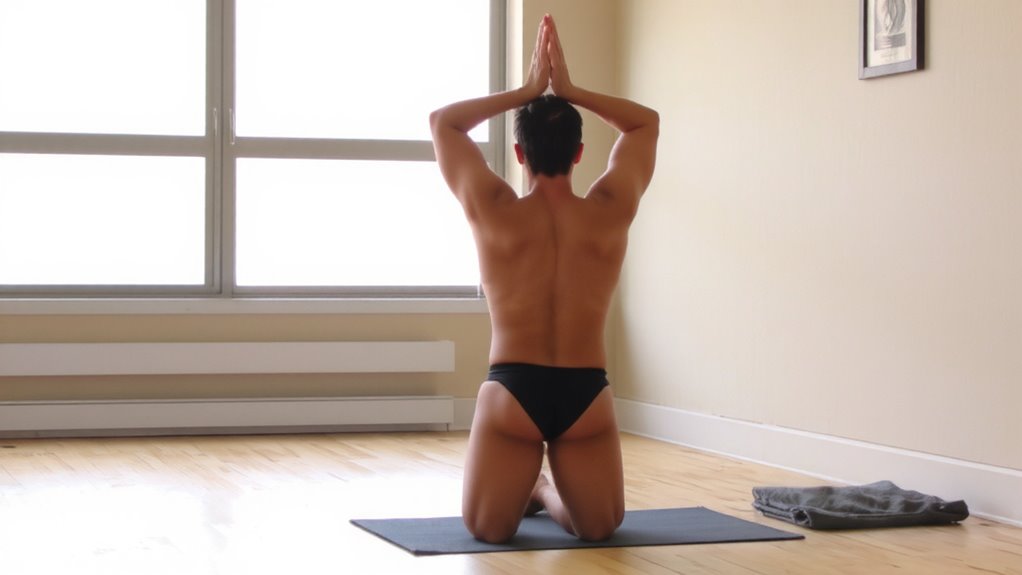
Recovery, at its core, is about returning your body to balance-and breath-centered recovery puts your breathing at the heart of that process. You’re not just resting; you’re actively using breath to guide physiological repair. With mindfulness integration, you stay present, tuning into each inhale and exhale to reduce mental clutter and support nervous system regulation. This isn’t passive-it’s deliberate, structured breathing that fosters energy alignment, helping direct internal resources where they’re needed most. Whether you’re using recovery boots or lying on a foam mat, syncing breath with rest enhances circulation and muscle relaxation. Breath-centered methods complement fitness gear by optimizing biological feedback, making recovery more efficient. It’s not a gimmick; studies show controlled breathing improves heart rate variability and reduces cortisol. When combined with static stretching, this approach amplifies results. You’re not just recovering-you’re recalibrating.
How Wim Hof Breathwork Enhances Recovery
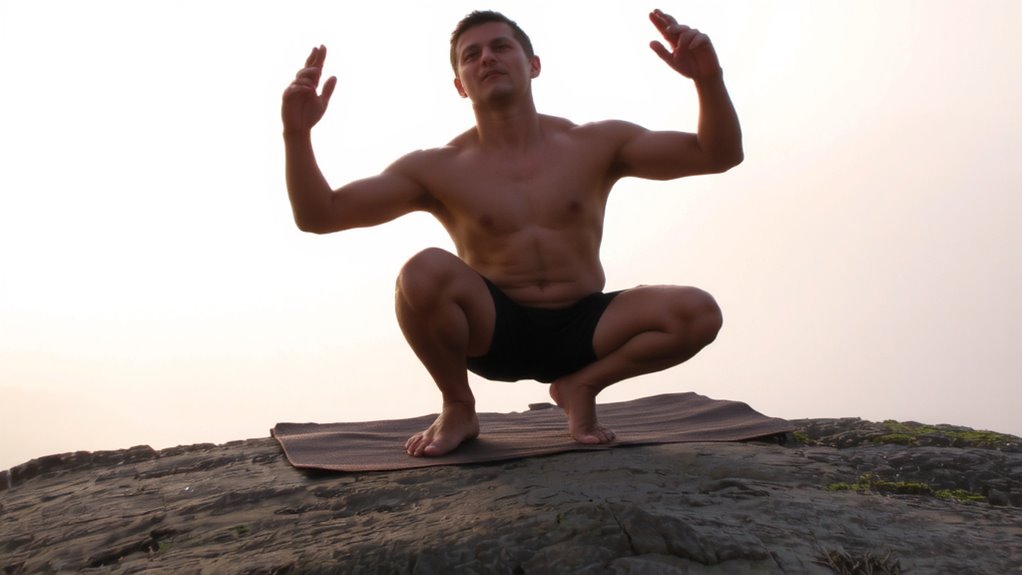
You’ve already seen how intentional breathing works with rest to reset your body, but when it comes to accelerating recovery, few methods match the intensity and measurable impact of Wim Hof breathwork. By performing cyclic hyperventilation followed by breath retention, you dramatically boost oxygen delivery to muscles and tissues. This surge enhances circulation and primes your body for faster cellular repair, essential after intense physical strain. Studies show this practice increases oxygen saturation levels within minutes, supporting metabolic recovery. You’re not just relaxing-you’re triggering physiological shifts that mimic altitude training. The controlled stress from breath holds also stimulates antioxidant production, aiding in reducing inflammation. While specialized fitness gear like nasal strips or oxygen monitors can refine practice, they’re not essential. The method’s real strength lies in its simplicity and immediate availability. When used post-workout, Wim Hof breathing offers a potent, science-backed recovery boost-maximizing oxygen delivery and accelerating recovery at the cellular level.
How Stretching Resets Your Nervous System
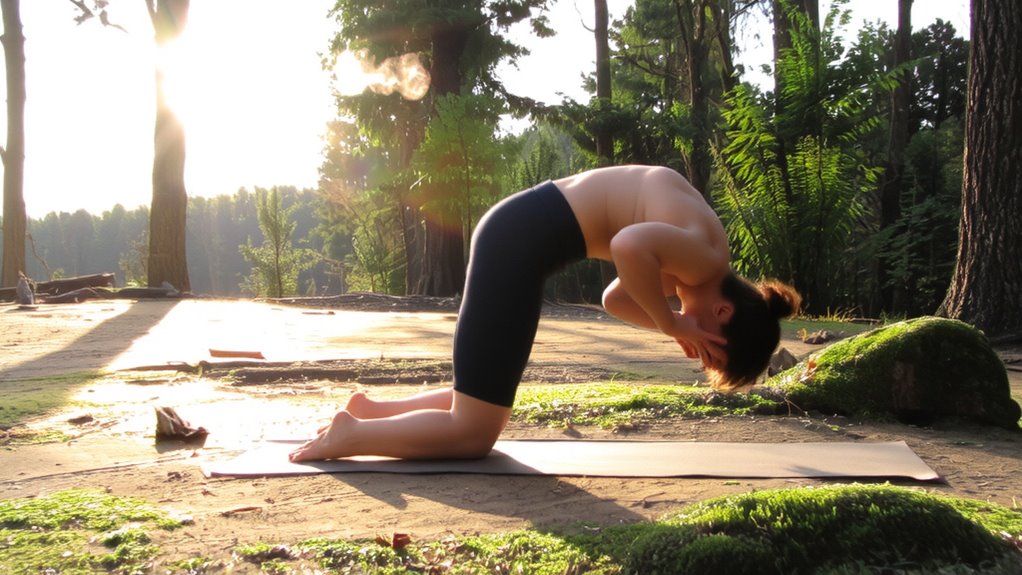
Why does a simple stretch after a workout feel so much more than just a physical release? Because it’s not just your muscles unwinding-it’s your nervous system regulation kicking in. When you stretch mindfully, you signal your body to shift from fight-or-flight to rest-and-digest mode, calming an overstimulated system. Static stretching, especially post-exercise, supports muscle tension release by lengthening contracted fibers and improving blood flow. This isn’t just about flexibility; it’s a neurological reset. The sustained pressure eases somatic tension, which in turn reduces neural noise that builds up during intense activity. Over time, consistent stretching enhances your body’s capacity to recover, making it an essential part of fitness recovery. It’s low-tech, requires no gear, and costs nothing-yet its impact on nervous system regulation is measurable. You’re not just loosening muscles; you’re retraining your body to relax. Top recovery tools like foam rollers and massage guns can complement this process by enhancing circulation and reducing muscle stiffness. Top recovery tools
Combining Breathwork and Stretching: A Step-by-Step Guide
How can two basic practices-breathing and stretching-combine to accelerate recovery more effectively than high-tech gear or expensive supplements? You start with the Wim Hof Method: take 30 deep, rhythmic breaths, then exhale and hold for as long as comfortable. This oxygenates your blood and calms your nervous system. Immediately after, shift into static stretching with slow, controlled movements-this is mindful movement at its best. Maintain each stretch for 30 to 45 seconds, syncing with relaxed breaths. The synergy turns stretching into active recovery, enhancing blood flow and reducing muscle stiffness. Unlike passive rest or flashy recovery tools, this method leverages your body’s physiology. You don’t need compression boots or vibrating rollers-just consistency. The breath primes your system, while stretching delivers targeted release. Together, they form an accessible, science-backed routine that outperforms costly alternatives.
Best Stretches to Follow Wim Hof Breathing
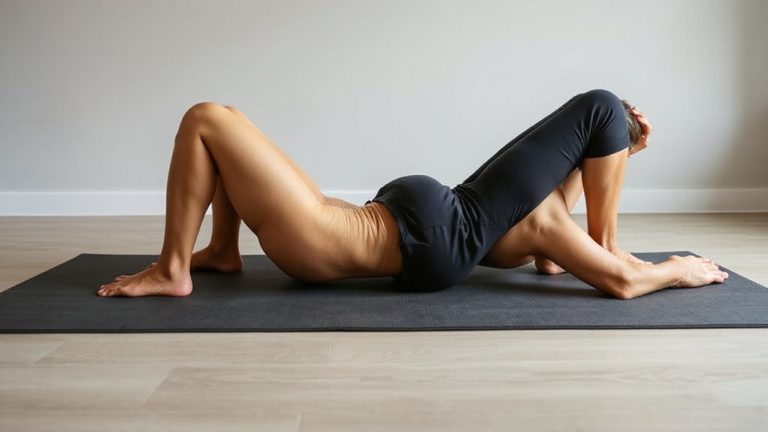
After completing the powerful breathing cycle of the Wim Hof Method, your body is primed with oxygen and shifted toward a parasympathetic state, making it the ideal moment to introduce targeted stretches that enhance recovery. You’ll benefit most from static holds in the neck, shoulders, and hamstrings-areas where tension often pools. Incorporating dynamic tension during movements, like isometric quad pulses or resisted shoulder rolls, boosts neuromuscular engagement and supports active recovery. These stretches don’t just improve flexibility; they signal the nervous system to sustain a calm, regenerative state. Position yourself on a high-density foam mat for joint support and consistent grip, especially during longer holds. A recovery strap can assist in deepening stretches safely, improving form without overexertion. Done right, this combination optimizes circulation and reduces soreness. This sequence isn’t just about relaxation-it’s structured active recovery that aligns breath, tension, and movement for measurable results.
Best Times to Practice for Recovery Results
When should you time your breath and stretch routine for maximum recovery impact? For many, integrating the session into a morning routine jump-starts circulation, elevates mood, and primes the nervous system for the day. The Wim Hof breathwork spikes oxygen saturation, while static stretching releases nighttime muscle tension-making it a potent combo to begin with clarity and mobility. On the other hand, an evening wind down with slower breath cycles and gentle holds supports parasympathetic activation, aiding sleep quality and overnight repair. Though morning practice boosts alertness and metabolic engagement, evening use often delivers deeper recovery benefits, especially after intense training. Timing depends on your goals: metabolic activation favors mornings, while tissue regeneration leans toward night. Either way, consistency matters more than clock time-align the practice with your natural rhythm for sustained recovery results.
5 Breath-Centered Recovery Mistakes to Avoid
You’ve likely heard that timing your breath and stretch routine can influence recovery, whether you’re kick-starting your morning or unwinding at night. But even with perfect timing, mistakes can hinder progress. One common issue is overbreathing risks during the Wim Hof cycles-rapid, deep breaths that, if prolonged, may cause dizziness or tingling due to lowered CO₂ levels. You might push too hard, thinking more breaths equal better results, but this disrupts pH balance and stresses the nervous system. Another critical error lies in breath retention dangers, especially after hyperventilating. Holding your breath too long increases blackout risk, particularly if practiced lying down or near water. Beginners often overlook body signals, treating the method like a challenge rather than a recovery tool. Pairing breath work with static stretching requires patience-rushing undermines flexibility gains. Use a mat with proper grip and wear breathable gear to stay stable and comfortable, ensuring your setup supports mindful, safe practice.
On a final note
You’ll find breath-centered recovery effective when combining Wim Hof breathing with static stretching, as it lowers cortisol and improves parasympathetic tone. This method boosts circulation and muscle relaxation more than passive rest. Used consistently, it supports faster recovery and greater mobility. Pair it with quality fitness gear-like a supportive mat and moisture-wicking apparel-for ideal performance and durability over time. Avoid common errors, and you’ll see measurable gains in recovery efficiency and overall resilience.