Integrating Recovery Education Into Youth Sports Development Programs
You’re shaping resilient athletes when you integrate recovery education into youth sports. Teaching sleep hygiene, hydration, and active recovery prevents burnout and builds mental toughness. Use age-appropriate tools like foam rollers and breathwork, and model routines consistently-coaches, your actions speak louder than words. Monitor mood and fatigue to catch overtraining early. When recovery becomes routine, performance and well-being improve together-there’s a smarter way to develop champions, and it starts with rest.
Notable Insights
- Teach age-appropriate recovery techniques by aligning methods with athletes’ physical and cognitive development levels.
- Integrate structured recovery education into existing training schedules to ensure consistent habit formation.
- Use playful, active recovery activities for younger athletes to build engagement and understanding.
- Train coaches to model and teach proper recovery practices, enhancing credibility and cultural adoption.
- Combine hydration, sleep hygiene, and mental resilience strategies to support long-term athlete well-being.
How Recovery Education Prevents Burnout
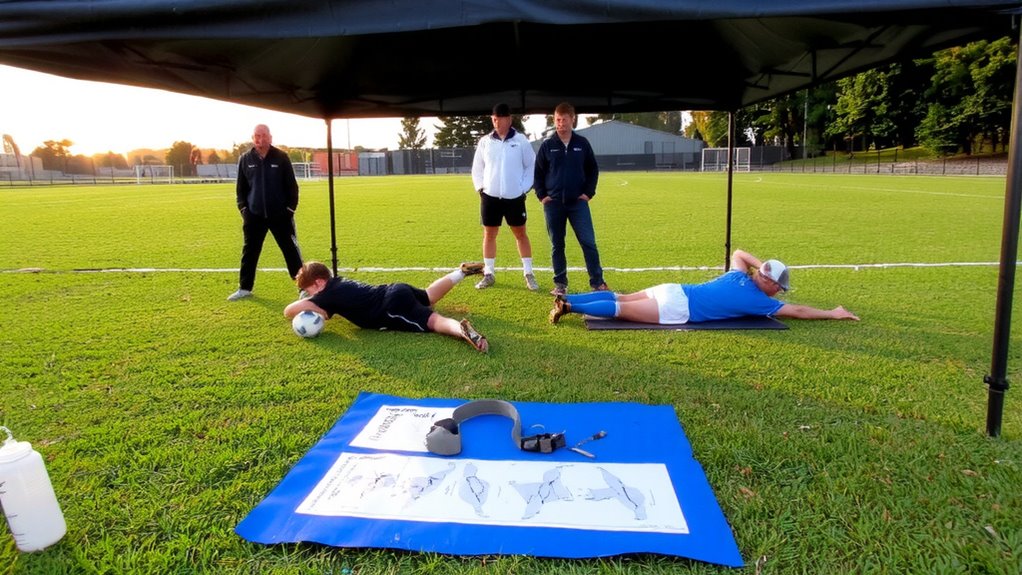
While you’re pushing hard in practice or competition, your body accumulates stress that, if not managed properly, can lead to physical and mental exhaustion-this is where recovery education becomes essential. Learning stress management techniques like breathing exercises, sleep scheduling, and mindfulness helps you stay resilient under pressure. Energy conservation isn’t just about resting; it’s about using active recovery, hydration, and proper nutrition strategically to rebuild strength. Recovery education teaches you how to balance output with restoration, preventing the downward spiral into burnout. Fitness recovery tools-foam rollers, compression gear, and hydration monitors-support this process, but only when used correctly. Without structured knowledge, even the best gear loses value. By integrating recovery practices early, you develop habits that sustain long-term performance. It’s not just about working harder-it’s about recovering smarter to keep thriving season after season. Choosing the right best foam rollers can significantly enhance myofascial release and improve recovery outcomes when paired with proper technique.
Teach Athletes to Spot Overtraining Early
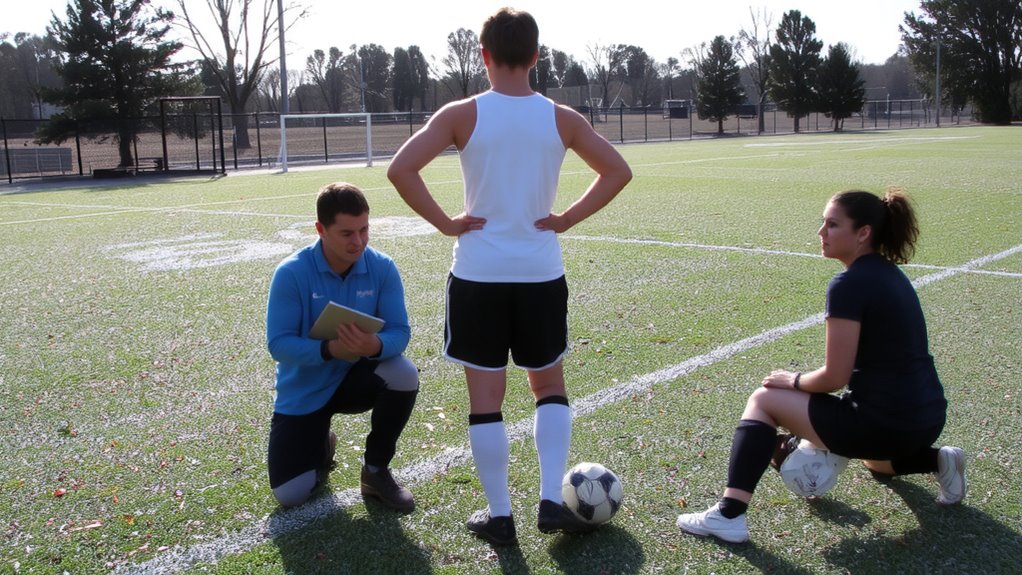
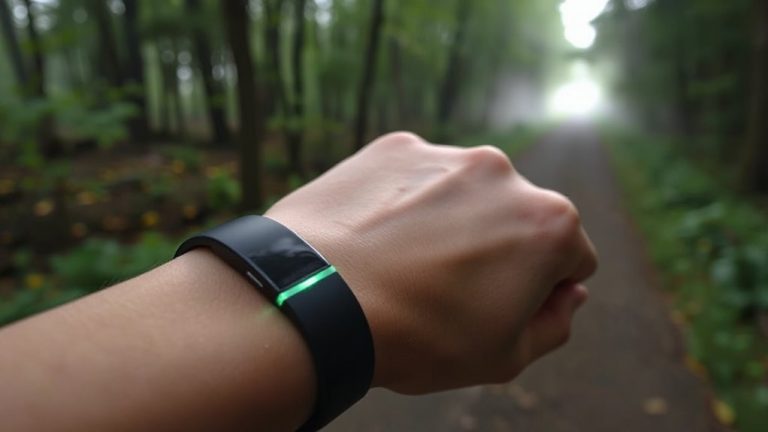
Fatigue, mood shifts, and declining performance-these aren’t just signs of a tough season; they’re red flags your body sends when overtraining sets in. You need early detection to stay healthy and keep improving. Recognizing physical cues like persistent soreness, sleep trouble, or lowered energy helps you act before problems worsen. These signals mean your body isn’t recovering fast enough between sessions. Monitoring them regularly lets you adjust training before setbacks occur. Coaches and athletes together should track performance trends and daily feedback to catch overreaching early. Wearable fitness gear can support this by showing heart rate variability and resting heart rate changes-solid indicators of recovery needs. But tech isn’t a substitute for self-awareness. Learning your body’s physical cues guarantees better long-term outcomes than relying on gadgets alone. Early detection protects your progress and keeps you in the game. Incorporating proven recovery tools can further enhance monitoring and intervention strategies.
Build Mental Resilience With Recovery Routines
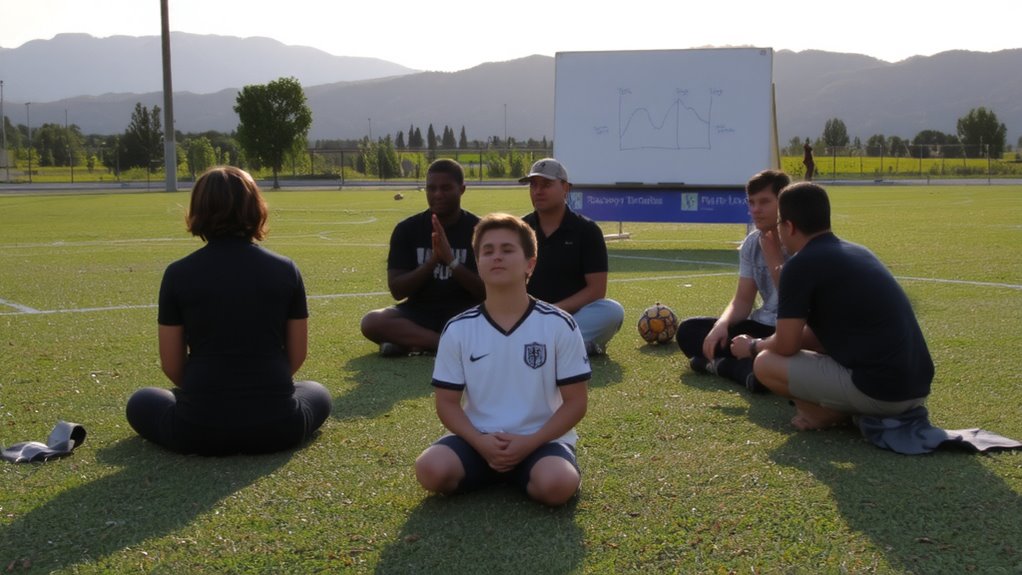
Recovery isn’t just about physical repair-it’s a mental reset, a chance to rebuild focus and confidence after pushing your limits. When you incorporate breathwork focus into your routine, you’re training your nervous system to shift from stress to calm, enhancing both recovery speed and mental clarity. Techniques like diaphragmatic breathing or box breathing take minutes but improve emotion regulation by lowering cortisol and stabilizing mood. Pairing these with consistent sleep, hydration, and mindful reflection strengthens resilience over time. Recovery gear-like foam rollers or compression devices-supports this process, but only when paired with intentional mental practices. The best routines blend physical tools with psychological discipline, turning downtime into growth. You’re not just resting-you’re reinforcing a mindset that handles pressure with control. That’s how mental toughness solidifies: through structured recovery that values emotional balance as much as muscle repair.
Model Recovery Education as a Coach
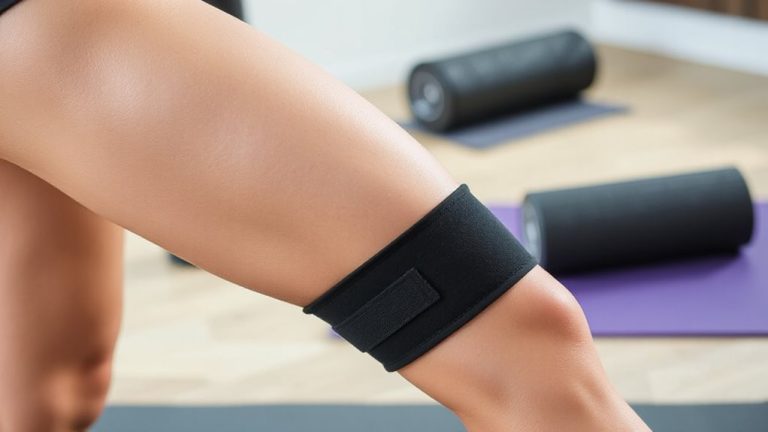
Since you’re in a position of influence, normalizing recovery starts with how consistently you model it. When athletes see you prioritizing active recovery-like foam rolling after practice or taking rest days seriously-they learn it’s part of training, not laziness. You don’t need high-end fitness gear to demonstrate this; a simple post-workout stretch routine sets the tone. Emphasize sleep hygiene by sharing basic habits: consistent bedtimes, limiting screen time, and creating rest-friendly environments. These practices aren’t just supportive-they’re performance-enhancing. Coaches who integrate these behaviors into their own lives show authenticity, making recovery education more credible. Athletes mimic what they see, especially from trusted figures. By visibly practicing recovery, you shift culture. It becomes less about pushing through fatigue and more about sustainable growth. Recovery isn’t passive-it’s strategic, and your actions teach that lesson louder than words ever could. Incorporating tools like best recovery bands can further enhance active recovery and muscle relief.
Schedule Rest That Teaches Recovery Skills
While most youth programs emphasize practice and competition, few intentionally design downtime to build recovery skills-yet rest periods aren’t just about physical repair, they’re opportunities to teach athletes how to actively recover. You can turn passive breaks into lessons by scheduling active rest like light stretching, foam rolling, or low-intensity movement that boosts circulation and reduces soreness. Pair this with discussions on recovery nutrition-timing protein and carbs post-activity-so athletes learn how food supports muscle repair. When rest is structured, it reinforces that recovery isn’t laziness; it’s part of training. Incorporating recovery gear like compression sleeves or massage tools during these periods also helps youth connect equipment use with bodily feedback. These moments build habits that enhance performance and reduce injury risk. Teaching recovery this way guarantees young athletes don’t just train hard-they recover smart, too.
Talk About Mental Health Without Stigma
You’ve already shown athletes how to support their bodies physically during rest, but recovery isn’t just about muscles and movement-it includes the mind too. Talking openly about mental health normalizes struggles and builds mental strength, not weakness. When youth see coaches and peers discuss stress, anxiety, or pressure without shame, they’re more likely to seek help early. Emotional balance is just as critical as physical readiness, affecting focus, resilience, and teamwork. Silence fuels stigma; consistent, honest conversations dismantle it. Use team meetings to name common challenges-performance fears, social stress, burnout-and frame them as part of growth, not failure. This approach doesn’t coddle athletes; it prepares them. Mental strength isn’t forged in silence but through awareness, support, and practice. By integrating mental health into recovery education, you’re not lowering standards-you’re raising the foundation. Athletes learn that taking care of their minds isn’t optional. It’s essential.
Create Age-Specific Recovery Activities
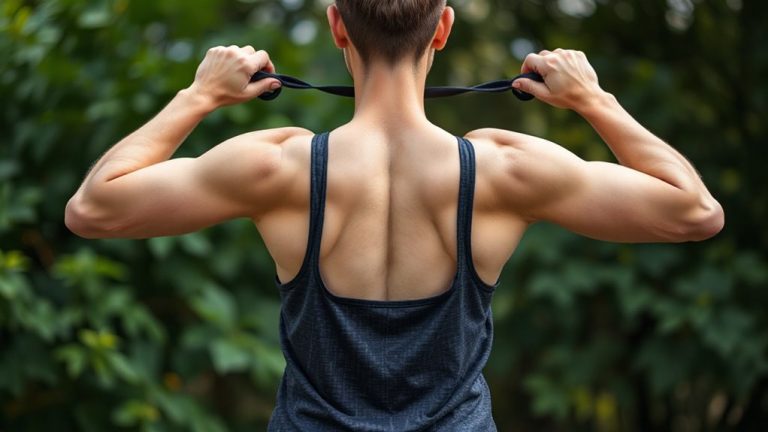
How do you make certain recovery activities actually resonate with young athletes, rather than just filling time? You tailor them by age and developmental stage. For younger kids, keep active recovery playful-light games, fun mobility drills-that sneak in movement without feeling like work. Older teens benefit from structured cooldowns, like brisk walking or cycling, which support circulation and muscle repair. Hydration habits should be taught early, using marked bottles to track intake, and reinforced consistently. You’ll find younger athletes mimic what they see, so coaches must model good behavior. Hydration isn’t just post-workout; it’s a 24-hour habit. Active recovery, when age-appropriate, reduces soreness and builds discipline. Recovery gear-foam rollers, resistance bands-should match each age group’s strength and understanding. For pre-teens, simplify tools; for high schoolers, teach proper technique. When recovery fits their level, they’re more likely to adopt it long-term.
On a final note
You help young athletes thrive when you integrate recovery education into training. Teaching rest, mental resilience, and overtraining signs builds sustainable habits. Recovery isn’t passive-it’s active skill-building. Coaches who model smart recovery with proper gear like foam rollers or compression wear improve athlete outcomes. These tools, when used correctly, support physical and mental health. Ultimately, structured, age-appropriate recovery strategies enhance performance, prevent injury, and foster long-term engagement in sports.