Implementing Dynamic Compression During Warm-Ups in Late-Stage Rehab
You’re using dynamic compression to prime your body before activity, and it shows-improved blood flow, sharper muscle activation, and better joint readiness all support late-stage rehab gains. Dynamic bands enhance neuromuscular engagement without limiting motion, while pneumatic cuffs boost circulation and synovial flow at key joints like the knee and shoulder. For best results, apply 8–12 minutes pre-activity to sustain benefits into your workout. Timing matters-too early and the effect fades, too late and tissues don’t adapt. This approach bridges recovery and performance, preparing your body for real-load demands with measurable control. There’s more to optimizing this method based on your specific regimen and gear setup.
Notable Insights
- Apply dynamic compression for 8–12 minutes pre-activity to optimize blood flow and neuromuscular readiness in late-stage rehab.
- Use dynamic compression bands to enhance muscle activation and support functional movement without restricting range of motion.
- Pneumatic cuffs improve joint mobility and circulation through rhythmic compression, ideal for knee and shoulder warm-ups.
- Time compression application to align with sport-specific drills to bridge rehabilitation and performance demands effectively.
- Integrate movement-specific protocols to reduce stiffness, improve tissue elasticity, and promote confidence during loaded rehabilitation exercises.
Why Dynamic Compression Wins in Late-Stage Rehab
While you’re maneuvering the final phases of rehabilitation, dynamic compression stands out because it actively supports tissue recovery better than static methods. It enhances blood flow and promotes neural engagement, priming your nervous system for coordinated movement. Unlike passive supports, dynamic gear adapts to motion, improving tissue elasticity as you move through functional ranges. This responsiveness helps restore natural mechanics, making it ideal for late-stage rehab. You’ll notice reduced stiffness and better resilience during activity, especially under load. The feedback from consistent use shows faster adaptation, with many patients reporting greater control and confidence. High-quality materials maintain consistent pressure without restricting motion-critical for rebuilding strength without strain. Dynamic compression doesn’t just support recovery; it challenges your system appropriately, integrating seamlessly into rehab protocols focused on return-to-performance. It’s not just recovery gear-it’s retraining gear.
Activate Muscles With Dynamic Compression Bands
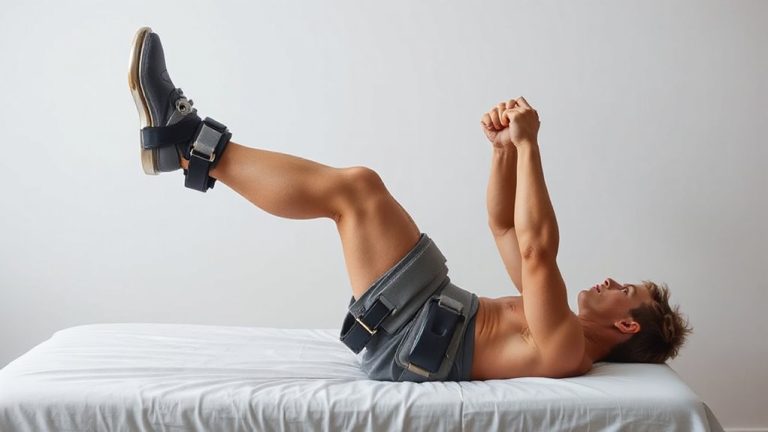
Since your muscles need active engagement to regain strength and coordination during late-stage rehab, dynamic compression bands help stimulate neuromuscular activation more effectively than passive supports. These bands enhance muscle engagement by providing resistance during movement, priming key muscle groups for functional tasks. Improved blood flow results from rhythmic compression, boosting oxygen delivery and metabolic clearance. Unlike static wraps, dynamic bands encourage movement-specific activation, making them ideal for sport- or task-oriented recovery.
| Feature | Benefit | Application Example |
|---|---|---|
| Adjustable Tension | Customizable muscle engagement | Hamstring pre-activation |
| Lightweight Material | Unrestricted range of motion | Walking lunges |
| Graduated Compression | Enhanced local blood flow | Calf mobilization drills |
Used correctly, these bands bridge the gap between protection and performance, supporting progressive rehab without compromising physiological demand or movement quality.
Use Pneumatic Cuffs for Joint Activation
Pneumatic cuffs bring precision to joint activation in late-stage rehab, delivering targeted compression through adjustable air pressure. You’ll find they enhance joint mobility by promoting synovial fluid movement and stabilizing articulations without limiting range of motion. Unlike static wraps, these cuffs rhythmically inflate and deflate, boosting circulation and supporting blood flow to sluggish tissues surrounding injured joints. That increased perfusion helps temper stiffness and prepares connective tissues for dynamic loading. Most systems let you customize pressure settings-typically between 30–80 mmHg-so you can match rehab demands without overcompression. Clinicians report improved patient readiness when using cuffs before functional drills, especially around the knee and shoulder. The gear’s durable but requires routine checks for seal integrity and hose wear. While pricier than bands, pneumatic cuffs offer consistent, measurable input-ideal when fine-tuning joint prep for return-to-activity benchmarks.
Time Your Dynamic Compression Warm-Up Right
You’ve set the stage with pneumatic cuffs, using their adjustable squeeze to prime stiff joints and spark fluid movement-but timing that compression matters just as much as the pressure you apply. For ideal timing, begin dynamic compression 8–12 minutes before activity, allowing enough exposure to boost circulation and tissue elasticity without losing the effect before movement starts. Start too early, and benefits fade; too late, and you won’t let physiological changes fully develop. This narrow window supports neuromuscular readiness and enhances blood flow exactly when needed. In late-stage rehab, that precision is critical for injury prevention, reducing strain risks during shift loading. Devices with preset cycles help maintain consistency, but individual response should guide adjustments. Real-time feedback-like reduced joint stiffness or improved range-signals ideal timing. Sync the cuff’s cycle with your warm-up routine, ensuring compression ends as you move into active drills. When timed right, dynamic compression doesn’t just prepare tissue-it prepares you.
Use Dynamic Compression in Return-to-Sport Warm-Ups
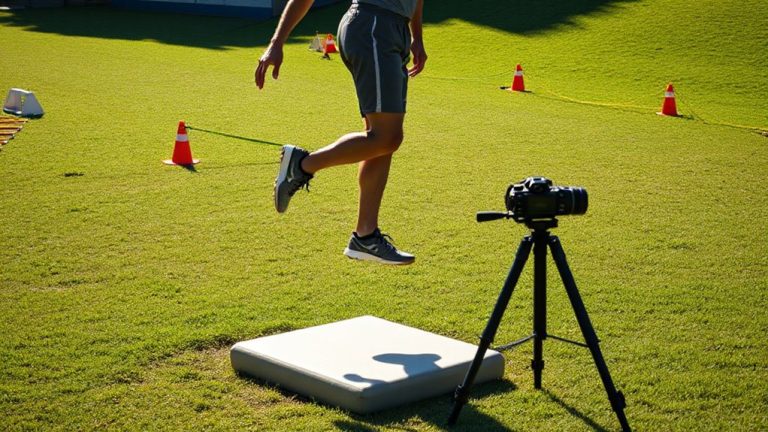
How do you bridge the gap between rehab and full athletic performance without risking setback? You use dynamic compression in your return-to-sport warm-ups. This gear actively enhances blood flow, increases muscle temperature, and improves neuromuscular readiness-key factors for both injury prevention and performance enhancement. Unlike passive warm-ups, dynamic compression applies targeted pressure that mimics muscle activation patterns, priming your body for sport-specific movements. Research shows athletes using it report quicker readiness and reduced muscle stiffness. You’ll notice better joint stability and sharper movement precision, especially in high-demand sports. It’s not just about recovery; it’s about preparing the body under real-load conditions. When integrated correctly, this tool supports a smoother shift from rehab to competition, ensuring you don’t just return-but return stronger, safer, and more resilient.
On a final note
You’re using dynamic compression wisely in late-stage rehab when you pair bands or pneumatic cuffs with movement. It boosts circulation, primes neuromuscular pathways, and mimics sport-specific demands. Timing matters-apply it just before activity for peak effect. As a recovery tool, it bridges healing to performance. Evidence supports its role in reducing stiffness and enhancing muscle activation, making it a smart, practical upgrade to warm-ups when return-to-sport goals are in sight.