Meditative Body Scan to Identify Subclinical Muscle Fatigue Before Injury Occurs
You’re likely overlooking subclinical muscle fatigue-hidden strain that precedes injury-because it doesn’t hurt yet. A meditative body scan helps you detect subtle tightness, tremors, or warmth signaling neuromuscular overload before damage occurs. Unlike fitness trackers or compression gear, this practice builds interoceptive awareness, revealing imbalances metrics miss. Doing a 5-minute scan daily, from toes to head, trains you to spot warning signs early-like uneven stiffness or neural tension-so you can adjust training. There’s more to discover about fine-tuning recovery.
Notable Insights
- Meditative body scanning detects subclinical muscle fatigue by identifying subtle tension or warmth before pain develops.
- Daily scans from toes to head enhance interoceptive awareness, revealing early neuromuscular imbalances.
- Persistent muscle tremors or joint stiffness during a scan may signal impending strain or overload.
- Observing asymmetrical tightness helps uncover compensatory patterns that precede injury.
- Regular pre-sleep or morning scans shift focus from performance to sustainable recovery and prevention.
What Is Subclinical Muscle Fatigue and Why It Matters
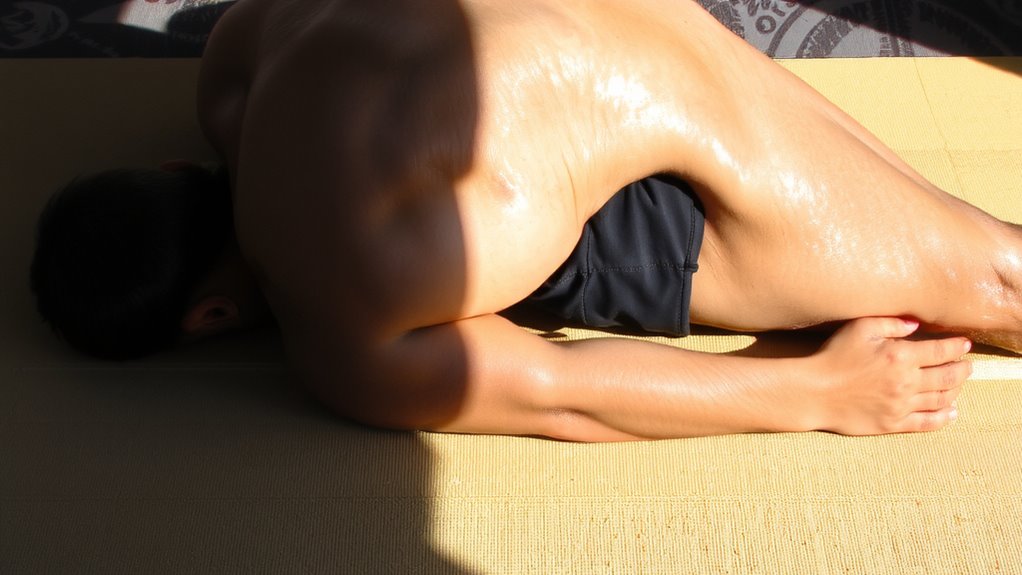
Ever felt run down after a workout even when you haven’t pushed yourself to failure? That nagging fatigue might be subclinical muscle fatigue-a hidden strain not yet showing as pain. It’s the body’s quiet warning, often caused by muscle imbalance or neural tension, where certain groups overwork while others underperform. Without addressing it, minor strain can escalate into injury. Fitness recovery isn’t just about rest; it’s about awareness. High-quality recovery gear like foam rollers and percussion massagers help, but only if used with insight. You need to spot imbalances early, not after damage is done. Think of your nervous system like wiring-tight neural tension disrupts signal flow, reducing efficiency. Top-tier gear supports structural harmony, but it’s your attention to subtle feedback that matters most. Preventative care beats reactive fixes. Recognizing subclinical fatigue means listening closely, adjusting routine, and treating your body like a tuned system-because it is. Choosing the right best foam rollers can enhance your ability to detect and correct muscular imbalances during self-myofascial release.
How Body Scans Spot Muscle Fatigue Early
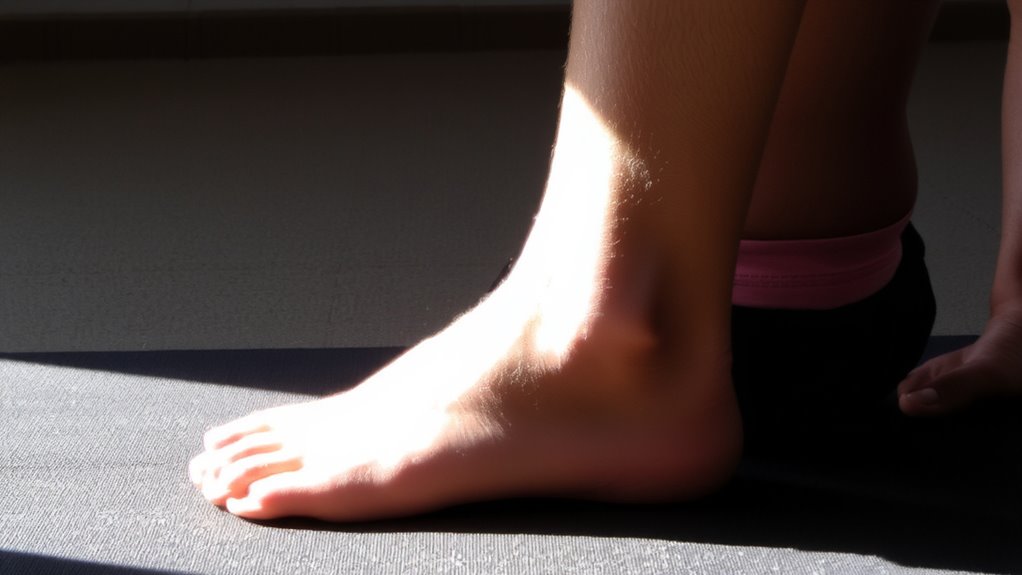
You can’t always feel muscle fatigue coming, but your body gives signals if you’re paying attention-subclinical strain builds quietly, and that’s where meditative body scanning proves effective. By focusing systematically on each body region, you detect subtle tension or warmth others might ignore. These cues often point to neuromuscular imbalances, where certain muscle groups overcompensate while others underperform, increasing injury risk. You may also notice areas of stiffness that don’t ease with movement-likely signs of fascial restriction, where connective tissue tightens and limits glide between muscles. High-performance fitness gear like compression wear can support recovery, but it won’t fix root issues. The body scan reveals these early deviations before they escalate, letting you adjust training or rest accordingly. Unlike passive recovery tools, this method engages your awareness, offering a reliable, low-tech edge in fitness recovery.
How to Do a Daily Body Scan for Muscle Recovery

Where do you begin when tuning into your body’s recovery needs after a demanding workout? Start with mindful breathing-inhale deeply through your nose, feel your abdomen rise, and exhale slowly, releasing tension. This simple act sharpens mental clarity, helping you assess subtle cues. Sit or lie comfortably, eyes closed, and mentally scan from toes to head. Notice areas of tightness or warmth without reacting, just observing. Doing this daily builds awareness of recovery patterns, letting you adjust training intensity or rest periods accordingly. Unlike fitness gear that tracks metrics passively, this practice offers active insight-no sensors, just focus. Over time, you’ll distinguish normal soreness from lingering fatigue, supporting smarter recovery choices. It’s a low-tech method with high-yield results, fitting seamlessly into any routine. The consistency of the scan improves not just physical insight, but mental clarity, making it an essential tool in sustainable fitness.
Key Sensations That Signal Trouble
While most post-workout sensations are part of normal recovery, certain signals warrant closer attention-especially when they persist beyond typical muscle soreness. You might notice subtle muscle tremors during or after exercise, a sign your neuromuscular system is overtaxed and possibly compensating for fatigue. These tiny shakes aren’t just fatigue-they can precede strain if ignored. Likewise, lingering joint stiffness, particularly in the knees, shoulders, or lower back, often indicates uneven load distribution or overuse. Unlike temporary tightness, this stiffness resists standard mobility work and may worsen without intervention. Together, these symptoms suggest subclinical fatigue building toward injury. High-quality fitness gear-like supportive footwear or compression wear-can mitigate stress, but only if you’re attentive. Your body scan isn’t just ritual; it’s diagnostic. Recognizing these cues early lets you adjust training volume, improve recovery protocols, and preserve long-term performance. Incorporating a best massage gun can enhance recovery by targeting deep muscle tension before it progresses to injury.
Fit Body Scans Into Your Daily Routine
How often do you truly check in with your body-really listen-after a workout or during a long day at the desk? You don’t need expensive fitness gear to catch early signs of strain; a simple meditative body scan takes just five minutes and fits seamlessly into your morning routines or bedtime practices. Perform it upon waking to tune into tension you might not notice, or wind down with one before sleep to support recovery. Unlike biometric wearables that track data, this practice builds interoceptive awareness-your ability to sense internal physical states. Consistency matters more than duration, and doing it daily strengthens your body’s feedback loop. Whether you’re sedentary or active, integrating scans this way improves long-term self-monitoring without relying on technology. It’s a practical, no-cost method that complements other recovery tools while putting you in direct contact with your physical state-no apps required.
Use Body Scans to Prevent Long-Term Injury
If you’re pushing through discomfort without recognizing its source, you’re not just ignoring symptoms-you’re risking long-term injury. Regular body scans help you catch issues like muscle asymmetry and neural tension before they escalate. These subtle imbalances often go unnoticed during workouts but can lead to chronic strain over time. By tuning in systematically, you detect when one side of your body compensates for the other, correcting asymmetry before it affects movement patterns. Neural tension, often felt as tightness or shooting discomfort, signals irritated nerves-early detection prevents further irritation. Devices like wearable EMG sensors or even mindful self-scans enhance this awareness, though their accuracy varies. Used consistently, body scans become a preventive tool, not just recovery tech. They shift your focus from performance to sustainability, letting you adjust form, load, or rest based on real feedback. It’s not about avoiding effort-it’s about training smarter, minimizing wear, and preserving function.
On a final note
You’re more aware of subtle tension and fatigue when you practice daily body scans, catching issues before they become injuries. This mindful check-in improves recovery by tuning you into early warning signs like tightness or asymmetry. Combined with quality recovery gear-like foam rollers or compression tools-it enhances healing precision. Over time, the practice boosts performance and resilience, making it a smart, low-effort addition to any fitness routine worth maintaining.