The Impact of Iron Status on Oxygen Delivery to Regenerating Muscle Tissue
Your iron levels directly affect how much oxygen reaches healing muscles, since iron is essential for hemoglobin to carry oxygen from your lungs to damaged tissues. Low iron slows muscle repair and zaps energy, while too much can increase oxidative stress and inflammation. Heme iron from lean meats absorbs best, and pairing plant sources with vitamin C boosts uptake. Timing matters-wait a week after injury to test, as early results can be misleading. Watch for fatigue or lingering soreness; they might signal imbalance. Optimizing iron supports faster, more efficient recovery-and there’s more to contemplate about fine-tuning this balance.
Notable Insights
- Iron is essential for hemoglobin production, enabling oxygen transport from lungs to regenerating muscle tissue.
- Low iron levels impair oxygen delivery, slowing muscle repair and reducing endurance during recovery.
- Heme iron from lean meats offers superior absorption, enhancing oxygen-carrying capacity more effectively than non-heme sources.
- Iron deficiency can mask as persistent fatigue and poor recovery, requiring blood tests for accurate diagnosis.
- Excess iron increases oxidative stress and inflammation, damaging recovering tissues and disrupting mitochondrial function.
How Iron Fuels Oxygen Delivery to Healing Muscles
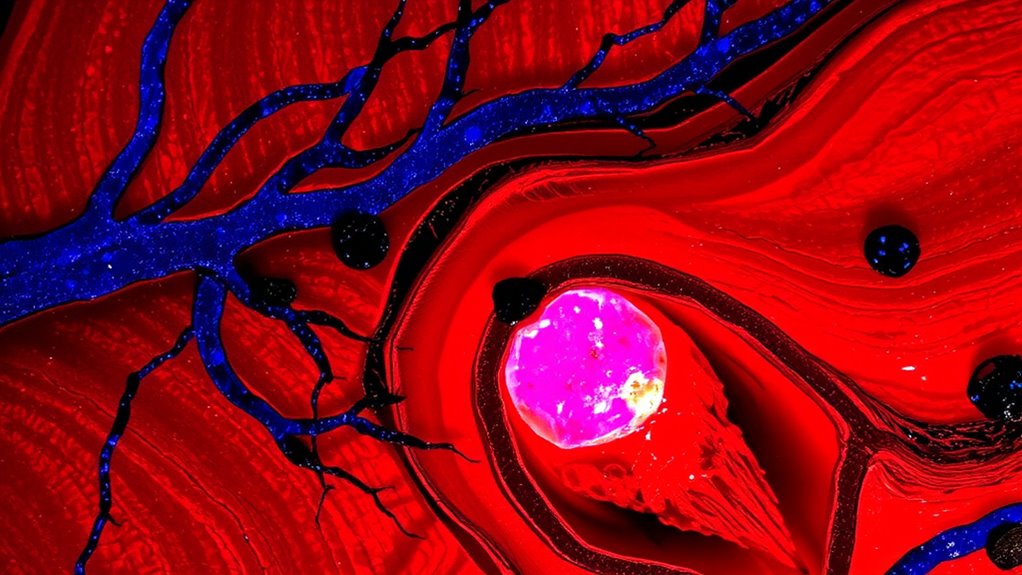
While your muscles repair after intense workouts, iron quietly plays a critical role in ensuring they get the oxygen needed for recovery. You rely on efficient oxygen transport to regenerate tissue, and iron is the key component of hemoglobin, which carries oxygen from your lungs to working muscles. Without adequate iron absorption, your body can’t maintain ideal hemoglobin levels, limiting endurance and slowing repair. Even mild deficiencies impair performance, especially when training intensity increases. High-quality recovery isn’t just about rest or compression gear-your biochemistry matters just as much. Ensuring consistent dietary iron intake, particularly from heme sources like lean meats, enhances absorption and supports sustained oxygen delivery. Pairing iron-rich meals with vitamin C-rich foods further boosts uptake. Ultimately, no recovery supplement or advanced fitness gear compensates for poor iron status. Prioritize nutrition to maintain the oxygen transport your muscles depend on.
Low Iron and Muscle Recovery: Warning Signs to Watch
You might be hitting your recovery protocols hard-using foam rollers, wearing compression boots, and tracking muscle fatigue with wearable tech-but if your iron levels are low, those tools won’t fix the root issue. Iron deficiency directly limits hemoglobin production, reducing oxygen delivery to regenerating muscle tissue. Without sufficient oxygen, your muscles can’t recover efficiently, no matter how advanced your gear. You may notice persistent muscle fatigue, even after full nights of sleep or extended rest. Performance dips between workouts could become more pronounced, and heart rate variability trends from wearables might reflect poor recovery-despite adherence to protocols. These signs aren’t equipment failures; they’re biological red flags. Iron deficiency undermines recovery at the cellular level, making even the best fitness tools ineffective. Monitoring iron status through blood work and recognizing early symptoms like prolonged soreness or sluggish energy is essential. Don’t overlook the internal factors-your body’s recovery engine needs fuel, not just gadgets.
Can Too Much Iron Slow Muscle Healing?

Could iron, so essential for recovery, ever become too much of a good thing? Yes-when iron levels exceed what your body needs, you risk iron toxicity, which can actually hinder muscle healing. Excess iron fuels oxidative stress, flooding your cells with free radicals that damage proteins, lipids, and DNA in regenerating tissues. While your mitochondria rely on iron for energy production, too much disrupts redox balance, slowing repair and increasing inflammation. Athletes using supplements without medical guidance may unknowingly overload, especially if they have genetic predispositions like hemochromatosis. Unlike iron deficiency, which impairs oxygen delivery, iron overload damages tissue directly through catalytic reactions. Monitoring ferritin levels is smart, especially if you’re using recovery gear that boosts circulation-amplifying both benefits and risks. Balance is key: ideal iron supports recovery, but excess undermines it through biochemical strain, not just physical fatigue.
Iron-Rich Foods That Speed Muscle Repair
Iron plays a quiet but critical role in muscle recovery, shuttling oxygen to fatigued tissues and supporting the energy factories within your cells. You can boost this process by eating iron-rich foods, especially when paired with vitamin C for better absorption. Think beyond supplements-whole foods offer a balanced delivery system that enhances availability and reduces gut upset.
| Food Source | Iron (mg per serving) | Boost Tip |
|---|---|---|
| Lentils (1 cup) | 6.6 | Add lemon juice for vitamin C |
| Spinach (1 cup) | 6.4 | Sauté with bell peppers |
| Lean beef (3 oz) | 3.2 | Drink beetroot juice alongside |
Beetroot juice doesn’t just raise nitric oxide-it may also improve oxygen utilization, giving iron a synergistic partner. While fitness gear tracks output, your diet fuels recovery from within, making these food choices practical tools for faster repair.
When to Test Iron Levels After Injury
Why do some athletes bounce back quickly after injury while others stall in recovery-could undetected iron deficiency be a hidden factor? After trauma, your body’s inflammatory response can mask iron levels, skewing standard tests like serum ferritin. That’s why testing too soon-within the first 3 to 5 days post-injury-isn’t reliable. Wait at least one week, once the acute inflammatory phase subsides, to get accurate results. This timing helps distinguish true iron deficiency from temporary drops caused by inflammation. If you’re considering iron supplementation prematurely, you risk unnecessary intake with little benefit. Testing at the right window gives a clearer picture of your iron status, ensuring interventions are timely and evidence-based. For athletes relying on peak oxygen delivery to regenerating muscle, this precision supports smarter recovery strategies without guesswork.
Correcting Iron Imbalances for Faster Recovery
A significant number of athletes overlook iron imbalances as a modifiable factor in recovery, yet addressing them can meaningfully accelerate rehabilitation when done correctly. You’re likely not absorbing enough iron if your recovery timeline feels sluggish despite ideal training and nutrition. Enhancing iron absorption through paired intake-like vitamin C with plant-based iron-boosts serum levels more effectively than supplementation alone. Conversely, calcium and tannins can hinder it, so timing matters. Correcting deficiency isn’t just about ingestion; it’s about strategic uptake. Delayed iron repletion prolongs hypoxia in regenerating tissue, slowing repair. When iron status normalizes, oxygen delivery improves, directly benefitting muscle regeneration. Monitoring ferritin and transferrin saturation helps tailor intervention. For endurance athletes or those with recurrent injuries, optimizing iron isn’t optional-it’s integral. You’ll likely see measurable improvements in energy, strength return, and overall recovery timeline when balance is restored.
On a final note
You need enough iron to carry oxygen to damaged muscles, so recovery stays efficient. Too little slows healing; too much may cause harm. You’ll perform better and heal faster when iron is balanced. Testing after injury helps guide treatment. Pair good nutrition with smart recovery gear-like compression wear or foam rollers-to boost results. Iron matters, but it’s just one part of a strong recovery plan.