How to Design a Sleep-Optimized Training Schedule for Working Athletes
You boost performance by syncing workouts with your circadian rhythm-train when core temperature and hormones peak for 18% better endurance and strength. Schedule intense sessions in the morning or early afternoon, finishing at least three hours before bed to protect REM sleep. Keep your bedroom cool, dark, and screen-free to enhance recovery. Wear moisture-wicking, joint-supportive gear to maintain consistency. Time meals to fuel activity and avoid late sugar or fat that disrupts rest. A 20–30 minute nap between 1–3 p.m. sharpens recovery without sleep inertia. Use wearables to track sleep stages and adjust training intensity-poor sleep means scale back. When recovery becomes measurable, your schedule evolves from rigid plan to responsive system.
Notable Insights
- Schedule workouts in the morning to align with natural cortisol and adrenaline peaks for better performance.
- Avoid training within three hours of bedtime to prevent elevated core temperature and disrupted sleep onset.
- Time intense sessions during circadian energy peaks, identified through personal energy mapping and wearables.
- Maintain a consistent sleep schedule with a cool, dark, screen-free environment to enhance recovery quality.
- Use post-workout nutrition and short afternoon naps to restore energy without compromising nighttime sleep.
Sync Work With Your Body’s Energy Peaks

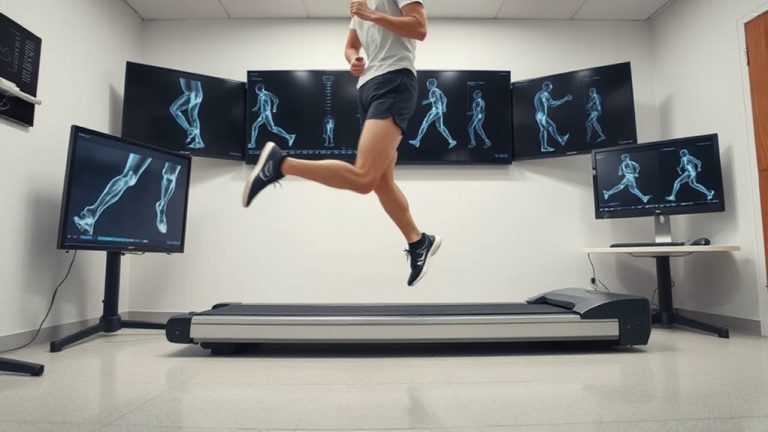
Ever wonder why your focus sharpens in the late morning or why your strength seems to peak in the afternoon? That’s your body’s natural rhythm at work. By aligning your training with your internal clock-what experts call circadian alignment-you’re more likely to perform efficiently and recover faster. Energy mapping helps identify these high-performance windows, letting you schedule intense workouts when your core temperature and hormone levels support peak output. It’s not just about working out harder; it’s about working out smarter. When fitness recovery is supported by timing, muscle repair accelerates and injury risk drops. Pair this rhythm-aware scheduling with quality fitness gear that wicks moisture and supports joint stability, and you’ve built a system primed for consistency. You’ll notice better endurance, sharper technique, and more effective strength gains-all because you’re training with biology, not against it.
Plan Workouts Around Sleep, Not After It
You’ve already seen how syncing workouts with your body’s natural energy peaks can boost performance and speed recovery, but there’s an even deeper layer to optimizing your training: building your fitness schedule around your sleep, not the other way around. Morning workouts make strategic sense-they align with elevated cortisol and adrenaline levels, priming you for strength and endurance. But what matters just as much is recovery timing. Your most restorative sleep phases occur in the first few cycles, so late-night training can disrupt deep REM stages, delaying tissue repair. Scheduling afternoon or evening sessions? You risk elevated core temperature and cortisol when your body should be winding down. Prioritize consistency by placing workouts where they least interfere with sleep onset and quality. That often means favoring morning workouts or early afternoon sessions, ensuring at least three hours between training and bedtime. It’s not just about when you train-it’s about how well you recover.
Optimize Your Sleep Environment for Recovery

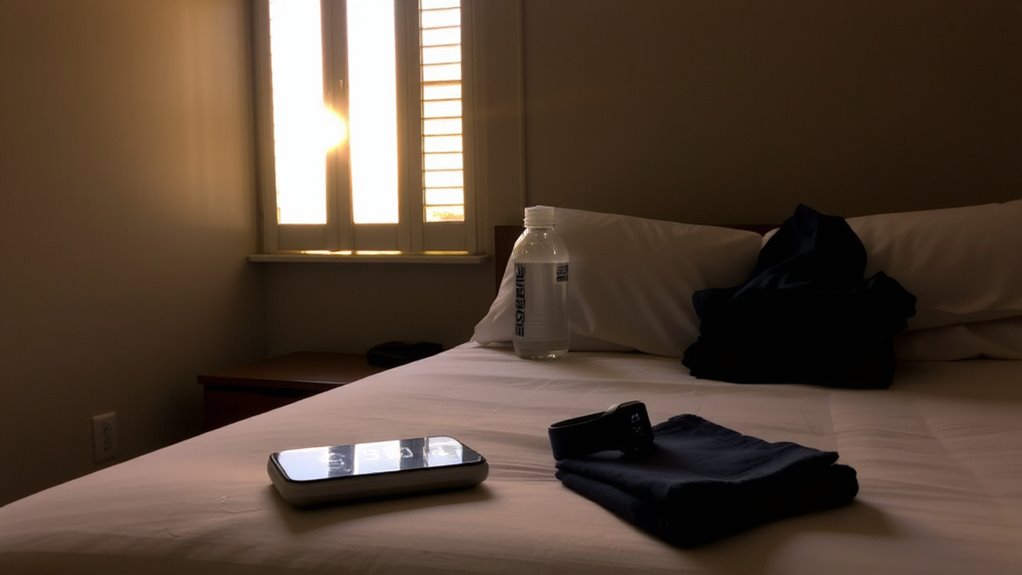
How well you sleep isn’t just shaped by timing-it’s heavily influenced by the environment you create. To maximize recovery, optimize your bedroom for rest, not stimulation. Proper bed lighting and ideal room temperature are essential. Avoid blue light from screens; use blackout curtains and warm-toned, dimmable lights near bedtime. Your body cools during sleep, so keeping room temperature between 60–67°F (15–19°C) supports uninterrupted rest. Invest in breathable bedding and a quality mattress that aligns with your training load. Side and stomach sleepers with back pain may benefit most from a mattress offering balanced support and pressure relief, such as those with medium-firm hybrid construction.
| Factor | Ideal Setting |
|---|---|
| Bed lighting | Low, warm, no screens 1hr before bed |
| Room temperature | 60–67°F (15–19°C) |
| Air quality | Cool, fresh, low allergens |
These adjustments aren’t luxe-they’re performance essentials.
Eat to Support Energy and Nighttime Rest
A well-designed sleep environment sets the stage for recovery, but what you consume during the day plays an equally significant role in how effectively your body rests and rebuilds. You need to align nutrient timing with your training and sleep cycles to maintain energy and support overnight restoration. Eating balanced meals with lean protein, complex carbs, and healthy fats guarantees stable blood sugar and sustained performance. Your meal composition directly affects sleep quality-too much sugar or fat late in the day can disrupt melatonin production and delay sleep onset. Aim to consume larger meals earlier and taper intake toward bedtime. Strategic nutrient timing-like a small carb-protein snack post-evening training-can replenish glycogen and aid muscle repair without burdening digestion. You’re not just fueling workouts; you’re programming your recovery. Smart eating shapes both your energy and your rest.
Take Naps That Recharge: Not Disrupt
Ever wonder why some naps leave you refreshed while others make you feel groggy and disoriented? The difference often comes down to nap timing and sleep inertia. If you’re napping for 20–30 minutes, you’re likely avoiding deep sleep stages, which reduces the risk of sleep inertia-the groggy disorientation that follows waking from deep sleep. For working athletes, a short mid-afternoon nap (around 1–3 p.m.) aligns with natural circadian dips, making it ideal for quick recovery without disrupting nighttime sleep. But naps longer than 30 minutes or taken too late in the day can interfere with your main sleep cycle. By optimizing nap timing, you harness restorative benefits while minimizing downsides. Think of naps not as catch-up but as precision tools-much like recovery gear. Used wisely, they recharge without disrupting your training rhythm.
Scale Training Based on Sleep Quality
Why ignore one of the most responsive indicators of recovery-your sleep quality-when planning daily training? Poor sleep means impaired recovery timing, so scaling workout intensity based on rest makes sense. If your sleep tracking shows disrupted or shallow sleep, backing off high-intensity sessions helps prevent overtraining and injury. On nights when you hit deep, restorative stages consistently, you’re better equipped to handle heavy loads. Think of sleep data as a daily fitness report card-not a strict rule, but a guide. Using reliable trackers gives objective insight, letting you adjust volume, duration, or effort smartly. It’s not about skipping training; it’s about matching effort to readiness. Ignoring this feedback loop undermines gains, even with top-tier fitness gear. Smart athletes don’t push through fatigue blindly-they scale, adapt, and optimize. Sleep quality isn’t just background noise; it’s central to performance planning.
Track Sleep and Performance Together
When you pair sleep tracking with performance metrics, you’re not just collecting data-you’re uncovering patterns that reveal how recovery directly influences workout output. Using a wearable that monitors sleep stages, heart rate variability, and restfulness gives you accurate sleep tracking data. When you log daily training intensity, endurance, strength gains, and even mental focus, you start to see the performance correlation between poor sleep and subpar sessions. Most athletes notice a drop in power output after less than seven hours of sleep. Devices like high-end fitness trackers or smart rings offer reliable data, but consistency matters more than brand. Correlating the numbers over weeks-not days-provides actionable insight. You’ll likely find that deep sleep nights predict better workout quality. Over time, this feedback loop allows smarter training adjustments, recovery prioritization, and more precise goal setting-all rooted in real, measurable patterns between rest and performance.
On a final note
You’ll recover better when training aligns with your body’s rhythms and sleep quality. Smart scheduling, proper gear like recovery-enhancing compression wear, and a well-tuned sleep environment boost adaptation. Tracking both performance and rest reveals patterns you can’t ignore. Naps help, but only if timed right. Ultimately, precision in recovery-through data, design, and discipline-separates good results from great ones. Your progress depends on it.