How Chamomile Tea Reduces Inflammation and Promotes Sleep in Recovering Athletes
You reduce post-workout inflammation and improve sleep with chamomile tea thanks to its apigenin and antioxidants, which calm muscle stress and support nervous system regulation. It eases sleep onset and enhances deep recovery cycles, complementing recovery gear like compression or foam rollers. While generally safe, check for allergies or medication interactions. Steep it 5–10 minutes and drink warm 30–60 minutes before bed for best results-optimal timing activates even greater benefits.
Notable Insights
- Chamomile’s antioxidants neutralize exercise-induced free radicals, reducing muscle oxidative stress and inflammation.
- Apigenin in chamomile binds to receptors that calm the nervous system and support sleep onset.
- By reducing nighttime wakefulness, chamomile improves sleep quality essential for athletic recovery.
- Its anti-inflammatory compounds help resolve post-workout inflammation faster, aiding muscle repair.
- Drinking chamomile tea 30–60 minutes before bed aligns with recovery windows and natural sleep cycles.
Why Inflammation and Sleep Boost Athletic Recovery

While your muscles may feel strongest during a workout, it’s actually in the quiet aftermath-when inflammation kicks in and sleep takes over-that your body does its most critical recovery work. You’ll need that low-grade inflammation to signal muscle repair, jump-starting tissue rebuilding by drawing immune cells to stressed areas. Without it, gains would stall. But prolonged inflammation hampers progress, so timely resolution is key. Meanwhile, quality sleep supports hormonal balance-especially cortisol and growth hormone-ensuring your system stays primed for recovery. Poor sleep disrupts this balance, slowing repair and increasing injury risk. This is where smart recovery choices matter: gear helps, but only if you’re also addressing internal processes. Compression wear may aid circulation, but it can’t fix disrupted sleep. True recovery isn’t just external; it’s biological. Your muscles rebuild at night, not on the mat. You’ve got to nurture both rest and response.
How Chamomile Reduces Post-Workout Inflammation
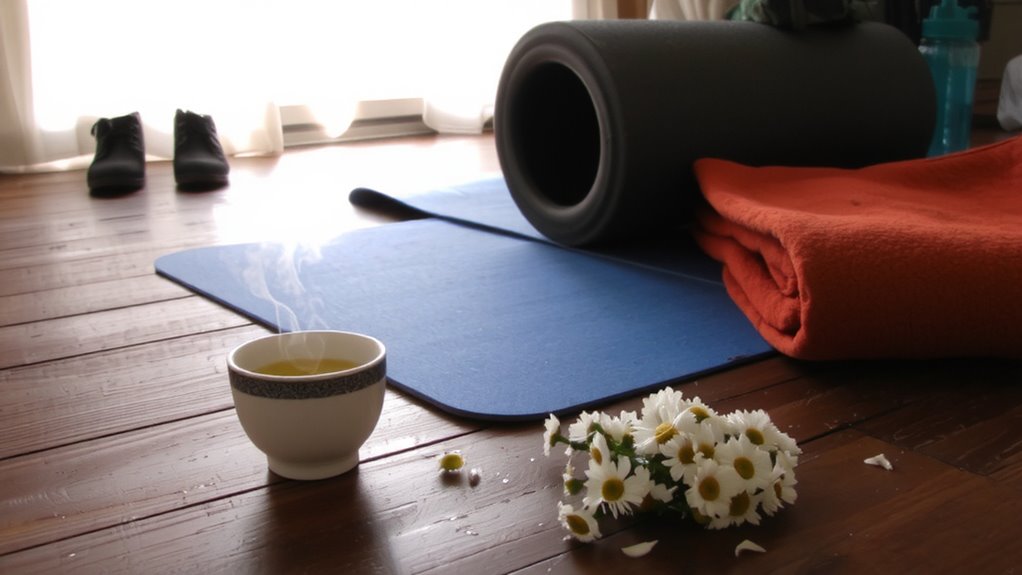
Chamomile doesn’t just calm the nerves-it actively influences the body’s inflammatory response, making it a smart addition to your recovery routine. The herb’s antioxidant properties help neutralize free radicals produced during intense exercise, reducing oxidative stress in muscles. You’ll notice this as faster muscle soreness relief, especially when sipping tea consistently post-workout. Key compounds like apigenin bind to receptors that modulate inflammation, offering a natural complement to ice baths or compression gear. While it won’t replace anti-inflammatory meds in severe cases, chamomile provides a gentle, low-risk option for daily use. Think of it like recovery apparel-designed to support your body’s healing process, just in botanical form. Regular intake may help lower baseline inflammation, improving long-term performance. It’s cost-effective, easy to prepare, and fits seamlessly into nutrition-focused recovery strategies. When paired with proper hydration and rest, chamomile becomes a practical tool in any athlete’s toolkit.
How Chamomile Improves Sleep for Faster Recovery

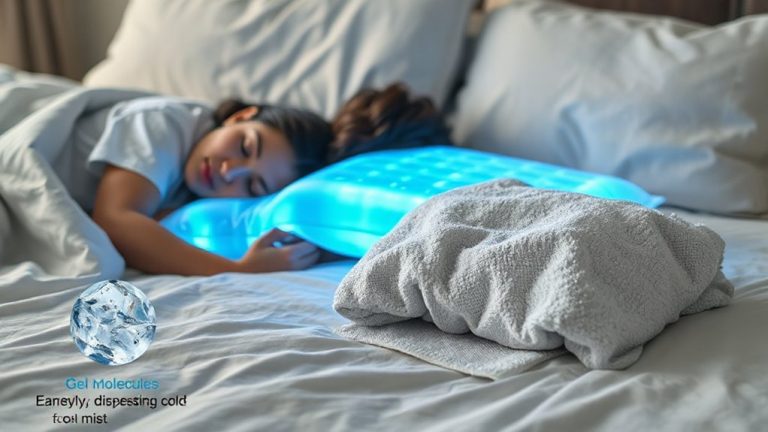
Since high-quality sleep is just as essential to recovery as nutrition or active rest, getting it right can make or break your performance gains-and here’s where chamomile steps in. Chamomile contains apigenin, a flavonoid that binds to receptors in your brain, gently calming your nervous system and easing the shift into restful sleep. Studies show it enhances sleep quality by reducing nighttime wakefulness and shortening the time it takes to fall asleep. For athletes pushing their bodies daily, this isn’t just about feeling rested-it’s about optimizing physiological repair during deep sleep cycles. Unlike sleep aids that dull the nervous system aggressively, chamomile works mildly, supporting natural rhythms without grogginess. Consuming a cup 30–60 minutes post-training aligns with ideal recovery windows, helping the body shift from exertion to regeneration. Combined with proper hydration and a consistent routine, chamomile tea is a practical addition to any athlete’s recovery toolkit, quietly improving sleep quality when it’s needed most.
Is Chamomile Tea Safe for Athletes? Risks and Interactions
Could something as simple as chamomile tea pose risks, even for the most disciplined athlete? Yes-while generally safe, you should know about possible drug interactions and allergic reactions. Chamomile may amplify the effects of blood thinners, sedatives, or anti-anxiety meds, increasing drowsiness or bleeding risk. If you’re on prescription drugs, check with your doctor before making chamomile a routine. Also, since chamomile is related to ragweed and daisies, you’re more likely to experience allergic reactions if you’re sensitive to those plants. Symptoms can range from mild-like itching or rash-to severe, such as anaphylaxis, though that’s rare. For most athletes, moderate consumption causes no issues, but safety hinges on individual health factors. Pay attention to your body’s signals and consider any ongoing treatments. Like with recovery gear, effectiveness depends on proper use and personal compatibility.
Best Ways to Use Chamomile Tea for Recovery
While recovery strategies often spotlight high-tech gear and protein-heavy nutrition, a simple cup of chamomile tea might offer overlooked benefits when timed and used effectively. For best results, steep your tea for 5–10 minutes to achieve the right brew strength-too short and it’s under-extracted, too long and bitterness rises. You’ll want a full flavonoid release to maximize anti-inflammatory effects. Drink it warm, not hot, as ideal serving temperature enhances palatability and soothes the nervous system without scalding sensitive tissue. Consuming chamomile 30–60 minutes before bed aligns with its sedative properties, supporting deeper sleep cycles essential for muscle repair. Unlike bulky recovery tools or complicated regimens, this low-cost method integrates easily into nightly routines. While it won’t replace physical therapy or proper fueling, its calming impact on both mind and body makes it a subtle yet practical addition to any athlete’s recovery toolkit.
On a final note
You’ll find chamomile tea a practical addition to your recovery routine, offering anti-inflammatory benefits through flavonoids like apigenin, which help reduce muscle soreness. It supports sleep by binding to GABA receptors, easing nervous system activity. While not a replacement for clinical treatments, its natural profile suits most athletes. Just watch for allergies or medication interactions. Paired with quality recovery gear-like compression tools or foam rollers-chamomile tea becomes part of a smart, science-backed recovery strategy.