How Herbal Adaptogens Like Rhodiola Support Sleep in Chronically Stressed Athletes
You’re not just tired-you’re stressed, and that’s why you can’t sleep. Rhodiola helps by calming your overactive nervous system, reducing cortisol spikes caused by intense training without making you drowsy. It supports natural recovery by balancing stress hormones and boosting mitochondrial energy production, so you fall asleep easier and wake up refreshed. Unlike sedatives, it enhances focus and resilience, making it ideal for athletes. When combined with smart recovery gear, it optimizes rest from within. There’s more to how adaptogens fine-tune performance and sleep.
Notable Insights
- Rhodiola modulates cortisol levels disrupted by chronic stress, helping restore natural sleep-wake cycles in athletes.
- It supports nervous system balance without sedation, improving sleep quality while maintaining daytime alertness.
- By enhancing mitochondrial efficiency, Rhodiola reduces fatigue and promotes recovery crucial for restful sleep.
- Rhodiola influences dopamine and serotonin activity, improving mood and mental clarity linked to better sleep onset.
- Regular use, combined with sleep hygiene, helps athletes achieve deeper recovery and more consistent sleep patterns.
Why Stressed Athletes Can’t Sleep (And How Rhodiola Helps)
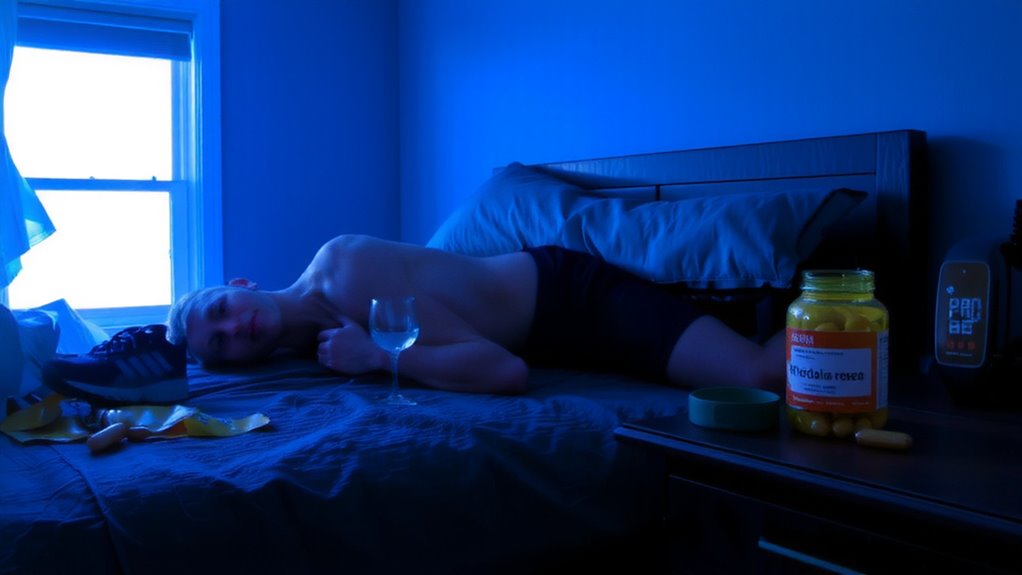
When stress piles up from intense training and competition, it’s no surprise your body struggles to wind down at night-cortisol stays elevated, heart rate variability dips, and recovery takes a hit. You might follow solid sleep hygiene, like keeping a dark, cool room and avoiding screens, but if your nervous system remains in overdrive, those habits alone won’t fix the imbalance. Chronic stress suppresses melatonin levels, delaying sleep onset and reducing sleep quality. That’s where Rhodiola comes in. This adaptogen helps modulate your body’s stress response, supporting homeostasis without sedation. Unlike sleep aids that dull performance, Rhodiola promotes restorative rest while maintaining alertness during the day. It’s not a quick fix, but a long-term tool for athletes serious about recovery. You still need consistency in sleep hygiene, but adding Rhodiola can help align melatonin levels with your natural circadian rhythm, making quality rest achievable even during heavy training.
How Rhodiola Reduces Stress Without Drowsiness
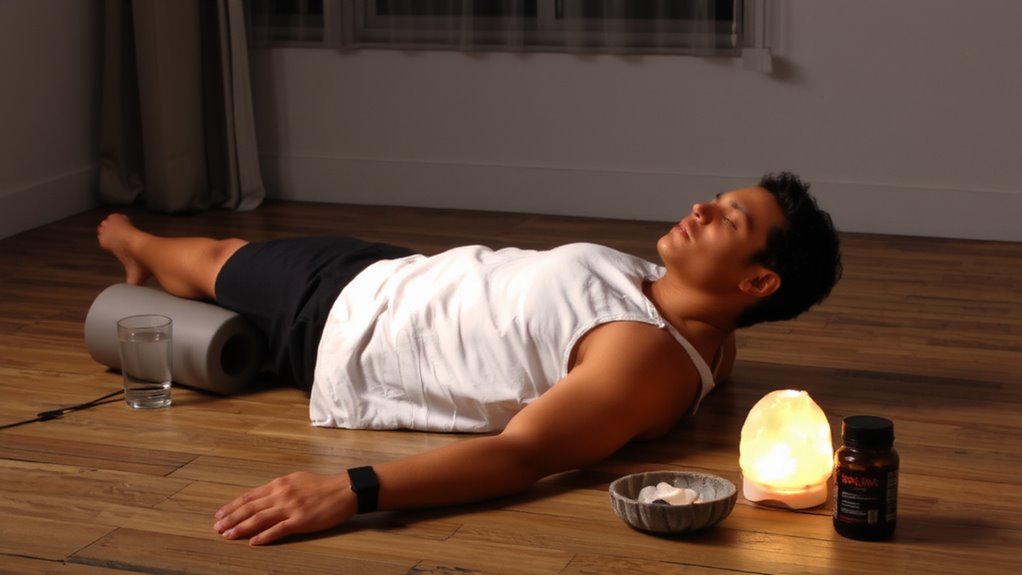
Although many stress-relief supplements make you feel sluggish, Rhodiola works differently by supporting your body’s natural resilience without impairing alertness. You stay focused and responsive, even under pressure, because Rhodiola modulates your stress response rather than suppressing it. This adaptogen enhances energy enhancement by improving mitochondrial efficiency, helping your cells produce ATP more effectively during physical and mental demands. Unlike stimulants, it doesn’t cause jitteriness or crashes-it promotes steady, usable energy. Users consistently report improved mental clarity, especially during intense training blocks or competition seasons, when cognitive fatigue typically sets in. Studies indicate Rhodiola influences key neurotransmitters like dopamine and serotonin, which support mood and concentration without sedation. For athletes, this means you can manage chronic stress while maintaining performance quality. It integrates seamlessly into recovery protocols, complementing other fitness recovery tools like compression gear and sleep trackers by addressing internal stress physiology.
How Rhodiola Balances Cortisol for Better Sleep
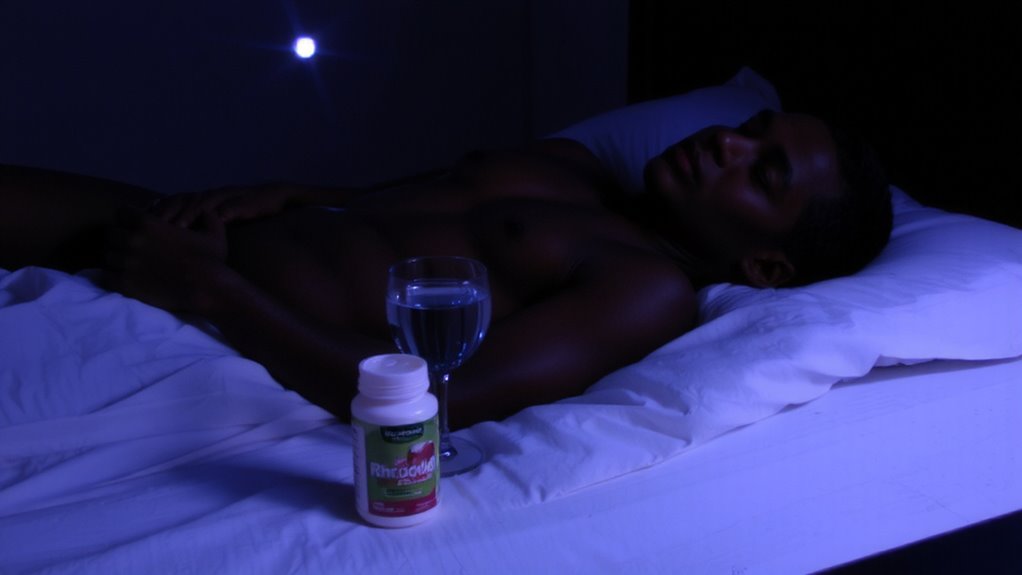
Rhodiola doesn’t just help you stay sharp under pressure-it also plays a key role in calming your nervous system when it’s time to recover. You’re training hard, and that means your body’s cortisol levels can stay elevated, disrupting sleep and slowing recovery. Rhodiola supports cortisol regulation by moderating your adrenal response, preventing the sharp spikes and crashes that throw your system off. Over time, this contributes to better hormonal equilibrium, aligning your internal rhythms with restful sleep. Unlike sedatives, it doesn’t dull your senses-instead, it helps your body adapt and reset naturally. For athletes using recovery tools like compression gear or sleep trackers, adding Rhodiola creates a stronger foundation. When your hormones are balanced, recovery isn’t just physical-it’s physiological. And that makes Rhodiola a smart, science-backed addition to any high-performance routine focused on regeneration and resilience.
What Research Shows About Rhodiola and Recovery
Why do so many elite athletes quietly swear by Rhodiola for faster recovery? Because research consistently links it to improved athletic performance and efficient post-exertion healing. Studies show Rhodiola reduces fatigue and supports immune function during intense training. It helps your body adapt to physical stress, shortening downtime and keeping you in peak condition.
| Benefit | Research Insight |
|---|---|
| Reduced fatigue | 20% decrease in perceived exhaustion |
| Faster recovery | Shorter muscle soreness duration |
| Enhanced endurance | Improved time-to-exhaustion in trials |
| Immune support | Lower infection rates in overtrained athletes |
| Performance boost | Increased oxygen efficiency (VO₂ max) |
You’re not just bouncing back quicker-you’re maintaining resilience. Rhodiola doesn’t replace recovery gear like compression or cooling units, but it complements them by working from within, making your entire recovery system more effective.
How to Take Rhodiola for Sleep and Recovery
How do you actually use Rhodiola to support sleep and recovery without overdoing it or wasting your effort? Start with the timing dosage-typically 200–400 mg daily, standardized to 3% rosavins and 1% salidroside. For chronically stressed athletes, morning intake is common to avoid overstimulation, but if you’re using Rhodiola specifically for sleep support, a low evening intake may help-just monitor your response. Some people report disrupted sleep with nighttime dosing, so assess tolerance early. Cycling-such as five days on, two off or eight weeks on, four off-helps maintain effectiveness and prevent adaptation. Pairing Rhodiola with good sleep hygiene and recovery-focused gear, like compression tools or sleep trackers, enhances outcomes. It’s not a standalone fix, but when integrated wisely, Rhodiola can be a practical part of a smarter recovery strategy.
On a final note
You’re likely training hard but struggling to recover, and poor sleep from chronic stress only worsens it. Rhodiola helps by modulating cortisol, not blocking it, so your rhythm stays natural. Studies show it improves endurance and mental resilience without sedation. Paired with smart recovery gear-like compression wear and sleep trackers-it boosts results. It’s not magic, but for stressed athletes, rhodiola offers a well-supported edge in balancing stress and sleep for true recovery.