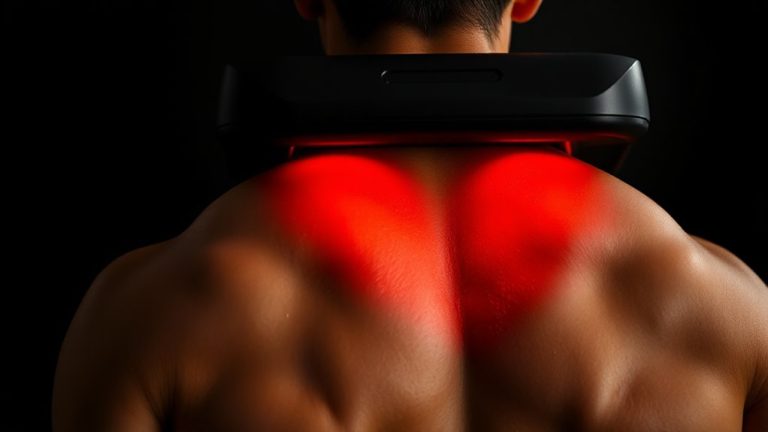
Guided Visualization Techniques to Reduce Perceived Muscle Soreness Post-Marathon
You can reduce post-marathon soreness with guided visualization by mentally rehearsing healing in your muscles. Envision warm, calming light softening tight areas as you breathe deeply, syncing each exhale with the release of tension. This practice leverages neuroplasticity to quiet pain signals and support recovery. When combined with breathwork and used consistently-especially before sleep-it enhances results, particularly alongside tools like recovery boots. There’s more to discover about timing and technique for lasting relief.
Notable Insights
- Visualize healing light soothing muscle tears to activate neural repair pathways and reduce soreness perception.
- Pair deep breathing with imagery, inhaling calm and exhaling tension to enhance physiological recovery.
- Focus on warmth softening stiff muscles during visualization to decrease pain signaling through neuroplasticity.
- Practice guided imagery upon waking to prime the nervous system for efficient discomfort management.
- Use bedtime visualization to align with relaxed brain states that consolidate healing signals during sleep.
How Your Mind Speeds Up Recovery After 26.2
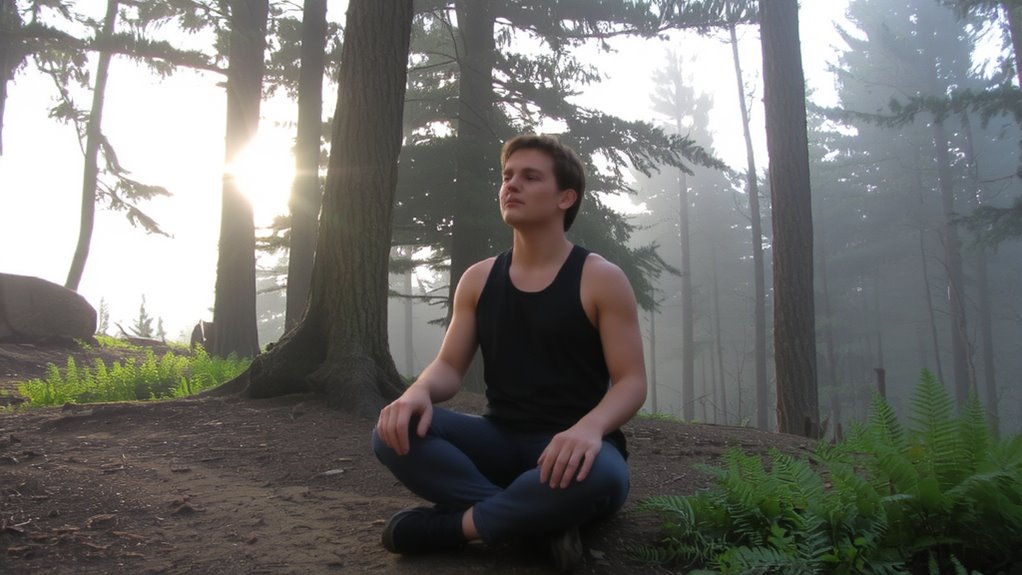
Why do some runners bounce back days after a marathon while others remain stiff and sore for weeks? The answer lies in your mind body connection. Your brain isn’t just directing movement-it’s regulating recovery. Studies show that mental states influence inflammation and muscle repair, with neural plasticity enabling your nervous system to adapt, reducing pain signaling over time. Runners who engage in focused recovery strategies-like mindfulness or breathwork-often report faster return to baseline. This isn’t placebo; it’s neurobiology. Your thoughts shape neural pathways that communicate with muscles, modulating soreness and function. Fitness gear supports this, but only complements internal processes. Compression wear or recovery boots help circulation, yet without mental engagement, benefits plateau. Recovery isn’t passive. You’re not just healing-you’re retraining your system. Prioritize rest, yes, but also awareness. Your mind doesn’t just endure the marathon-it helps you recover from it.
How Visualization Reduces Marathon Muscle Soreness
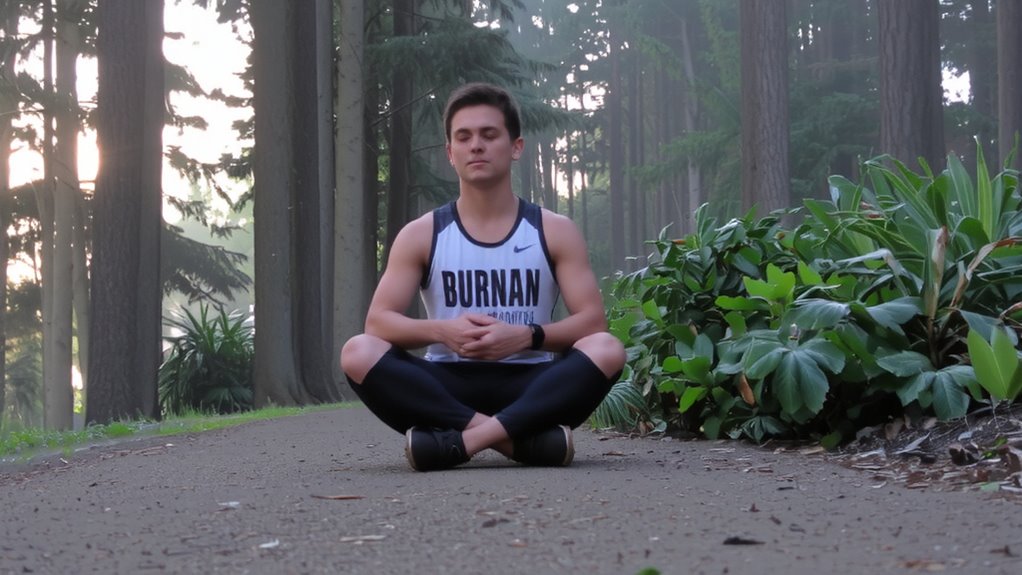
While your body repairs microscopic muscle tears after 26.2, your mind can actively support the process through guided visualization-a technique gaining traction in elite recovery circles. You’re not just resting; you’re directing mental imagery to soothe inflammation and accelerate healing. Studies show that vividly imagining blood flow to sore quads or calm, stretching hamstrings activates neural pathways linked to actual physical sensation. This isn’t magic-it’s neuroplasticity at work, where repeated thought patterns influence physiological responses. By mentally rehearsing recovery, you help modulate pain signals and reduce perceived soreness. Unlike passive rest, visualization engages the brain-body connection deliberately, making it a smart complement to compression gear or foam rollers. It doesn’t replace physical recovery tools, but enhances them. When combined with proven methods, mental imagery becomes part of a smarter, more holistic post-marathon routine-one that top runners are starting to take seriously.
Step-by-Step: Visualize for Faster Recovery
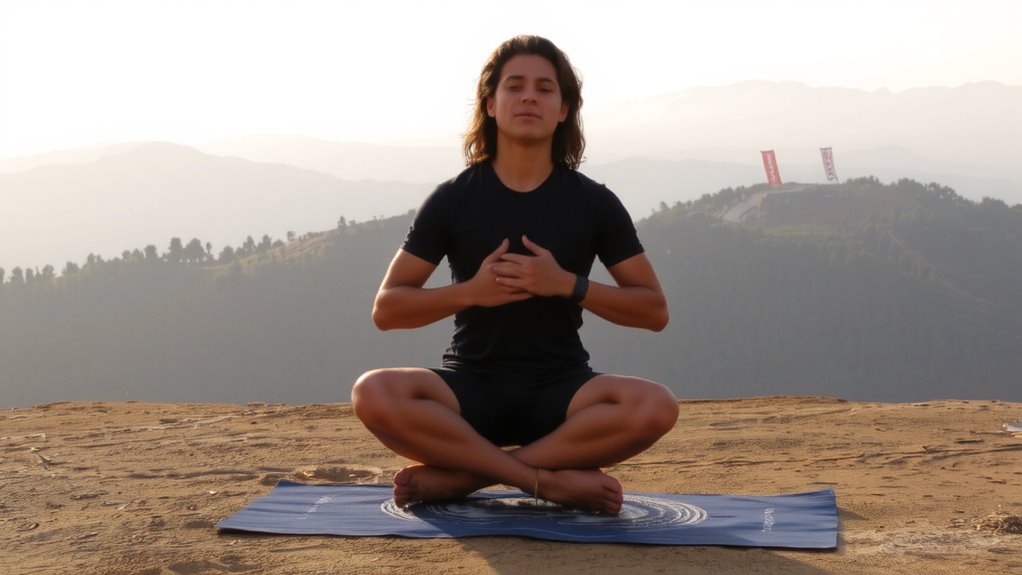
Recovery begins not just in the muscles but in the mind, where focus and intention can shape the body’s healing trajectory. You can harness mental imagery to accelerate recovery by guiding your thoughts with precision. Use positive cues-like warmth spreading through tired limbs or energy returning smoothly-to direct your body’s response. Visualize blood flowing to sore areas, delivering oxygen and removing waste. This isn’t fantasy; studies show mental imagery can reduce perceived soreness and improve recovery markers. Below is a simple sequence to follow:
| Step | Visualization Cue |
|---|---|
| 1 | Breathe deeply, releasing tension |
| 2 | Picture healing light in your muscles |
| 3 | Envision warmth easing stiffness |
| 4 | Focus on positive cues of strength returning |
| 5 | See yourself moving freely, recovered |
Consistency enhances effectiveness.
When to Visualize for Maximum Relief
Since timing plays a crucial role in how well visualization supports muscle recovery, choosing the right moments to practice can make a noticeable difference in your results. Incorporating visualization into your morning routine helps set a calm, focused tone for the day, priming your nervous system to manage discomfort more efficiently. You’re more receptive to mental rehearsal after rest, so a brief session upon waking enhances mind-muscle awareness. Equally effective is a bedtime practice, when your mind is relaxed and more open to guided imagery. During sleep, the brain consolidates healing signals, so ending the day with calming visualizations-like soothing warmth flowing through fatigued muscles-can deepen recovery. These consistent, well-timed habits outperform sporadic efforts. Unlike fitness gear that only aids physical support, strategic visualization timing actively improves perceived soreness, offering a low-cost, high-yield recovery tool grounded in neuroscience and athlete feedback.
Combine Breathing and Visualization for Better Results
When you sync your breath with guided imagery, the effect on muscle soreness becomes more than just psychological-it taps into measurable physiological responses that enhance recovery. Coordinating your breathing rhythm with visualization calms the nervous system, reduces perceived pain, and supports muscle relaxation. This synergy promotes mental clarity, helping you stay focused on healing rather than discomfort. Below is a simple technique breakdown:
| Phase | Action |
|---|---|
| Inhale (4 sec) | Envision drawing calm energy into tense areas |
| Hold (2 sec) | Visualize warmth softening tight muscles |
| Exhale (6 sec) | Release tension with each breath out |
Practicing this method post-marathon leverages both neurological and respiratory feedback loops. Unlike passive recovery tools, this approach actively engages your mind-body connection. It doesn’t replace compression gear or hydration, but it complements them by improving internal regulation. With consistent use, you’ll notice sharper mental clarity and a smoother recovery arc.
How Runners Stick With Visualization After a Marathon
How do some runners manage to maintain a consistent visualization practice after crossing the marathon finish line, while others let it fall by the wayside? You’re more likely to stick with it when you’ve built mental resilience during training. It’s not just about visualizing the race-it’s about reinforcing a performance mindset daily. Those who continue post-marathon link visualization to recovery, pairing it with cooldown routines or using wearable recovery gear like compression boots. They treat mental training like physical prep: scheduled, measurable, and essential. If you skip visualization once fatigue sets in, soreness feels heavier and progress stalls. But when you persist, you recalibrate your nervous system, reducing perceived pain. It’s not mystical-it’s neurological. Top performers don’t quit because they know recovery is part of performance. Consistency turns visualization from a tactic into a habit, one that supports long-term adaptation, injury prevention, and sustained gains.
On a final note
You’ve pushed your body to its limits, and now recovery matters just as much as the race. Visualization, backed by sports science, helps reduce perceived muscle soreness by calming the nervous system and directing focus toward healing. Paired with proper gear-like compression wear and smart hydration tools-it enhances recovery efficiency. Consistent use of these techniques doesn’t replace rest, but it supports faster, more effective adaptation, making them practical tools in any runner’s post-marathon routine.