Elevation-Assisted Recovery: Combining Legs Up Wall With Alternate Nostril Breathing
You recover faster by combining legs-up-the-wall with alternate nostril breathing because elevation boosts circulation while nasal breathing activates your parasympathetic nervous system. This dual approach reduces muscle tension, lowers cortisol, and enhances venous return more effectively than passive rest. No fitness gear is needed, making it practical for daily use. Proper alignment and rhythmic breathing maximize results, especially when done consistently at dawn or dusk. There’s more to optimizing this recovery method.
Notable Insights
- Elevating legs on a wall enhances venous return and reduces lower limb swelling through gravitational support.
- Alternate nostril breathing activates the parasympathetic nervous system, lowering heart rate and cortisol levels.
- Combining elevation and breathwork synchronizes physical and nervous system benefits for deeper recovery.
- Practice after exercise or before bed optimizes circulation and supports natural sleep onset.
- Use a blanket under the hips and ensure full leg support to maximize comfort and alignment.
How to Combine Legs Up the Wall and Nostril Breathing
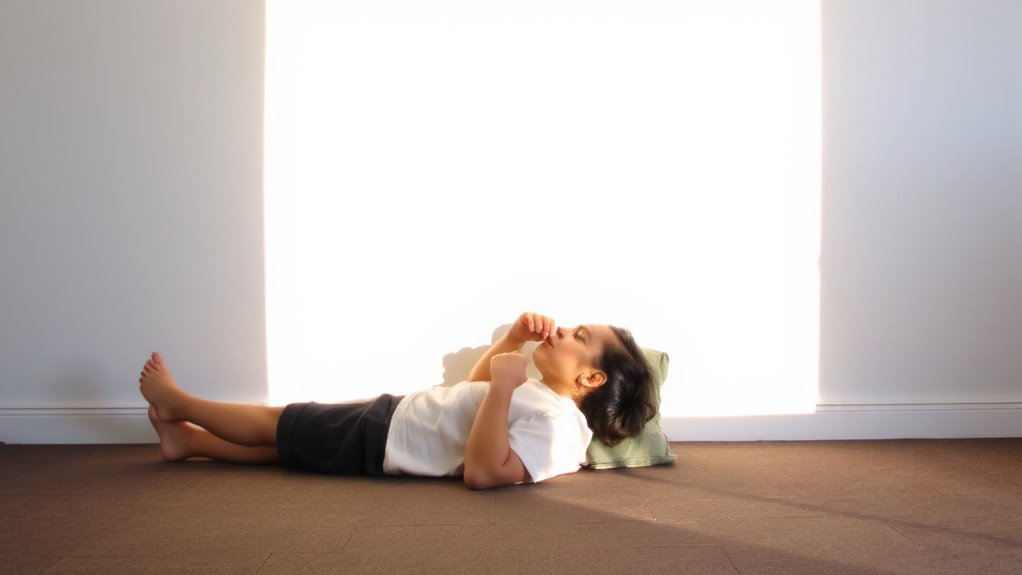
Why not start your recovery session by syncing simple breathing with strategic body positioning? You lie on your side next to a wall, swing your legs up, and settle into the inverted pose-legs vertically aligned, hips close to the baseboard. This isn’t just relaxation; it’s an intentional move to enhance circulation and activate the mind body connection. Now, introduce alternate nostril breathing: gently close your right nostril, inhale through the left, then switch and exhale through the right. This breath synchronization calms your nervous system and sharpens focus. The simplicity of the posture, combined with deliberate nasal breathing, amplifies recovery without needing complex fitness gear. You’re not just resting-you’re engaging a physiological reset. Over time, this practice proves effective, practical, and accessible. With consistent use, you’ll notice improved mental clarity and reduced muscle fatigue, making it a reliable tool in your recovery routine.
Why Elevation and Breathwork Speed Up Recovery
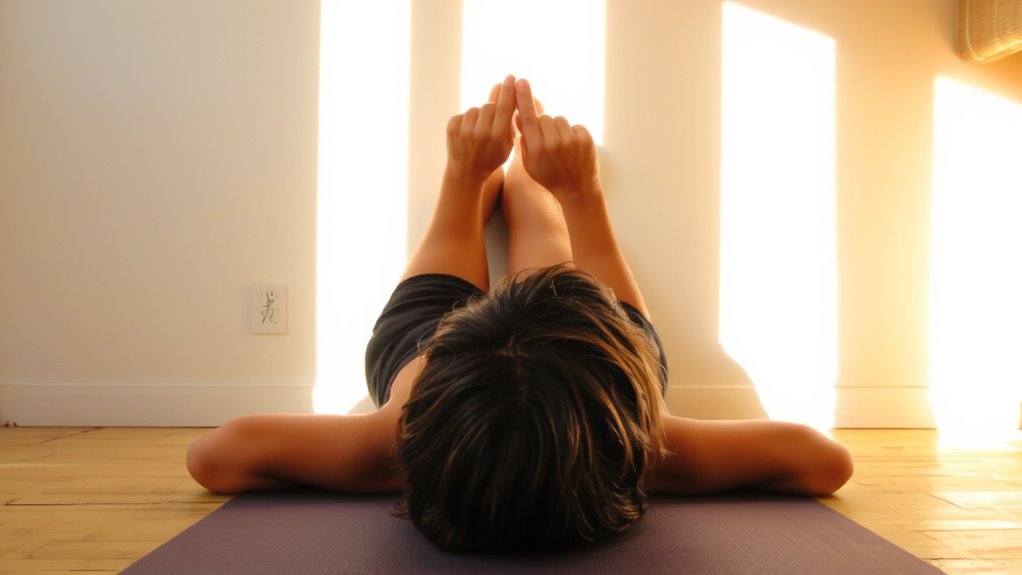
You’re already familiar with how legs-up-the-wall and alternate nostril breathing work together to calm the mind and support physical recovery, but what really makes this combo effective lies in the physiology behind elevation and controlled breath. Elevating your legs encourages muscle relaxation by reducing gravitational resistance in the circulatory system, allowing blood to return to the heart more efficiently. Meanwhile, alternate nostril breathing directly supports nervous balance by stimulating the parasympathetic nervous system, slowing heart rate, and reducing cortisol levels. Together, these techniques enhance recovery far more than passive rest alone. The breathwork isn’t just calming-it’s a physiological trigger that shifts your body from stress to restoration. When paired with proper elevation, muscle relaxation deepens, and nervous balance improves, making this method a functional, accessible recovery tool. No gear required, just intentional posture and breath-simple, effective, and grounded in science.
How Legs Up the Wall Improves Circulation
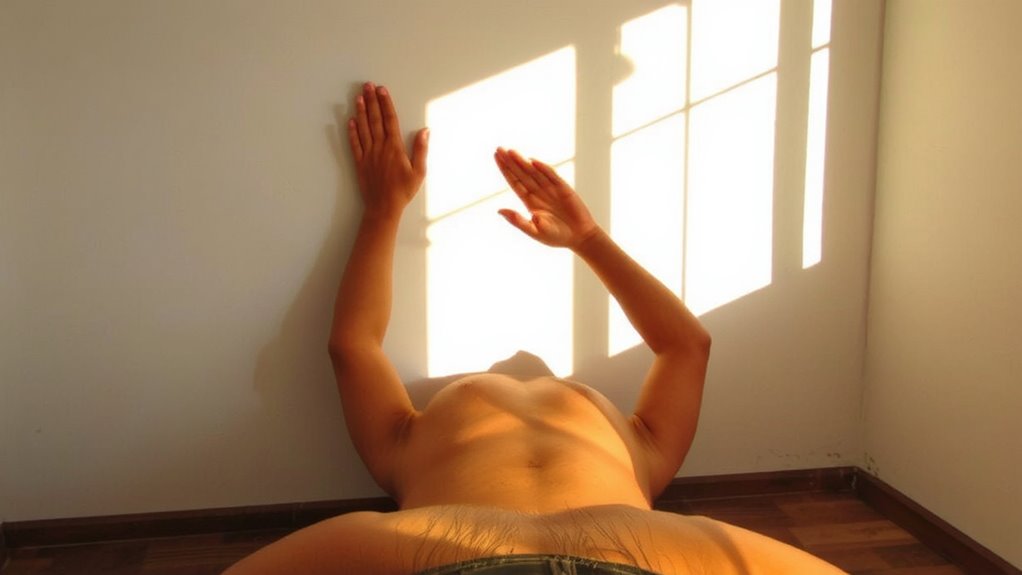
When you elevate your legs above heart level in the legs-up-the-wall pose, gravity shifts from a force that pools blood in your lower extremities to one that aids venous return, making circulation more efficient. This simple adjustment enhances blood flow back to your heart, reducing strain on your circulatory system. By positioning your legs vertically, you decrease vein pressure in the lower limbs, which can relieve feelings of heaviness or swelling after prolonged standing or rigorous activity. Many find this pose a practical, equipment-free way to support recovery, especially when used alongside supportive tools like compression gear or foam rollers. It’s not a cure-all, but as a low-risk practice, it offers measurable benefits. Regular use may improve circulation dynamics over time, helping muscles recover faster. For those integrating recovery into fitness routines, this pose delivers clear physiological advantages with minimal effort.
How Nose Breathing Calms Your Nervous System
The way you breathe during recovery isn’t just automatic-it’s a direct signal to your nervous system, and nasal breathing in particular plays a key role in shifting your body into a state of relaxation. When you breathe through your nose, you promote parasympathetic activation, which slows your heart rate and lowers blood pressure. This happens partly because nasal breathing enhances vagus nerve stimulation, sending calming messages from your brainstem to major organs. Unlike mouth breathing, which can trigger stress responses, nasal airflow creates steady, rhythmic breath that supports recovery. You’ll notice reduced muscle tension and mental clarity when you maintain this pattern. In fitness recovery, pairing nasal breathing with supportive gear-like ergonomic yoga props-improves overall effectiveness. It’s not just about rest; it’s about guiding your body into a state where healing happens more efficiently. Consistent practice deepens the physiological benefits over time.
Best Times to Practice for Faster Recovery
Nasal breathing sets the foundation for effective recovery by signaling your body to relax and repair, but timing that practice can substantially amplify its benefits. Incorporating legs up the wall with alternate nostril breathing into your morning routine primes your nervous system for balanced energy and mental clarity without stimulation. It’s a low-effort, high-return practice that complements mobility work or precedes light stretching. Equally powerful, the evening wind down offers an ideal window to shift from sympathetic dominance to parasympathetic restoration. Doing this combo after training or during digital detox time reduces cortisol and improves sleep onset. The synergy of elevation and rhythmic nasal breathing maximizes blood return and neural calming. For consistent recovery gains, aim for daily use-ideally once at dawn and again at dusk. This timing aligns with circadian physiology, making it more effective than random, sporadic sessions.
Fixing Discomfort and Breathing Hiccups
Though you’re aiming for deep restoration, slight adjustments in setup can make legs up the wall feel anything but soothing-especially if your lower back aches or your breathing feels restricted. Proper body alignment is key: shift your hips slightly away from the wall if your back strains, or slide a folded blanket beneath your pelvis to tilt the pelvis and ease lumbar tension. Guarantee your legs rest fully supported, feet relaxed, to prevent hamstring pull. If your breath rhythm falters, it may signal misalignment or tension. Try narrowing the focus to nasal breathing-smooth inhales, steady exhales-to recalibrate. Some find a bolster under the knees or a cushion under the spine improves comfort and supports natural spinal curves. Quality props matter: dense, non-slip blocks and breathable fabrics enhance stability and skin comfort. These small tweaks refine performance, turning discomfort into recovery you can actually feel. For additional lumbar support, consider using a pillow specifically designed for best pillows for back support.
On a final note
You’ll recover faster by combining legs up the wall with alternate nostril breathing-elevation boosts circulation while breathwork calms your nervous system. This low-effort routine requires no special gear, just a wall and mindfulness. It’s most effective post-workout or before bed. Though minor discomfort may occur, adjusting your position helps. These evidence-backed techniques enhance recovery efficiency, making them practical additions to any fitness regimen.