Dynamic Stretching Routine to Activate Glutes Before a Low-Impact Pilates Class
You should start with dynamic stretches to wake up your glutes before a low-impact Pilates class. Try walking glute kicks, banded lateral walks, leg swings, fire hydrants, and dynamic squats-each boosts neural drive and targets key activation zones. These moves enhance joint mobility and guarantee proper muscle recruitment, reducing strain on your back and hamstrings. Focus on form, not speed, to build efficient firing patterns; doing so sets the foundation for precise, powerful movements that carry through your entire session. There’s a smarter way to structure this prep work.
Notable Insights
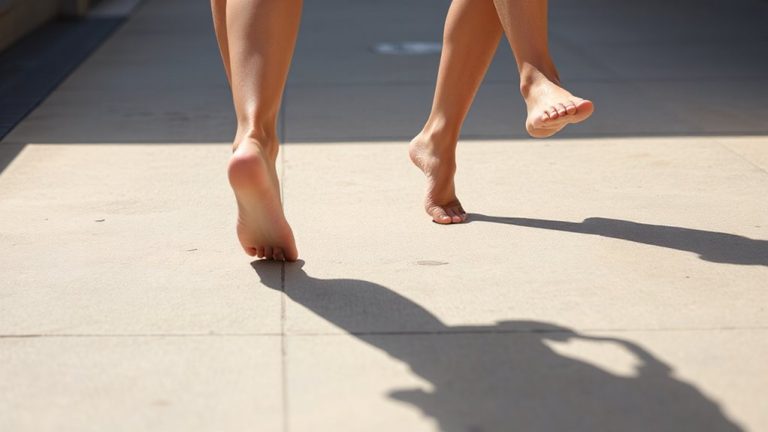
- Perform walking glute kicks to prime the posterior chain and enhance hip mobility before Pilates.
- Use banded lateral walks to activate the glute medius and support pelvic stability.
- Incorporate forward and lateral leg swings to improve hip range of motion and neuromuscular readiness.
- Execute fire hydrants with controlled motion to isolate glutes and engage core for stability.
- Do dynamic bodyweight squats to mimic Pilates movement patterns and boost glute activation.
Activate Your Glutes Before Pilates
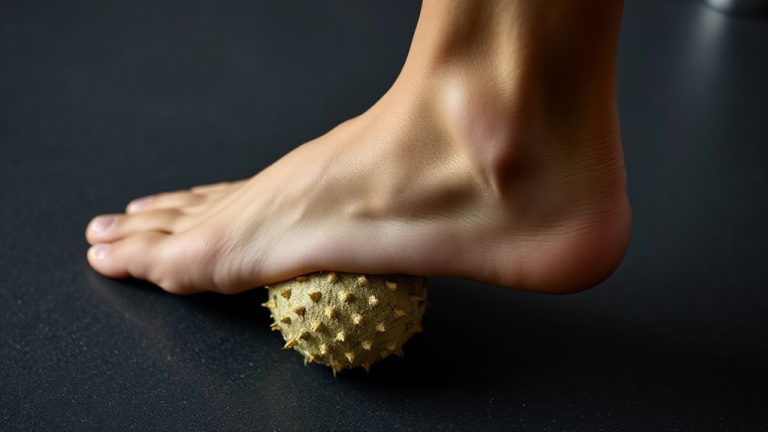
Glute activation isn’t just a warm-up step-it’s your foundation for effective Pilates work. Without proper glute engagement, you’re more likely to compensate with weaker muscles, undermining form and reducing benefits. You need to fire up those glutes deliberately so they respond when called upon during movements like bridges or leg lifts. Achieving muscle symmetry guarantees balanced force distribution, preventing strain and improving alignment. Think of it as quality control: weak or delayed glute firing disrupts movement efficiency. Using tools like resistance bands or foam rollers helps, but their real value lies in consistent, correct use. Fitness gear supports activation, but it can’t replace mindful technique. You still have to focus on contraction quality, not just going through motions. Proper activation primes your body for precision, control, and long-term joint protection-cornerstones of Pilates success.
Wake Up Your Glutes With Dynamic Stretching
Why do your glutes feel stiff or unresponsive before a workout, even after foam rolling? Static release isn’t enough-you need movement to spark neural drive. That’s where dynamic stretching comes in. These active motions prime your body for better glute engagement, turning sleepy muscles into active powerhouses. Unlike passive techniques, dynamic stretches boost blood flow, enhance neuromuscular connection, and promote muscle symmetry by correcting imbalances between sides. You’re not just warming up-you’re re-educating your movement patterns. This is essential before low-impact Pilates, where precision and control rely on proper activation. Skipping this step means risking poor form, reduced effectiveness, and compensatory strain on hips or lower back. Investing two to three minutes in targeted movement prep delivers noticeable returns in performance and joint safety. It’s not about intensity-it’s about intelligent preparation that aligns function with form.
Do These 5 Dynamic Stretches Before Class
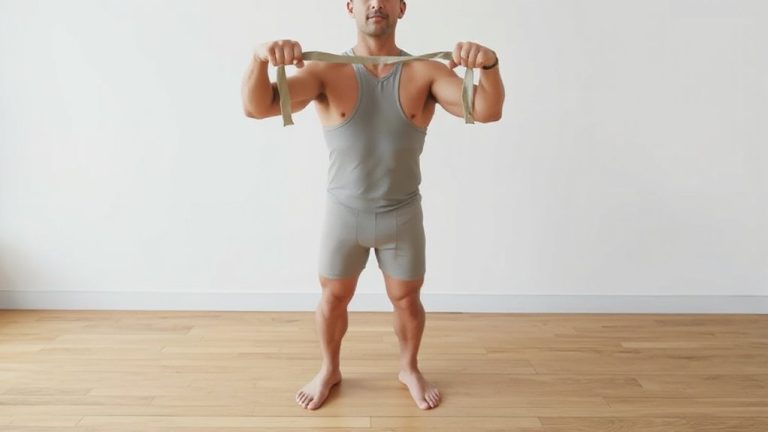
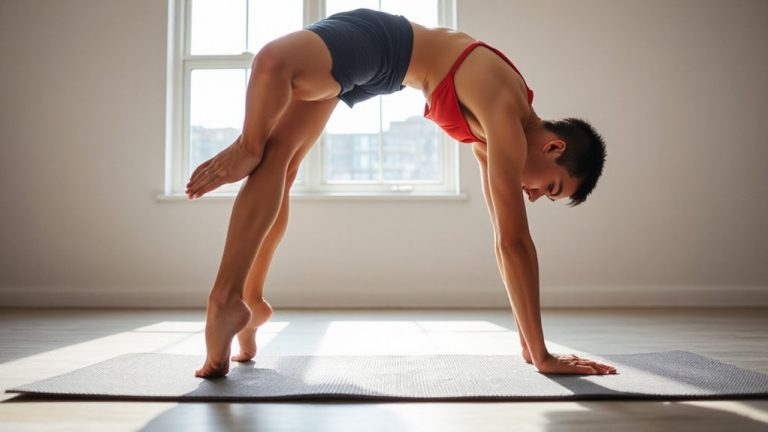
Loosening up with purpose starts here-these five dynamic stretches are your blueprint for accessing gluteal activation before class. Begin with walking glute kicks to boost joint mobility and prime your posterior chain. Add banded lateral walks to fire up your glute medius, building muscle memory for proper pelvic alignment. Try leg swings in both planes to enhance hip mobility and neuromuscular coordination. Incorporate fire hydrants to isolate the glutes while stabilizing your core, then finish with dynamic squats that mimic movement patterns you’ll use in Pilates. These stretches aren’t just warm-ups-they’re functional primers. With consistent use, they improve joint mobility and reinforce muscle memory, making your form more efficient over time. Quality matters: perform each with control, not speed. Using a resistance band adds feedback and resistance, enhancing engagement. Do them in order, two sets each, and you’ll move into class with sharper awareness and readiness. Your glutes will respond faster, move smarter, and support your body better.
Perfect Your Glute Activation Form
Now that you’ve warmed up with targeted movements, it’s time to focus on how you’re engaging the right muscles. Proper glute activation hinges on two key principles: glute isolation and mind muscle connection. You’ll want to consciously contract your glutes during each movement, ensuring they’re doing the work instead of letting hamstrings or lower back compensate. This isolation isn’t just about strength-it’s about neuromuscular precision. By sharpening your mind muscle connection, you send clearer signals from your brain to your glutes, improving activation efficiency. Think of it as quality over quantity: fewer, controlled reps with full attention yield better results than rushing through motions. Use slow, intentional lifts-like glute bridges or fire hydrants-to reinforce proper firing patterns. Over time, this focused form translates to stronger, more responsive glutes during Pilates, enhancing stability and movement accuracy.
Avoid These Glute Activation Mistakes
You’re not alone if you’ve felt your lower back or hamstrings take over during glute exercises-this common mistake undermines activation and limits gains. Poor glute isolation shifts workload to dominant muscles, reinforcing muscle imbalances that reduce performance and increase injury risk. To maximize effectiveness, focus on controlled tempo and neuromuscular intent, not momentum. Avoid flaring your ribs or arching your back; keep your pelvis neutral. Many rely on gear like resistance bands, but improper placement (too high or low) reduces stimulus.
| Mistake | Correction |
|---|---|
| Arching lower back | Engage core, tuck pelvis slightly |
| Hamstring dominance | Reduce range, focus on glute squeeze |
| Rapid, bouncy reps | Use slow, deliberate motion |
| Poor band placement | Position just above knees |
| Ignoring mind-muscle connection | Visualize glutes working |
Effective glute activation demands precision, not force.
Build a 5-Minute Pilates Warm-Up Routine
Why do so many warm-ups fail to prime the glutes effectively? They skip mindful breathing and neglect core engagement, leaving key muscles underactive. You need a smarter approach-one that blends mobility with neuromuscular prep. Start on your back: perform 10 pelvic til初三, syncing each movement with slow, mindful breathing. This wakes up your deep core and connects mind to muscle. Shift to glute bridges: lift with control, hold for two seconds, and lower smoothly-do 12 reps. Add fire hydrants on all fours (10 per side) to fire up the glute medius. Finish with standing hip circles-5 in each direction-to lubricate the joint and boost blood flow. Throughout, maintain core engagement to stabilize your pelvis and amplify glute output. This 5-minute routine isn’t just movement; it’s preparation. It targets activation, not just motion, ensuring your glutes lead-not lag-during class.
On a final note
You’ll find dynamic stretches effective for glute activation, priming muscles before Pilates. They boost circulation, enhance joint mobility, and sharpen neuromuscular control-key for precision work. When paired with proper form, these movements reduce injury risk and improve movement efficiency. Recovery benefits stem from mindful warm-ups that align muscle groups with intent. Quality fitness gear, like supportive mats and breathable wear, complements performance, aiding comfort and stability throughout your practice.