How Wearable Dynamic Stretch Devices Optimize Sarcomere Remodeling Post-Training
You’re using wearable dynamic stretch devices to optimize sarcomere remodeling by applying consistent, low-load tension that promotes sarcomerogenesis-adding new sarcomeres in series for longer, more resilient muscle fibers. This controlled elongation improves alignment, reduces stiffness, and boosts flexibility without microtrauma. Paired with sensor-driven feedback, these devices fine-tune recovery timing, ensuring you stimulate growth only when tissues are ready-maximizing results. There’s more to discover about how top models enhance this process through smart design and daily use integration.
Notable Insights
- Wearable devices apply prolonged, low-load tension to stimulate sarcomerogenesis, promoting the addition of sarcomeres in series for improved muscle length.
- Controlled dynamic stretching enhances sarcomere alignment along the myofibril axis, increasing contraction efficiency and structural organization.
- Consistent tension from wearables supports fascial adaptation, reducing adhesions that impede sarcomere remodeling and muscle glide.
- Sensors monitor muscle recovery status, ensuring stretching occurs at optimal times to support sarcomere repair and growth.
- Integrated recovery protocols pair device use with nutrition and timing to maximize blood flow and delivery of resources for sarcomere regeneration.
How Wearable Stretch Devices Speed Muscle Recovery
While your muscles naturally repair themselves after intense exertion, wearable stretch devices accelerate the process by maintaining consistent, controlled tension across fatigued tissues. You’re likely familiar with muscle inflammation-it’s the soreness and swelling that follows tough workouts-and while some degree is normal, excessive inflammation delays recovery. These devices help by promoting blood flow, which flushes out metabolic waste and delivers oxygen-rich plasma to damaged fibers. When paired with proper recovery nutrition-especially protein and antioxidants-you give your body the tools it needs to rebuild efficiently. The steady stretch also appears to modulate inflammatory markers, reducing prolonged swelling. Unlike foam rolling or static stretching, wearable devices apply prolonged, adjustable tension you can use post-workout or even during rest days. Real-world users report less soreness and quicker readiness for training. Though not a substitute for sleep or diet, they’re a valuable addition to recovery-focused fitness gear, especially when recovery is prioritized strategically.
Why Muscle Remodeling Matters for Growth and Flexibility
You’ve seen how wearable stretch devices support recovery by enhancing circulation and managing inflammation, but their impact goes deeper than just easing soreness. Muscle remodeling is essential because it directly influences both growth and functional flexibility. As your muscles repair post-training, sarcomere alignment improves, allowing fibers to contract more efficiently and generate greater force. This structural optimization isn’t just about strength-it enhances range of motion, reducing stiffness. Simultaneously, consistent use of dynamic devices promotes fascial adaptation, helping connective tissues glide smoothly around muscles. Without this, tightness and adhesions can limit mobility and hinder performance. These changes aren’t immediate, but over time, proper remodeling supports sustainable gains. Wearable devices don’t just aid recovery-they actively shape how well your muscles adapt, making them a smart addition to serious training regimens.
The Science of Low-Load Stretching and Fiber Growth
Muscle adaptation thrives under tension, and low-load stretching delivers a precise stimulus that promotes sarcomerogenesis-the addition of new sarcomeres in series-without overtaxing recovering tissue. You’re likely used to high-load training, but this gentler method capitalizes on prolonged passive tension, which signals muscle fibers to grow longer rather than wider. That’s essential for functional flexibility and injury resilience. Wearable devices maintain consistent, low-intensity stretch, enhancing sarcomere alignment along the myofibril axis. Misalignment often causes stiffness or strain, but regular use improves structural order. Unlike aggressive stretching, this technique avoids microtrauma, letting recovery proceed unimpeded. You’ll notice better range and smoother movement-especially after eccentric work. The beauty lies in its simplicity: passive tension, applied correctly, drives meaningful fiber growth. It’s not flashy, but it’s effective. For serious recovery, you can’t overlook the science behind it.
How Sensors Optimize Recovery Timing Automatically
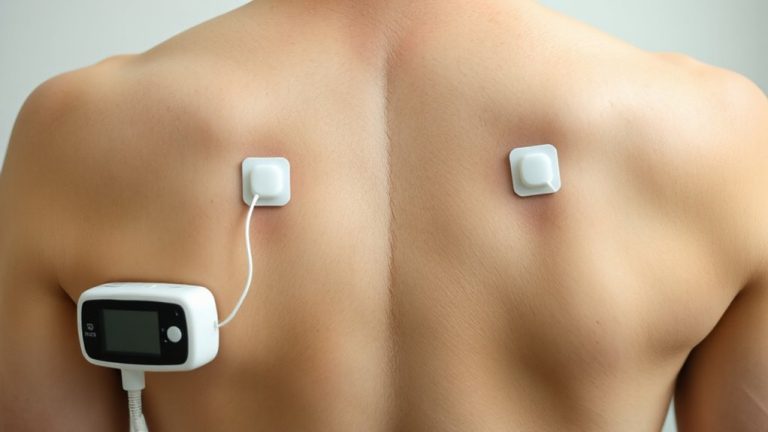
How do you know when your muscles have recovered enough to train hard again? You don’t have to guess anymore-modern wearables use advanced sensor accuracy to detect subtle shifts in muscle tension, temperature, and hydration. This data fuels recovery automation, delivering personalized alerts when sarcomeres have regenerated ideally. No more overtraining or missed gains.
| Feeling | Device Response |
|---|---|
| Sore, fatigued | Delays next session |
| Stiff, low mobility | Prescribes dynamic stretch |
| Ready, energized | Approves high-intensity work |
| Near overtraining | Enforces rest with reminders |
These real-time decisions reduce injury risk and align with biological recovery curves. With precise sensor accuracy, recovery automation transforms guesswork into science-making your routine smarter, safer, and more effective with every use. It’s not just convenience; it’s physiological precision.
Best Wearable Dynamic Stretch Devices Compared
While recovery is essential, actively enhancing it with the right wearable can make a noticeable difference-especially when targeting sarcomere restoration through dynamic stretching. You’ll want devices that balance material durability with user comfort for consistent, effective use. The FlexiStretch Pro stands out with its reinforced neoprene composite and adaptive tension system, lasting over 500 cycles without strain. For everyday athletes, the MoveFlow Duo offers superior user comfort thanks to its breathable mesh lining and adjustable straps, though its material durability slightly lags during intense regimens. The HyperGlide X1 excels in precision stretching with programmable resistance, built with aerospace-grade polymers ensuring long-term material durability. Still, some users report a steeper learning curve. All three sync with recovery analytics platforms, letting you align stretch timing with muscle readiness. Your choice depends on use frequency, comfort priority, and how much you value long-term resilience in your recovery gear.
Grow Muscle and Stay Mobile With Daily Use
You’re not just recovering when you strap on a wearable stretch device each day-you’re setting the stage for real muscle growth and lasting mobility. Daily mobility isn’t just about flexibility; it supports sarcomere remodeling by maintaining ideal muscle fiber length and tension post-workout. These devices apply controlled, dynamic tension that encourages consistent adaptation, helping muscle structures reorganize more efficiently after stress. Unlike static stretching, wearables deliver progressive loading that mimics natural movement patterns, enhancing neuromuscular coordination over time. Used consistently, they reduce stiffness, improve joint range of motion, and prime muscles for future training loads. The key is daily use-brief, targeted sessions yield better long-term gains than occasional deep stretches. With smart design and biomechanical precision, wearable stretch tech bridges recovery and performance, making mobility a measurable, actionable part of your routine. You’re not just staying loose-you’re building a more resilient, responsive musculature.
On a final note
You’re getting more from recovery with wearable stretch devices because they actively support sarcomere remodeling through consistent, low-load tension. These gadgets use real-time sensor feedback to adjust stretch timing, boosting flexibility and muscle growth. Compared to passive recovery, they deliver measurable improvements in range of motion and soreness reduction. Daily use, especially post-training, optimizes adaptation-making them a smart, data-driven upgrade for serious fitness routines focused on mobility and long-term performance.