Cervical Mobility Drills With Supine Neck Side Bends
You’re improving cervical mobility when you perform supine neck side bends correctly-this drill restores alignment and reduces joint compression by working in a gravity-neutral position. It activates dormant stabilizers and boosts proprioception through controlled, low-load motion. Pair it with mindful breathing and daily consistency for best results. You’ll notice better rotation, less stiffness, and improved neck function over time, especially after prolonged sitting. Continue exploring and you’ll uncover even more effective pairings and refinements.
Notable Insights
- Supine neck side bends improve cervical mobility by restoring alignment in a gravity-neutral position.
- Perform the drill with shoulders grounded and head tilted gently to enhance neuromuscular activation.
- Avoid shrugging or lifting the shoulder to maintain proper form and target deep neck stabilizers.
- Practice daily for 5–10 minutes, especially after prolonged sitting or screen use.
- Increased range of motion and reduced neck stiffness indicate progress in cervical mobility.
What Are Supine Neck Side Bends and Why They Work
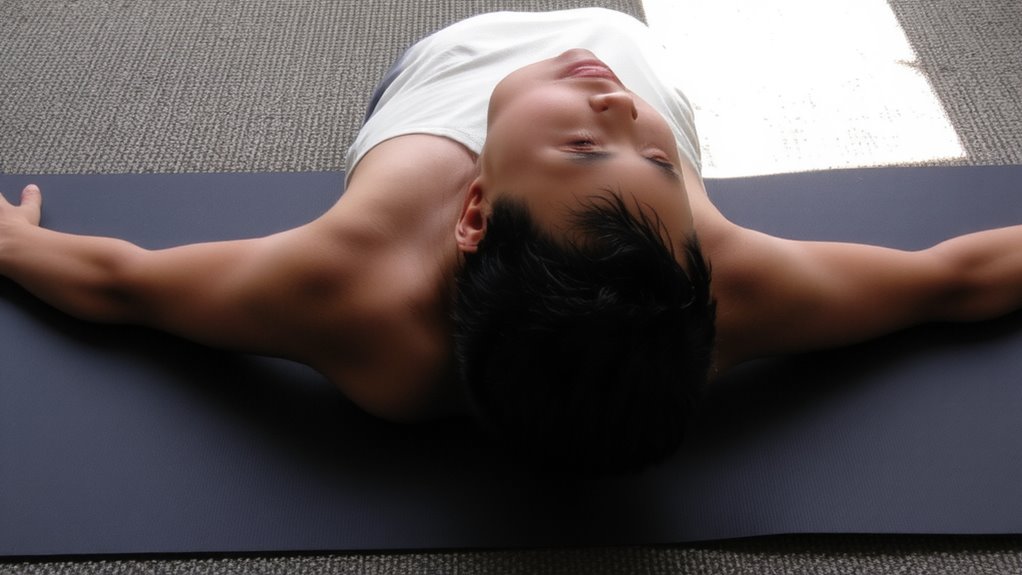
Ever wonder why such a simple move can make a real difference in how your neck feels after long hours at a desk? Supine neck side bends help restore anatomical alignment by gently repositioning the cervical spine in a gravity-neutral position. When you lie on your back and slowly tilt your head sideways, you’re not just stretching-you’re triggering neuromuscular activation in often dormant neck stabilizers. This low-load, controlled motion enhances proprioception and promotes healthier movement patterns over time. Unlike aggressive stretches, this drill avoids joint compression, making it ideal for recovery-focused routines. It’s especially effective when paired with mindful breathing and consistency. Fitness gear like supportive pillows can enhance the position, but aren’t essential. You’ll likely notice reduced stiffness and improved range within days. It’s not flashy, but in the world of mobility, subtlety often wins. This drill works because it respects the body’s design while retraining it.
Proper Form for Supine Neck Side Bends

A properly executed supine neck side bend starts with your head aligned over a flat surface, shoulders relaxed, and knees bent to maintain spinal neutrality. You’ll engage in controlled muscle activation by gently tilting your head to one side, bringing your ear toward your shoulder without lifting the opposite shoulder. Keep your neck elongated and avoid shrugging-this guarantees targeted cervical engagement. Breathing control is essential; inhale deeply through the nose, exhale slowly as you ease into the stretch, letting tension release with each breath. Your sternocleidomastoid and upper trapezius should feel mildly stretched, not strained. Maintain a still pelvis and neutral chin position throughout. Use a thin towel under your head if surface contact causes discomfort. Consistent form enhances joint mobility and soft tissue resilience. This drill, when performed correctly, supports recovery by improving blood flow and reducing cervical stiffness-especially valuable after prolonged sitting or intense training. Incorporating the use of a best cervical pillow can further support neck alignment during rest and enhance the benefits of mobility work.
3 Common Mistakes in Supine Neck Side Bends
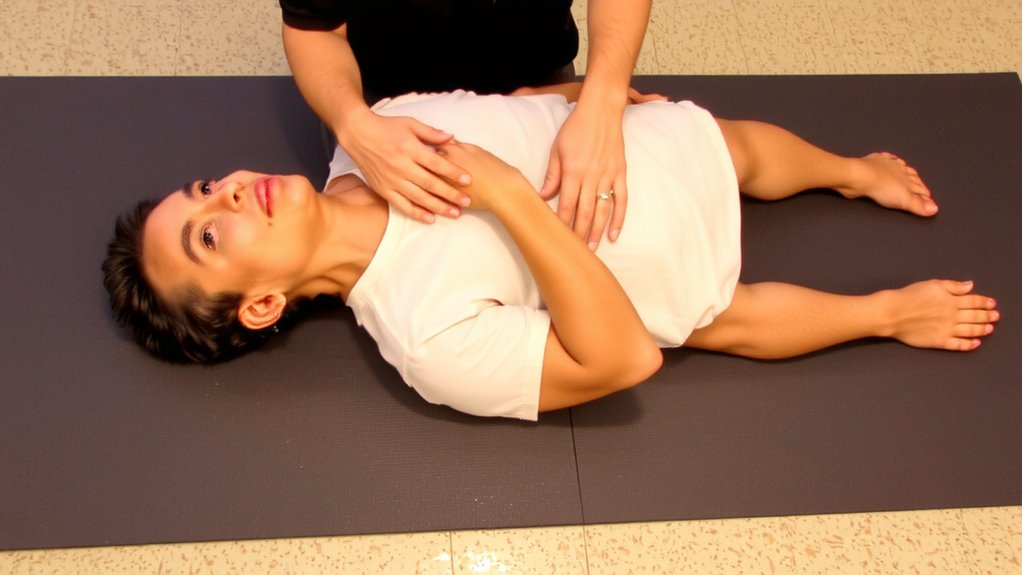
Why do so many people fail to gain meaningful benefits from supine neck side bends despite consistent practice? You’re likely making one or more common form errors. Lifting your head or allowing it to drift forward breaks proper alignment, diminishing the stretch. Overhead posture mistakes-like letting your shoulders hike toward your ears-create tension instead of release. You should keep your shoulders grounded and relaxed throughout. Another frequent issue is neglecting chin tucking; without it, you’re not properly engaging the deep cervical flexors or protecting the neck’s natural curve. This misalignment can increase strain rather than promote mobility. Also, pulling too hard with your hand limits controlled movement and risks overstretching soft tissues. You don’t need force-small, deliberate motions work best. Master these details, and you’ll see real progress in neck mobility and control. Choosing the right pillow can further support proper alignment during rest, and trying one of the best cervical pillows may enhance your overall neck health.
When You Should Do These Neck Stretches
How often should you actually perform these neck stretches to see real gains without risking strain? Aim for daily sessions, especially if you’re sedentary or spend long hours at a desk-consistent frequency timing enhances cervical mobility and reduces stiffness. Performing these stretches in the morning or after prolonged screen time optimizes recovery benefits by restoring alignment and easing muscular tension. You don’t need long durations; 5 to 10 minutes suffice. If you’re rehabbing from neck discomfort, twice-daily execution can accelerate improvement, but avoid overstretching-listen to your body’s feedback. Unlike aggressive fitness gear that demands precision, these drills rely on gentle, sustained effort. Integrating them into your routine isn’t just about mobility-it supports overall spinal health. Think of them as recovery tools, not performance enhancers. Regular use, proper form, and mindful frequency timing yield the best long-term outcomes without straining delicate neck structures. For added relief between stretches, consider using a top neck massager to complement your mobility routine.
Pair These Drills With Supine Neck Side Bends
You’ve likely already noticed improvements in neck comfort by sticking to daily mobility sessions, especially if you’re pairing them with smart recovery habits. Now, integrating supine neck side bends can amplify those gains-especially when you apply proper breathing techniques and mindful muscle engagement. These aren’t just passive tilts; they require subtle control to target the scalenes and upper trapezius without strain. Inhale deeply to prepare, then exhale slowly as you guide your head toward the mat, letting gravity assist without forcing range. You’ll feel a controlled stretch along the opposite side of your neck. Consistency here boosts cervical joint lubrication and neuromuscular coordination. Pairing these with foam rolling or recovery tools may enhance results, but proper form always comes first. Over time, this combo supports not just flexibility but functional neck stability-critical for posture and long-term spinal health.
Signs Supine Neck Side Bends Are Working
Isn’t it satisfying when subtle shifts in your routine start delivering noticeable results? With consistent supine neck side bends, you’ll begin to notice increased range of motion in your cervical spine-your head tilts sideways more freely, and rotating your neck feels less restricted. That stiffness you used to feel upon waking? It’s fading, thanks to reduced muscle tension along the upper trapezius and scalene muscles. You might catch yourself turning to check blind spots while driving with less effort, a real-world sign of progress. These drills target deep layers of cervical musculature, promoting balanced mobility. When recovery keeps up with training load, gains compound. Pairing these bends with quality recovery gear-like supportive pillows or posture aids-can amplify benefits. You’re not just moving better; you’re moving smarter. Over time, the cumulative effect supports long-term neck health, especially if you maintain proper form and consistency.
On a final note
You’re getting more from your recovery when supine neck side bends ease cervical tension without strain. These drills support mobility, especially after prolonged sitting or lifting. Paired with quality recovery gear-like supportive mats or ergonomic pillows-the results improve. You’ll notice better range of motion and reduced stiffness, signaling progress. Done consistently and with proper form, they’re a practical addition to any fitness recovery routine, blending well into cooldowns or mobility warm-ups.