Adapting Recovery Strategies Throughout an Athlete’s Career Lifespan
As you age, recovery slows due to lower hormone levels and less efficient cellular repair, so your strategies must evolve. Early on, prioritize sleep and protein pacing; later, focus on joint health and sleep quality. Swap aggressive recovery for consistent, restorative practices like mobility work and targeted compression. Supplements and gear help, but only when aligned with life stress and biology. Adaptation is key-your next move reveals more.
Notable Insights
- Hormonal changes with age reduce muscle repair, requiring tailored recovery to offset declining testosterone and growth hormone levels.
- Early-career athletes need 9–10 hours of sleep and consistent protein pacing to support growth and neural development.
- Joint preservation becomes critical later in a career, emphasizing mobility, eccentric loading, and supportive gear like knee sleeves.
- Swapping aggressive recovery for restorative practices such as light cycling or foam rolling sustains long-term performance and reduces cumulative stress.
- Balancing training with life stress demands integrated recovery, including sleep, nutrition, and mental fatigue monitoring for optimal adaptation.
Why Aging Slows Athletic Recovery
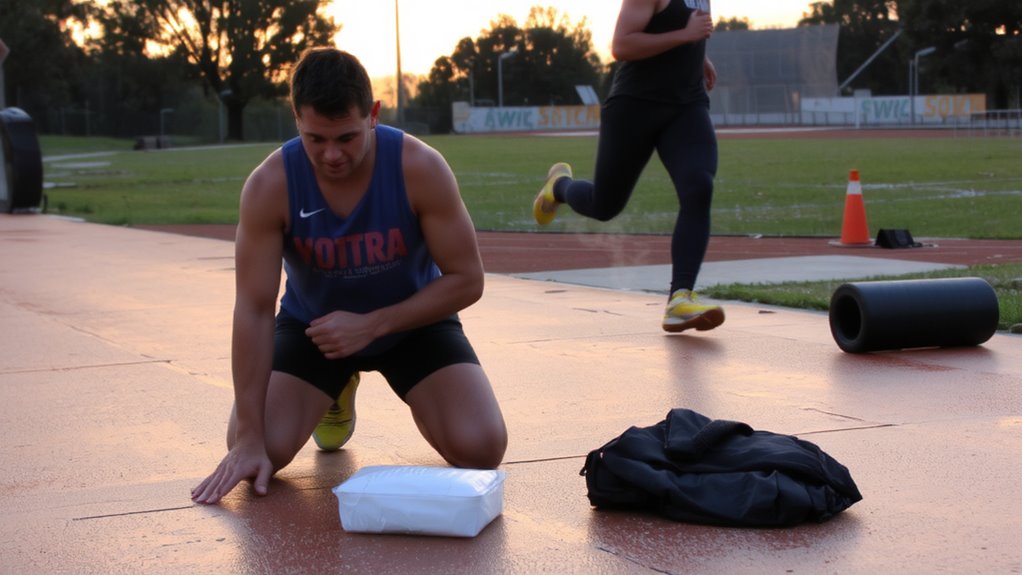
While your body has always been capable of pushing limits, the truth is that aging gradually reduces its ability to bounce back after intense training. You experience this most clearly through hormonal decline, which slows muscle synthesis and energy regulation. Testosterone and growth hormone levels drop, directly impairing recovery speed and strength retention. At the same time, cellular repair mechanisms become less efficient-damaged tissues take longer to regenerate, increasing injury risk. Recovery tools like compression gear and massage devices still help, but they can’t fully compensate for internal slowdowns. You’ll find that passive recovery strategies yield diminishing returns without adjustments. Older athletes need smarter, more consistent routines that support weakened biological processes. Advanced fitness gear may enhance circulation or reduce soreness, but it works best when aligned with your body’s evolving needs. One effective addition is using targeted compression, such as best recovery sleeves, which can improve blood flow and support muscle repair during the recovery phase. Ultimately, understanding these changes lets you adapt effectively and train sustainably.
Sleep and Nutrition Needs by Career Stage
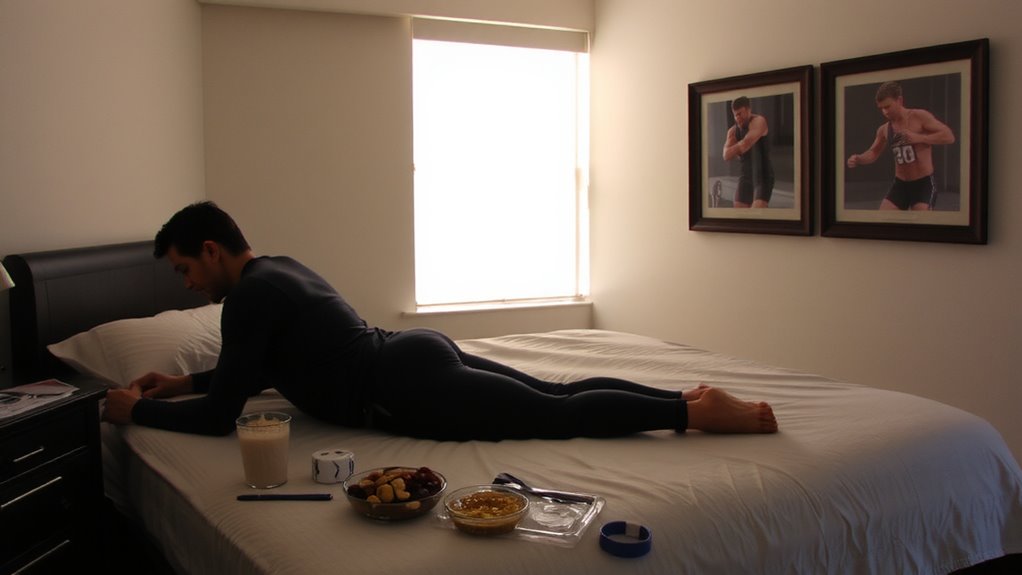
As you progress through different phases of your athletic career, your body’s demand for restorative sleep and targeted nutrition shifts significantly, requiring adjustments that go beyond generic guidelines. During early development, you need more sleep-around 9 to 10 hours-for growth hormone release and neural adaptation, paired with consistent protein pacing to support muscle development. As you hit peak performance years, recovery demands increase, making strategic hydration timing essential-replenishing electrolytes pre-, intra-, and post-training optimizes output. Protein pacing throughout the day, not just post-workout, enhances repair. When moving into later career stages, sleep efficiency often declines, so prioritizing sleep quality and adjusting nutritional density becomes essential. Aligning hydration timing with circadian rhythms and reducing nighttime fluid intake can improve rest. These nuanced strategies, backed by research on metabolic turnover and recovery physiology, help athletes sustain performance. Generic supplement stacks or one-size-fits-all recovery gear rarely address these evolving needs effectively.
Protecting Joints and Healing Old Injuries
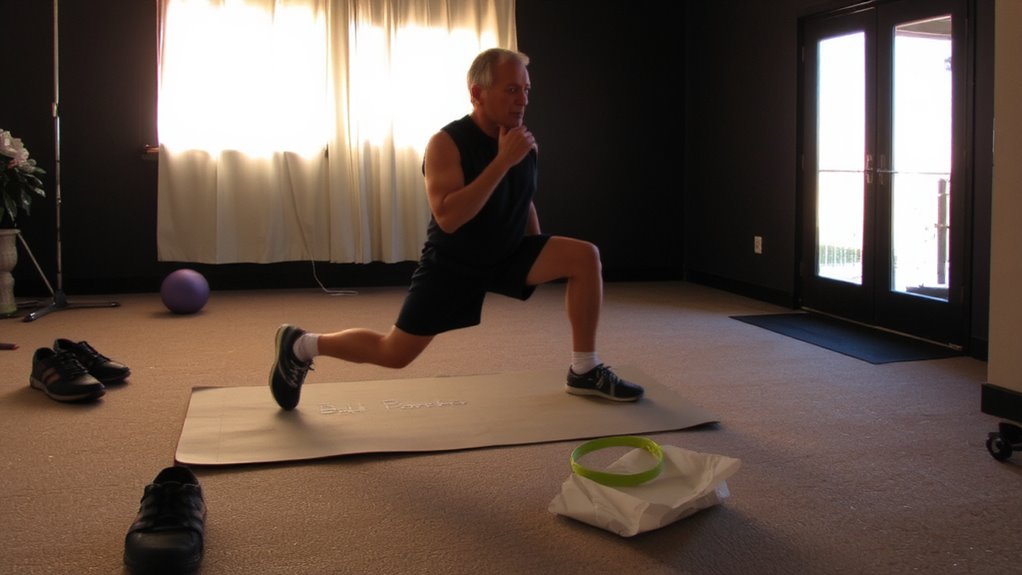
You’ve tuned your sleep schedule and refined your nutrition to match your career stage, but even the most optimized recovery plan can fall short if old injuries linger or joint health declines. Joint preservation becomes critical as wear accumulates over years of training. You need strategies that support cartilage integrity, reduce inflammation, and maintain mobility-especially in high-impact joints like knees and shoulders. Consistent injury rehabilitation isn’t just about fixing the past; it’s about preventing future setbacks. Incorporating mobility work, eccentric loading, and targeted strength exercises helps stabilize vulnerable areas. Recovery gear like compression units or pulsed electromagnetic field (PEMF) devices may aid tissue repair, though results vary. Choosing the right supportive gear, such as best knee sleeves for powerlifting, can further enhance joint stability during intense training phases. Ultimately, long-term joint health depends on proactive care, not just reactive fixes. Prioritizing joint preservation and structured injury rehabilitation guarantees you stay in the game-stronger and smarter-through every career phase.
Swapping Intense Recovery for Restorative Practices
Why do elite athletes increasingly prioritize gentle, daily recovery over aggressive post-workout interventions? Because long-term performance depends on consistency, not crash-and-burn fixes. You’re better off swapping intense cryotherapy or deep-tissue sessions for restorative practices like active recovery and mobility training. These aren’t passive choices-they’re strategic. Active recovery, such as light cycling or swimming, boosts circulation without adding stress. Mobility training enhances joint range and muscle coordination, reducing wear over time. Unlike aggressive modalities that can disrupt adaptation, these methods support your nervous system and promote sustainable training loads. Recovery gear like foam rollers or resistance bands help, but only if used correctly and consistently. The goal isn’t soreness reduction overnight-it’s resilience built daily. Smart recovery isn’t flashy; it’s functional, repeatable, and built into your routine. Top-rated options include best recovery bands for targeted muscle relief and improved flexibility.
Recovering Smarter With Life and Training Stress
How do you guarantee recovery keeps pace when life’s demands stack atop heavy training loads? You adapt by integrating recovery that addresses both physical and mental fatigue. Ignoring stress from work, relationships, or sleep loss undermines even the best training plan. Smart recovery means monitoring overall load and adjusting-scaling back workouts when mental fatigue clouds focus or reaction time. Lifestyle balance isn’t optional; it’s foundational. Tools like compression gear, foam rollers, or cooling vests help, but only if used strategically. Their real value emerges when paired with consistent sleep, nutrition, and intentional rest. Recovery isn’t just physical-it’s behavioral. Athletes who track both training and life stress recover smarter, not harder. Prioritizing lifestyle balance prevents burnout and sustains performance. The best gear supports the system, but only when your habits align. Recovery isn’t passive; it’s a deliberate practice woven into daily life.
On a final note
You’ll need to adapt recovery as you age, since slower healing and accumulated wear demand smarter strategies. Prioritize sleep and nutrient timing, especially in your 30s and beyond. Swap ice baths for mobility work and compression gear to support joint health. Restorative practices beat intense recovery when managing long-term training stress. The right fitness gear-like foam rollers and recovery boots-can help, but consistency and listening to your body matter more.