The Role of Platelet-Rich Plasma (PRP) in Facilitating Faster Tendon Healing
You get faster tendon healing with PRP because it delivers a concentrated dose of your own platelets, rich in growth factors like PDGF and TGF-β, straight to the injured site. It jumpstarts tissue repair, boosts collagen, and strengthens tendon structure-especially helpful in stubborn cases like tennis elbow or Achilles issues. While results vary, it’s a smart, minimally invasive choice over steroids or surgery. Recovery works best when you pair it with rehab. There’s more to reflect on about who benefits most and why timing matters.
Notable Insights
- PRP accelerates tendon healing by delivering concentrated growth factors like PDGF and TGF-β to the injury site.
- It enhances collagen production and recruits repair cells to improve tendon structure and strength.
- Tendons with poor blood supply, such as in lateral epicondylitis, respond well to PRP treatment.
- PRP injections are minimally invasive and promote healing without the tissue-weakening risks of corticosteroids.
- Optimal results occur when PRP is combined with targeted rehabilitation and administered during the early healing phase.
How Does PRP Help Tendon Healing?
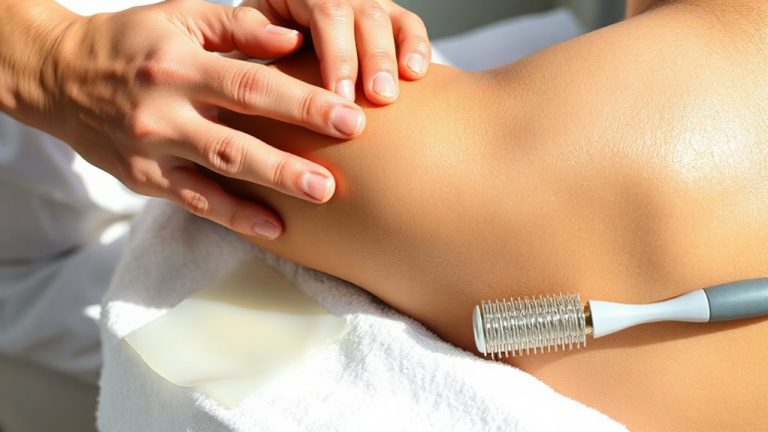
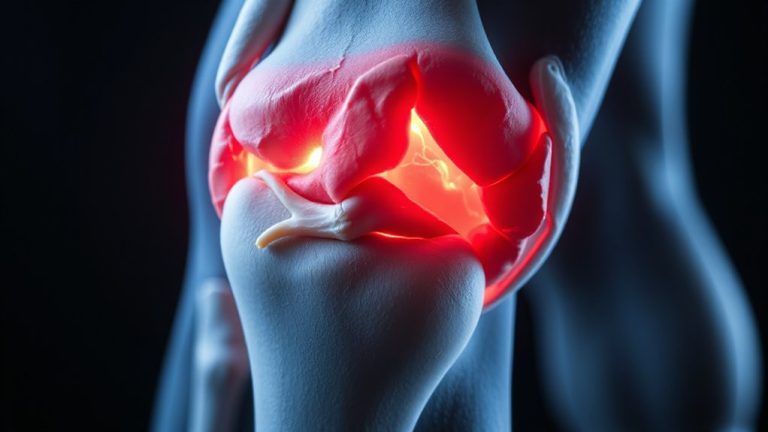
While your body naturally repairs tendon injuries over time, PRP-platelet-rich plasma-can speed up the process by concentrating healing factors directly at the injury site. When injected, PRP delivers a powerful dose of growth factors that stimulate cellular activation, jumpstarting tissue regeneration. These growth factors, like PDGF and TGF-β, enhance collagen production and attract repair cells precisely where needed. You’re fundamentally amplifying your body’s existing healing blueprint. Clinical observations show improved structural integrity in tendons post-PRP, though results vary by individual and injury depth. Unlike passive recovery tools or generic fitness gear, PRP actively intervenes at a biological level. It’s not a shortcut, but a targeted strategy grounded in regenerative science. While devices like foam rollers support circulation, PRP works beneath the surface, promoting internal repair. For those seeking more than symptomatic relief, it offers a medically backed option focused on long-term tendon health and functional restoration.
Which Tendon Injuries Improve Most With PRP?
Why do some tendon injuries respond better to PRP than others? Your injury’s location and chronicity play big roles. Tendons with poor blood flow or long-standing damage often benefit more from PRP’s growth factors. Evidence shows you’re likely to see strong results with lateral epicondylitis and Achilles tendinopathy-both common, stubborn issues. These respond well because PRP targets inflammation and supports tissue regeneration where healing normally lags.
| Injury Type | Response to PRP | Key Reason |
|---|---|---|
| Lateral epicondylitis | High | Poor vascularity, chronic strain |
| Achilles tendinopathy | Moderate-High | Slow healing, repetitive stress |
| Rotator cuff tendinopathy | Moderate | Mixed evidence, variable outcomes |
| Patellar tendinopathy | Moderate | Requires precise injection timing |
You’ll find PRP most effective when standard rehab stalls-especially in overuse tendon conditions.
What to Expect From a PRP Injection?
You’ve probably tried rest, physical therapy, and maybe even anti-inflammatory meds if you’re dealing with a nagging tendon issue like tennis elbow or Achilles pain-especially since those tend to drag on when blood flow and natural healing fall short. A PRP injection might be your next step. The process starts with drawing your blood, then spinning it to concentrate platelets before reinjecting it into the injured tendon. You’ll likely feel some discomfort during the procedure, and a mild injection site reaction-like swelling or soreness-is common. Over the next few days, managing activity helps control symptoms and supports healing. While recovery time varies, many people notice improvements in pain and function within weeks. It’s not instant, but PRP leverages your body’s repair mechanisms smartly. You’ll still need targeted rehab, but the therapy may accelerate tissue regeneration more than passive healing alone.
PRP vs. Other Tendon Treatments: Which Works Better?
How does PRP stack up against other common treatments for tendon injuries, especially when you’re weighing options like corticosteroid injections, physical therapy, or even surgery? PRP often supports longer-term healing compared to corticosteroids, which may offer quick relief but risk weakening tissue over time. Unlike surgery, PRP is minimally invasive and usually requires less recovery time. When you consider cost comparison, PRP can be more affordable than surgery but sometimes pricier than physical therapy or injections. Treatment accessibility varies-PRP isn’t always covered by insurance, and providers aren’t equally available in all regions. Physical therapy remains a cornerstone for most tendon issues, but adding PRP may enhance outcomes. While surgery fixes severe tears, it comes with higher risks. For many, PRP strikes a balance between effectiveness and recovery time, offering a compelling middle ground in tendon treatment options.
What Makes PRP Work Better for Some?
Platelet-rich plasma (PRP) doesn’t work the same for everyone, and that’s partly due to biological and lifestyle factors that influence how your body responds to treatment. Patient variability plays a big role-your age, overall health, and even genetics can affect platelet concentration and healing capacity. If you’re younger and metabolically active, your PRP outcomes may be stronger. Treatment timing also matters; applying PRP during the early inflammatory phase of tendon injury often yields better regeneration than delayed application. You’re more likely to see results if the procedure aligns with your body’s natural repair cycle. And while fitness recovery tools like compression gear or cryotherapy can support healing, they don’t replace the biological precision PRP offers. Success isn’t guaranteed, but understanding these factors helps you optimize the odds.
On a final note
You’re likely to see modest gains in tendon healing with PRP, especially for chronic issues like tennis elbow or jumper’s knee. It’s not a magic fix, but it can accelerate recovery when combined with rehab. Compared to surgery or corticosteroids, PRP offers a lower-risk path with growing evidence. Success often hinges on your injury type, overall health, and post-treatment rehab compliance.