A Holistic Approach to Treating Recurrent Rotator Cuff Tendinopathy in Baseball Players
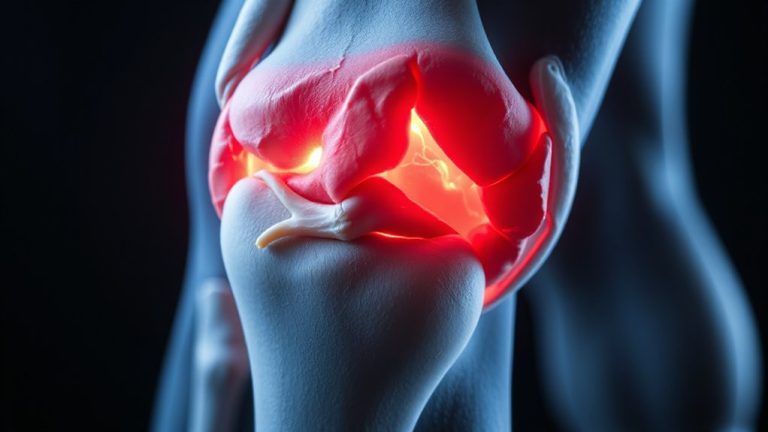
You’re not healing fully because rest alone won’t fix tendon damage or muscle imbalances. Weak external rotators and poor scapular control increase rotator cuff strain, so targeted strength work with bands or isokinetic tools is essential. Flawed throwing mechanics can spike shoulder stress by 30%, making video analysis vital. Pair nutrition, sleep, and hydration with compression and mindfulness to support recovery. Wearable gear helps track joint load and symmetry-keep optimizing, and you’ll uncover deeper strategies to protect your shoulder long-term.
Notable Insights
- Address muscle imbalances with eccentric strengthening of external rotators and scapular stabilizers to reduce rotator cuff stress.
- Optimize recovery through post-throwing nutrition, collagen supplementation, and 8–10 hours of sleep for tendon repair.
- Correct throwing mechanics using video analysis to decrease shoulder load by up to 30% and prevent re-injury.
- Implement daily movement routines emphasizing form, control, and neuromuscular coordination over volume.
- Track progress with strength assessments, mobility tests, and wearable sensors to guide long-term rehabilitation.
Stop Relying Only on Rest for Shoulder Pain
How long have you been sidelining your players with shoulder pain, hoping rest alone will fix the problem? Rest is necessary, but it’s rarely enough to resolve rotator cuff tendinopathy. Without active recovery strategies, tendons don’t rebuild effectively. You need more than inactivity-you need targeted recovery protocols. Proper nutrition support, including protein intake and collagen supplementation, aids tissue repair and strengthens tendon structure. Equally important is sleep quality, as most healing occurs during deep sleep cycles when growth hormone peaks. Pair these biological factors with monitored return-to-throw programs and wearable fitness gear that tracks joint load and movement symmetry. Devices measuring external rotation torque or scapular stability help catch setbacks early. Relying solely on rest ignores the physiological demands of tendon healing. Recovery isn’t passive. It’s a structured process combining biology, data, and timing to get athletes back stronger, not just symptom-free.
Fix Muscle Imbalances That Cause Rotator Cuff Strain
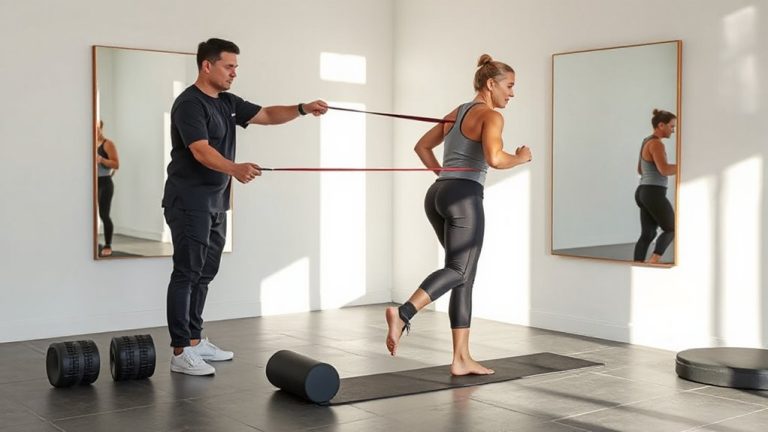
You’ve likely already reduced rest time and added recovery tools like wearables and nutritional support, but if muscle imbalances around the shoulder remain unaddressed, you’re still setting athletes up for reinjury. Dominant internal rotators and weak external rotators create uneven forces on the rotator cuff, especially under repetitive throwing stress. That’s where targeted corrective work comes in. Eccentric strengthening of the rotator cuff, particularly the infraspinatus and teres minor, improves tissue resilience and control during deceleration. Pair that with scapular stabilization exercises-think serratus anterior and lower trapezius activation-and you create a more stable, supportive base for shoulder motion. Devices like resistance bands and isokinetic trainers help standardize eccentric load, but consistency matters more than gear complexity. Without balancing these muscle groups, even the best recovery tech won’t prevent microtrauma. Fixing imbalances isn’t flashy, but it’s foundational for durable shoulder health in baseball players.
Adjust Your Throwing Form to Reduce Shoulder Load
While improving strength and recovery practices is important, nothing reduces shoulder stress in baseball players like refining the mechanics of the throw itself. Poor throw mechanics amplify strain on the rotator cuff, increasing injury risk even in well-conditioned athletes. By optimizing your arm path, trunk rotation, and timing, you distribute force more efficiently across the kinetic chain. This isn’t just about performance-correct mechanics are a cornerstone of effective load management, especially during high-volume seasons. Video analysis and biomechanical feedback help identify subtle flaws, like early trunk rotation or arm drag, that compromise efficiency. You’re not just throwing better; you’re protecting your shoulder over time. Coaches and sports scientists agree: adjusting your throw mechanics isn’t optional for long-term health. When done right, it reduces peak stress on the joint by up to 30%, making it one of the most impactful changes you can make.
Follow Science-Backed Recovery Habits for Pitchers
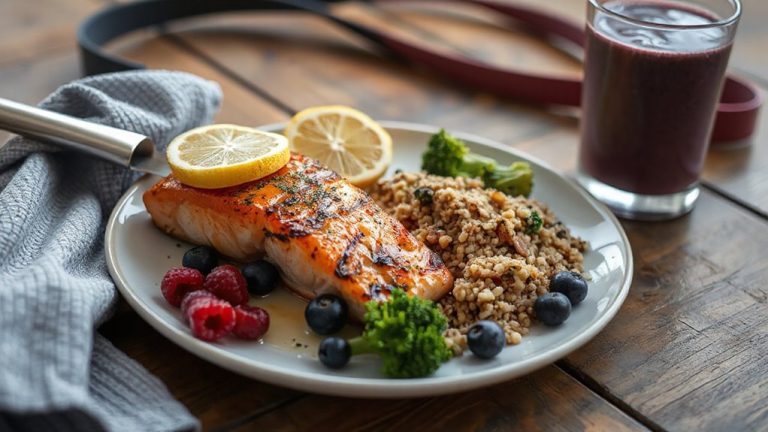
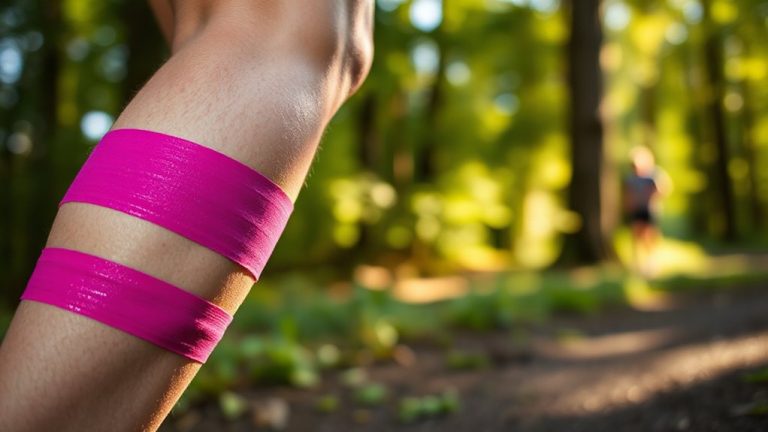
Why do some pitchers bounce back quickly after intense outings while others struggle with lingering fatigue? The difference often lies in consistent, science-backed recovery habits. You need more than rest-you need strategy. Prioritize pitcher nutrition by consuming balanced meals rich in protein, healthy fats, and complex carbs within 45 minutes post-throwing to support muscle repair. Hydration boosts tissue elasticity and metabolic waste removal. Sleep quality is equally critical; aim for 8–10 hours nightly, as most tissue regeneration occurs during deep sleep cycles. Combine this with compression gear to reduce inflammation and promote circulation, especially after high-volume outings. While recovery tools like massage guns or cryotherapy can help, they’re no substitute for proper fueling and rest. Without optimizing both pitcher nutrition and sleep quality, even the best-designed throwing programs will underdeliver. Recovery isn’t passive-it’s deliberate, measurable, and essential.
Manage Mental Fatigue to Support Shoulder Healing
How often do you overlook mental fatigue when managing shoulder recovery, especially with rotator cuff tendinopathy? Chronic injury cycles in baseball players aren’t just physical-your brain’s exhaustion amplifies pain perception and slows healing. Persistent stress impairs mental clarity, making it harder to adhere to rehab protocols or recognize subtle warning signs. You need emotional resilience to stay consistent when progress plateaus. Cognitive load from performance pressure or constant treatment tracking drains focus, reducing neuromuscular efficiency during recovery exercises. Mindfulness practices, structured rest, and sleep hygiene directly support central nervous system recovery, which in turn optimizes tissue repair. Tools like biofeedback devices or meditation apps aren’t gimmicks-they’re practical gear that enhances self-regulation. You can improve mental recovery with the best massage apps for relaxation, which support parasympathetic activation and reduce muscle tension. When your mind’s fatigued, your shoulder pays the price. Prioritizing mental recovery isn’t soft science; it’s a performance and healing necessity. You can’t rehab effectively if your brain’s running on empty. Mental clarity and emotional resilience aren’t bonuses-they’re foundational.
Integrate On-Field and Rehab Training Smoothly
You’ve addressed mental fatigue, and now it’s time to align your rehab work with on-field demands-because healing doesn’t happen in isolation. Effective rehab integration means bridging the gap between clinic exercises and live pitching or throwing. You need on field synchronization-matching movement patterns, intensity, and timing so your shoulder adapts progressively. Start with low-intensity throws while maintaining strength drills, then scale volume using feedback like soreness and mechanics. Below is a weekly integration model:
| Week | Rehab Drill | On-Field Activity | Sync Focus |
|---|---|---|---|
| 1 | Band external rotation | Wall toss (15 ft) | Timing & control |
| 2 | Scapular stabilization | 30 ft catch play | Arm speed matching |
| 3 | Weighted ball prep | 45 ft progressive throws | Load tolerance |
| 4 | Plyo toss (light) | Bullpen (50% effort) | Kinetic linking |
| 5 | Full strength circuit | Live at-bat sim | On field synchronization |
Build a Shoulder-Specific Long-Term Prevention Plan
A resilient shoulder thrives on consistency, not heroics. You need a shoulder-specific long-term prevention plan that prioritizes scapular stability and integrates the entire kinetic chain. Daily rotator cuff maintenance and post-throwing rehab routines aren’t optional-they’re foundational. Use resistance bands for external rotation and serratus anterior activation to support proper scapular positioning. Incorporate weight-bearing exercises like push-up plus variations to enhance dynamic stability. Don’t neglect lower-body power and trunk rotation; they’re part of the kinetic chain that reduces shoulder load during pitching. Tools like foam rollers and massage guns aid recovery, but their effectiveness depends on consistent use and proper technique. A high-density foam roller can improve myofascial release and enhance shoulder mobility when used as part of a daily routine. Focus on movement quality over volume, and track progress with periodic strength and mobility assessments. This approach isn’t flashy, but it’s proven. Long-term shoulder health comes from smart, sustained effort, not one-off fixes.
On a final note
You’ve likely tried rest alone, but it’s not enough for recurrent rotator cuff tendinopathy. Fixing muscle imbalances, refining throwing mechanics, and integrating rehab with on-field work deliver better outcomes. Science-backed recovery-like proper sleep, nutrition, and active recovery-supports tissue repair. Mental fatigue impacts physical healing, so monitor workload holistically. Long-term prevention with targeted strength and mobility work keeps shoulders resilient. Recovery gear helps, but only when used wisely within a structured plan.