A Comprehensive Guide to Identifying Risk Factors for Developing Tendinopathy
You’re at risk for tendinopathy if you push through repetitive training without enough recovery, since tendons adapt slower than muscles. Overuse causes microtears that outpace repair, especially as aging or genetics reduce healing efficiency. Chronic conditions like diabetes or rheumatoid arthritis further impair tendon health, while steroids and smoking weaken collagen. Recovery tools help circulation but won’t fix poor load management-your long-term tendon resilience depends on smarter training choices.
Notable Insights
- Repetitive mechanical loading without adequate recovery overwhelms tendon remodeling, leading to microdamage accumulation and structural weakening.
- Genetic factors and age-related declines in collagen turnover increase susceptibility to tendinopathy despite optimal training practices.
- Chronic conditions like diabetes, rheumatoid arthritis, and kidney disease impair tendon health through metabolic and inflammatory mechanisms.
- Medications such as oral steroids and lifestyle factors like smoking reduce tendon vascularity and collagen integrity.
- Load management is critical; recovery tools alone cannot correct poor programming or offset biological and pharmacological risks.
What Causes Tendinopathy?
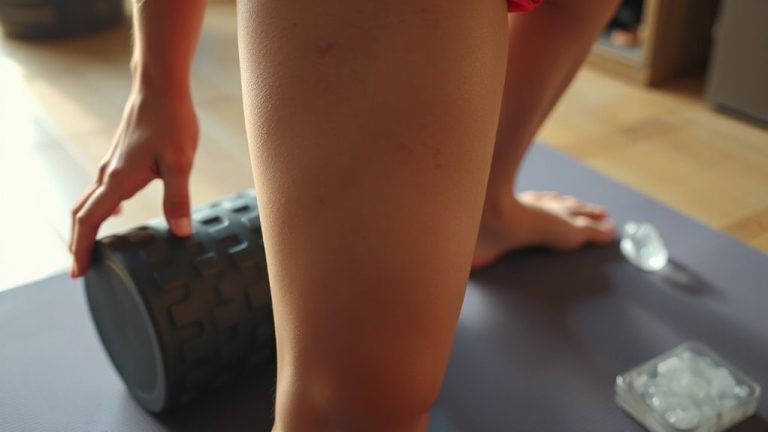
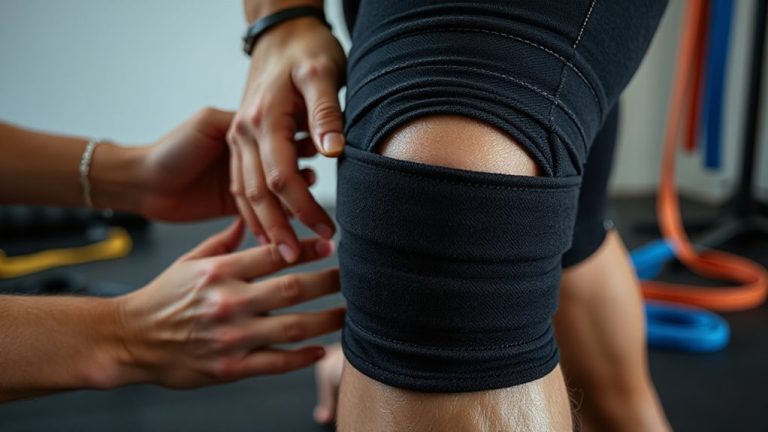
Tendinopathy isn’t just about overuse-it’s a breakdown in how your tendon adapts to load. When you repeatedly stress a tendon without adequate recovery, it can’t repair fast enough, leading to tendon fatigue. This fatigue isn’t just soreness-it’s structural weakening at the collagen level. Repetitive strain, especially from poorly timed workouts or inconsistent loading, overwhelms the tendon’s capacity to remodel. Unlike muscle, tendons respond slowly to training, requiring strategic recovery periods. Fitness recovery tools like percussion devices or compression gear may help manage symptoms, but they won’t fix flawed loading patterns. High-end recovery gear often promises rapid healing, but evidence remains limited. What really matters is adjusting your training volume and intensity. Ignoring early signs of strain or relying solely on gear ignores the root cause. Smart programming, not gadgets, prevents most cases.
How Overuse Damages Tendons
Load is the real architect of tendon damage-not all stress is bad, but when you pile on repetition without recovery, the tendon’s structure starts to fray. You might think soreness is just part of progress, but repetitive strain from constant mechanical loading disrupts collagen alignment, weakening the tendon over time. Without adequate rest, microtears accumulate faster than they repair, triggering inflammation and degeneration. That’s when tendinopathy sets in. Gym gear like supportive braces or shock-absorbing footwear may reduce strain by distributing load more evenly, but they can’t replace smart programming. Recovery isn’t optional; it’s where adaptation happens. Even with high-quality fitness equipment, skipping rest turns useful stress into harmful overload. You’re not building resilience-you’re inviting breakdown. Smart mechanical loading balances intensity with recovery windows, letting tendons strengthen instead of deteriorate. Overdoing it isn’t dedication-it’s self-sabotage. Incorporating targeted recovery tools like best recovery bands can enhance blood flow and reduce muscle tension post-exercise.
Genetic and Age-Related Risk Factors
You’ve probably pushed through discomfort thinking it’s just about how hard you train, but the truth is, your genes and age shape how your tendons respond to that effort. Your genetic predisposition can make you more susceptible to tendinopathy, regardless of training discipline. Certain collagen gene variants, for example, affect tendon structure and repair efficiency. Even with ideal technique and recovery gear, you might still face setbacks if your biology increases risk. As you age, the aging process naturally reduces tendon vascularity and collagen turnover, slowing healing and increasing stiffness. This means older athletes often need longer recovery windows and more deliberate load management. While recovery tools like foam rollers or compression garments help, they can’t fully offset these internal factors. Recognizing the role of genetics and aging helps you adjust expectations and training sustainably. It’s not weakness-it’s smart strategy.
Chronic Diseases That Weaken Tendons
While you might focus on recovery gear and training adjustments to prevent injury, underlying chronic diseases can quietly compromise tendon integrity, often without obvious symptoms until damage occurs. Conditions like diabetes mellitus impair collagen turnover and reduce tendon elasticity, making them more prone to degeneration. Rheumatoid arthritis triggers systemic inflammation that directly attacks connective tissues, including tendons, accelerating wear and weakening structural resilience. These diseases don’t just increase risk-they alter how tendons respond to load and repair, undermining even the most thoughtful fitness recovery strategies.
| Disease | Tendon Impact |
|---|---|
| Diabetes mellitus | Reduced blood flow, poor collagen repair |
| Rheumatoid arthritis | Inflammatory tendon sheath degradation |
| Chronic kidney disease | Altered mineral balance, tendon calcification |
| Hypercholesterolemia | Lipid deposits in tendon matrix |
Ignoring these conditions means recovery gear alone won’t suffice-medical management is essential.
Medications and Habits That Raise Risk
Even if you’re diligent about recovery protocols and rely on performance gear like compression sleeves or foam rollers, certain medications and daily habits can still elevate your risk of developing tendinopathy. Oral steroids, for instance, weaken collagen synthesis in tendons, making them more prone to injury-even low-dose, long-term use carries this risk. You might recover faster from inflammation short-term, but the trade-off isn’t worth it. Similarly, smoking habits reduce blood flow to tendons, impairing their ability to repair microdamage from exercise. This means delayed recovery and higher susceptibility to overuse injuries. Unlike foam rolling or compression gear-which offer measurable, short-term circulatory benefits-these habits undermine structural integrity at a cellular level. While fitness recovery tools help manage load, they can’t offset pharmacological or lifestyle-related damage. If you’re serious about tendon health, reconsider prolonged oral steroid use and prioritize quitting smoking. Your tendons won’t benefit from gear alone if foundational habits remain flawed.
On a final note
You now understand that tendinopathy arises from a mix of overuse, genetics, age, chronic conditions, and certain medications. While recovery demands patience, the right fitness gear-like supportive footwear or ergonomic equipment-can reduce strain and promote healing. These tools aren’t fixes on their own, but when paired with smart training and medical guidance, they make a meaningful difference in both prevention and long-term tendon health.