A 10-Minute Evening Flexibility Routine for Deep Tissue Release
You’ll get more from 10 minutes of targeted evening stretching than hours on the couch. Use a foam roller on tight hips and upper back to release deep tissue tension, then hit stretches with slow, controlled breathing to activate recovery. Pair movements with a resistance band or yoga blocks for better alignment and deeper release. Consistent use of proper gear-like EPP foam rollers-enhances durability and effectiveness over time, making this routine a practical, science-backed recovery habit worth adopting. There’s a smarter way to unwind-discover how to optimize it.
Notable Insights
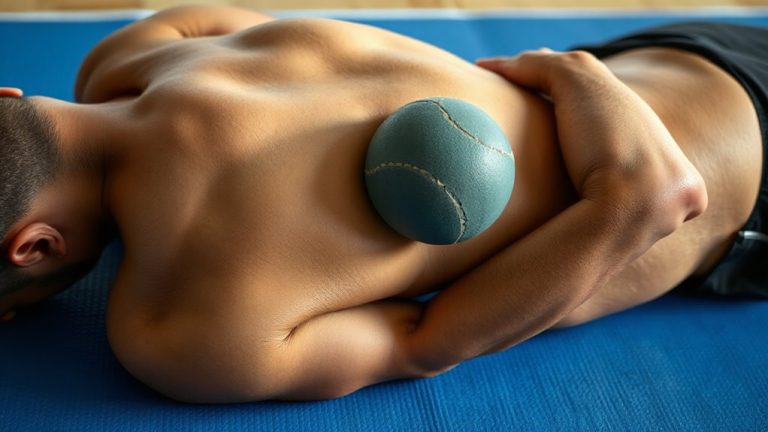
- Spend 2 minutes using a foam roller on tight hips, glutes, and upper back to release deep tissue tension.
- Target the piriformis and lats with slow, controlled rolls to improve mobility and posture.
- Incorporate diaphragmatic breathing: inhale deeply through the nose, exhale fully to enhance tissue release.
- Use a peanut ball along the spine or a resistance band for assisted stretches to increase effectiveness.
- Anchor the routine to a nightly habit like brushing teeth to build consistency and recovery benefits.
Why an Evening Stretch Routine Beats Lying on the Couch
Why spend your evening passively sprawled on the couch when you could be actively recovering? Lying down offers little beyond temporary comfort, while an evening stretch routine enhances both mental clarity and emotional balance. Targeted movements improve circulation, release muscle tension, and signal your nervous system to shift into rest mode. Unlike passive recovery, dynamic flexibility work engages your body’s natural repair mechanisms. Foam rollers and stretch straps aren’t gimmicks-they’re tools that amplify results, especially when used consistently. You’ll notice sharper focus and reduced stress within days. Passive rest rarely delivers this depth of recovery. With just ten minutes, you’re not just loosening tight hips or shoulders; you’re recalibrating your entire system. The right routine doesn’t tire you-it restores you. When recovery is intentional, your body and mind respond with greater resilience. That’s not relaxation. That’s intelligent restoration. Choosing the right best foam rollers can significantly enhance the effectiveness of your deep tissue work.
Get Ready in 2 Minutes or Less
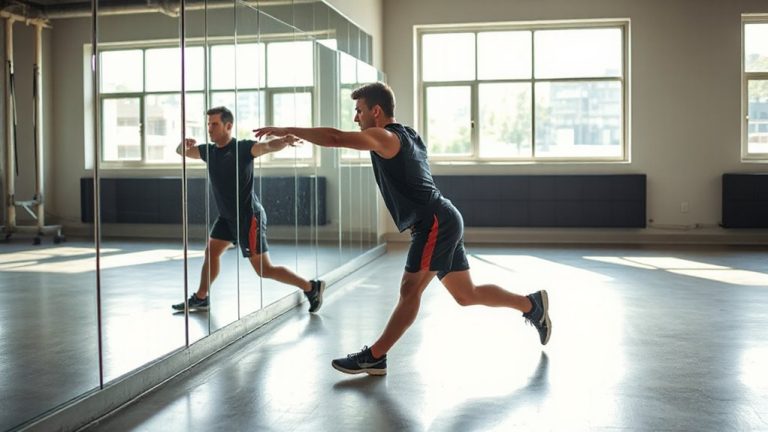
You don’t need elaborate prep to start reaping the benefits of an evening flexibility routine-just two minutes to set up and you’re ready. Begin by preparing space: clear a 4×6-foot area with enough clearance for movement, ideally on a flat, cushioned surface like a yoga mat or carpeted floor. This reduces joint pressure and improves stability during holds. Then gather props-most routines benefit from a foam roller, two yoga blocks, and a resistance band. These support proper alignment and deepen stretches without straining connective tissue. A towel works in a pinch if blocks aren’t available. Choose props with durable, non-slip materials for safety and longevity. Well-designed gear enhances recovery by promoting correct form, especially when fatigued. Consistent use of quality tools can improve tissue elasticity over time. With your space ready and props within reach, you’re set to begin-quick setup removes excuses and strengthens habit adherence. Investing in the right massage therapy equipment can further support your recovery and flexibility goals.
Release Tight Hips, Shoulders, and Back
Your evening recovery hinges on targeted release work-especially for hips, shoulders, and back, the areas most prone to daily tension buildup. Using a firm foam roller or massage ball, apply sustained pressure to glutes and piriformis to improve hip mobility. These spots often harbor tightness from prolonged sitting, restricting movement and affecting posture. For shoulders, focus on the upper back and lats with slow, controlled rolls-this supports proper shoulder alignment by releasing connective tissue adhesions. A quality roller with dense EPP foam maintains shape over time, outperforming softer versions. When used consistently, these tools enhance tissue resilience and joint function. Spend just 60 seconds per zone, noting areas of resistance without overpressuring. The back responds well to midline tracing with a peanut-shaped ball, easing paraspinal tension. This phase isn’t about intensity; it’s strategic decompression. Done right, it prepares muscles for deeper stretching later. For even more effective release, consider a vibrating foam roller, which can enhance blood flow and reduce muscle stiffness.
Breathe to Release Tension
While tension often lingers in the muscles after a long day, controlled breathing can effectively signal the nervous system to shift into recovery mode-making it a critical, often overlooked component of an evening flexibility routine. You’re not just stretching physically; you’re guiding your body toward deep relaxation through mindful breathing. Inhale slowly through the nose, expanding the diaphragm, then exhale fully, releasing tightness stored in deep tissues. This technique enhances oxygen flow, improves parasympathetic activation, and increases the effectiveness of each stretch. Unlike passive recovery tools or recovery-focused fitness gear, mindful breathing requires no equipment-just awareness and consistency. It’s low-tech but high-impact, especially when integrated into a structured cool-down. Over time, deliberate breathwork trains your nervous system to shift more smoothly into rest. You’ll notice reduced stiffness, better mobility, and a calmer mind-key markers of true recovery.
Turn Stretching Into a Nightly Habit
Consistency shapes real progress in recovery, and pairing breathwork with regular stretching sets the stage for lasting physical adaptation. You’re more likely to see the consistency benefits when you make stretching a nightly ritual-like brushing your teeth. Habit formation works best with cue-based routines, so anchor your flexibility session to an existing behavior, like after washing your face or right before bed. Use a dedicated mat with moderate cushioning to support joint comfort during longer holds; performance isn’t just about gear, but how well it supports routine adherence. Track progress weekly: improved ease in movements or reduced stiffness signals adaptation. Missing a night? Don’t restart-just resume. Long-term gains rely on repeated exposure, not perfection. Turn this 10-minute routine into automatic self-care, and you’ll notice deeper recovery, better sleep, and increased body awareness over time.
On a final note
You’ve just completed a powerful recovery ritual that outperforms passive downtime. This 10-minute routine boosts circulation, enhances tissue elasticity, and supports joint mobility-key for long-term fitness recovery. Paired with quality gear like supportive mats and adjustable straps, it becomes even more effective. Consistency turns this practice into a proven tool for reducing stiffness, improving sleep quality, and maintaining movement efficiency. This isn’t luxury-it’s smart, sustainable self-care.