Daily Joint Mobility Practice for Aging Adults to Maintain Functional Movement
You can maintain functional movement with a simple daily joint mobility routine that includes shoulder rolls, ankle circles, and neck tilts-each done slowly to support circulation and joint health. These no-equipment exercises preserve range of motion, reduce stiffness, and boost stability, especially when paired with steady breathing. Adaptations like smaller movements or added support make it sustainable, even with sore joints. Consistency matters more than intensity, and doing it alongside habits like morning hygiene helps it stick. There’s more to discover about fine-tuning your approach for long-term ease and independence.
Notable Insights
- Perform daily joint mobility exercises like shoulder rolls, ankle circles, and neck tilts to maintain functional range of motion.
- Modify movements with slow, controlled motions and use of support to accommodate stiff or sore joints.
- Focus on consistent, low-impact routines that enhance independence in daily activities without equipment.
- Integrate diaphragmatic breathing to improve oxygen flow, reduce stiffness, and support smooth joint movement.
- Anchor mobility practice to existing habits to build sustainability and see reduced stiffness within weeks.
5 Joint Mobility Moves to Start Your Day
Why not begin your morning with a few intentional movements to awaken stiff joints? Morning stiffness is common as you age, but consistent joint warm ups can reduce discomfort and improve mobility. Start seated: roll your shoulders forward and back ten times, then gently circle your ankles. Progress to neck tilts and wrist rotations-small motions, but effective. These joint mobility moves prime lubrication, boost circulation, and signal muscles to prepare for activity. Unlike aggressive stretching, they’re low-impact and safe when done slowly. You don’t need fitness recovery tools or specialized gear-just your body and a clear floor space. Done daily, they support functional movement, enhance coordination, and may delay degenerative joint decline. Experts recommend performing them before standing to ease into upright posture. While not a substitute for strength work, they’re a practical first step. Build this habit, and you’ll likely notice improved ease in daily tasks.
How to Adapt These Moves for Stiff or Sore Joints
If your joints feel particularly stiff or sore, you can modify these mobility moves to reduce strain while still promoting circulation and synovial fluid production. Use gentle pacing to avoid overloading tender areas, and focus on support positioning to maintain alignment and reduce risk. These adjustments help preserve range of motion without triggering discomfort. Below are key adaptations:
| Move | Gentle Pacing Tip | Support Positioning Aid |
|---|---|---|
| Neck Rolls | Slow, 10-second circles | Chair with headrest |
| Shoulder Circles | Small arcs, pause if needed | Hands on knees for balance |
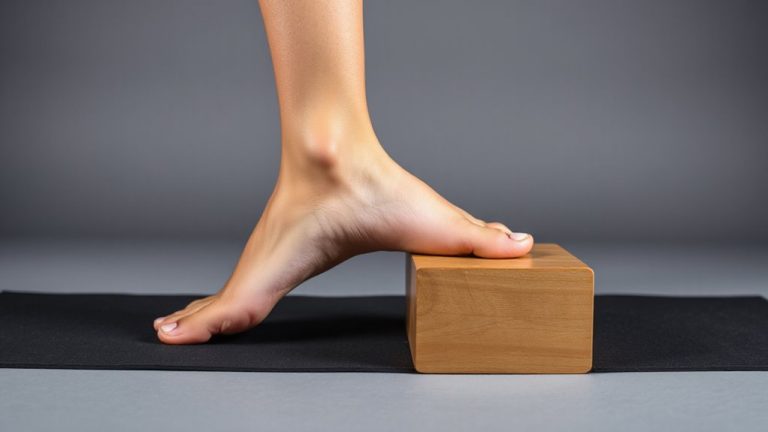
| Ankle Alphabet | Trace letters slowly | Foot elevated on a cushion |
| Knee Lifts | Reduce height and speed | Hold countertop for stability |
These modifications sustain benefits while accommodating sensitivity-ideal for recovery days or flare-ups.
Why Joint Mobility Keeps You Independent After 50
How often do you consider the quiet importance of moving freely-reaching for a high shelf, stepping up without a handrail, or simply turning your head while reversing the car? After 50, these actions aren’t guaranteed. Poor joint health limits your range of motion, making everyday tasks harder and increasing reliance on others. Daily joint mobility work combats stiffness, enhances lubrication, and maintains alignment, directly supporting independence. It’s not just about comfort-it’s a strategy for injury prevention. Stiff joints lead to awkward movements, raising the risk of falls or strains. Mobility exercises strengthen the support around joints, improving stability and control. Unlike intense fitness gear or recovery tools, this practice requires no equipment, just consistency. You preserve function before it’s lost. When movement stays fluid, so does your self-reliance. Joint mobility isn’t luxury-it’s necessity, a practical investment in moving well, safely, and freely on your own terms for years to come.
How Breathing Helps You Move Better
You’ve seen how daily joint mobility preserves independence, allowing you to navigate stairs, twist to check blind spots, or lift groceries without strain. Now consider how your breath shapes that movement. Proper breathing isn’t just rhythm-it’s functional support. Diaphragmatic engagement activates your core stabilizers, syncing muscle control with motion. When you breathe deeply, you boost oxygen flow to working tissues, reducing fatigue and improving joint lubrication during mobility drills. Shallow chest breathing limits endurance and increases tension, undermining your form. But with full diaphragmatic breaths, you enhance nervous system regulation, allowing smoother, more coordinated movement patterns. This isn’t just theory-studies show improved range of motion when breath is intentionally paired with stretch and activation. You’re not just moving joints; you’re fueling them. Better oxygen flow means quicker recovery between sets and reduced stiffness post-session. In short, your breath isn’t background noise-it’s a key driver of mobility performance.
Stick With It: Make Mobility a Daily Habit
A consistent mobility practice doesn’t require expensive gear or a lengthy time commitment, but it does demand regularity. You’ll notice the consistency benefits within weeks-improved joint range, reduced stiffness, and better movement control. Simple tools like foam rollers or resistance bands can help, but they’re not essential; your body and a little space are enough. The real key is routine formation. Anchor your mobility work to an existing habit-like after brushing your teeth or before bed-to boost adherence. Over time, this daily discipline supports functional movement and injury prevention. High-end fitness gear may promise faster results, but without consistency, its value diminishes. Focus instead on repeatable, low-barrier sessions that fit your lifestyle. Prioritize steady progress over spectacle. Effective mobility isn’t about gear specs or intensity-it’s about showing up daily and moving with purpose.
On a final note
You’ve seen how daily joint mobility boosts stiffness relief, movement efficiency, and long-term independence. These exercises, when paired with proper breathing and consistency, enhance functional performance far better than passive recovery tools. While fitness gear like foam rollers or resistance bands can support progress, they don’t replace disciplined mobility practice. Your body responds best to regular, mindful motion-simple, no-cost moves deliver lasting value where it counts: in everyday strength, balance, and joint resilience after 50.