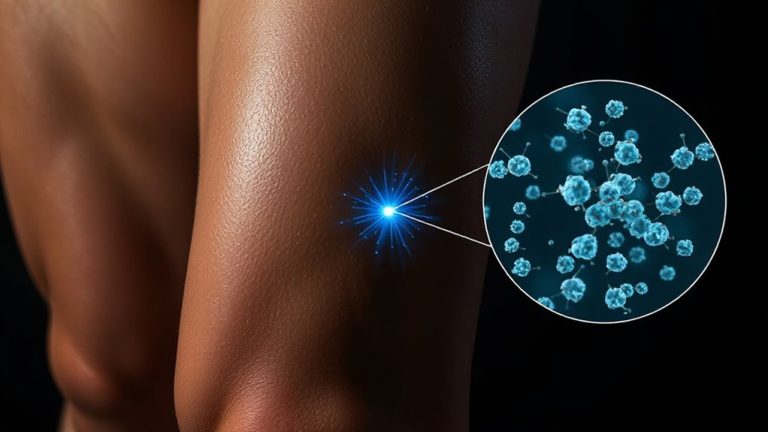
Using Acupuncture to Modulate Pain and Improve Range of Motion in Stiff Joints
You can use acupuncture to ease joint stiffness by targeting pain signals and improving range of motion at the source. Fine needles modulate nerve activity and boost endorphins, reducing discomfort while calming inflammation. Key points like GB34 and BL40 help restore mobility by releasing tension and improving biomechanics. When paired with physical therapy, results often improve faster. You’ll see how this works in practice and what studies reveal about its effectiveness.
Notable Insights
- Acupuncture modulates pain by influencing the nervous system and increasing endorphin release.
- It reduces inflammation by regulating cytokines and lowering inflammatory markers over time.
- Stimulation of points like GB34 and BL40 helps improve joint mobility and flexibility.
- Regular sessions support long-term pain control and physiological recalibration of stiff joints.
- Combining acupuncture with physical therapy enhances range of motion and rehabilitation outcomes.
How Acupuncture Relieves Joint Stiffness Pain
Why does acupuncture ease stiff joints when other treatments fall short? You’ve likely tried medications or physical therapy, but acupuncture targets root imbalances others overlook. By inserting fine needles at specific points, it helps restore energy balance, a core principle in traditional Chinese medicine. This isn’t just about physical relief-emotional wellness plays a key role, as stress and stagnation often worsen joint stiffness. Acupuncture encourages the body’s natural flow of qi, reducing inflammation and improving circulation to stiff areas. Patients report better mobility and decreased discomfort after consistent sessions. Unlike fitness recovery tools like foam rollers or compression gear, which address symptoms mechanically, acupuncture works systemically. It’s not a quick fix, but an investment in long-term function. When combined with mindful movement and proper maintenance, it offers a holistic edge in managing joint stiffness effectively.
How Acupuncture Changes Pain Signals in Your Body
How does acupuncture actually turn down the volume on chronic joint pain? It works by influencing your nervous system through targeted needle placement. You’re not blocking pain-you’re redirecting it. Acupuncture triggers neurotransmitter regulation, boosting endorphins and serotonin, which help dampen discomfort naturally. At the same time, it enables nerve pathway modulation, altering how pain signals travel from your joints to your brain. This dual action reduces the intensity of pain you perceive without medications. Studies suggest these changes aren’t just temporary; with consistent sessions, your body may relearn less reactive pain responses. While it’s not a standalone cure, it’s a valuable tool-especially when combined with proper recovery practices and supportive gear. For those managing stiffness, acupuncture offers a science-backed method to regain control, improve daily function, and support long-term joint health through physiological recalibration.
Reducing Joint Inflammation With Acupuncture
While inflammation often fuels the stiffness and discomfort in arthritic or overused joints, acupuncture has shown measurable potential in dialing it down through physiological modulation. You’re likely dealing with joint swelling or chronic inflammation, both of which acupuncture helps mitigate by influencing cytokine levels and promoting anti-inflammatory responses. Studies suggest regular sessions reduce inflammatory markers, leading to decreased swelling and improved joint function over time. It’s not a quick fix, but consistent treatment can create meaningful shifts, especially when paired with proper movement and recovery practices. Unlike pharmaceuticals, acupuncture works with your body’s systems rather than suppressing symptoms outright. The needles trigger localized microstimuli that appear to recalibrate immune activity around affected areas, making it a valuable tool. While not a standalone cure, its role in managing chronic inflammation is both clinically observed and biologically plausible, offering a complementary edge in long-term joint health.
Acupuncture Points That Boost Joint Mobility
Acupuncture doesn’t just quiet inflammation-it also targets the physical restrictions that limit how well your joints move. When practitioners stimulate specific points along the body’s meridians, they help restore Qi flow, which can become sluggish in stiff or injured areas. Points like GB34 (on the gallbladder meridian) and BL40, often used for knee mobility, help release muscular tension and improve joint articulation. These acupoints encourage meridian balance, supporting smoother movement and greater flexibility over time. You’ll likely notice improved range of motion after several sessions, especially when combined with movement therapy. The effect isn’t instantaneous, but consistent treatment helps retrain the body’s biomechanics. While not a replacement for physical therapy, acupuncture complements it by addressing energetic blockages that may hinder recovery. You’re not just treating pain-you’re fostering a more resilient, responsive musculoskeletal system through precise, science-informed stimulation.
What to Expect During an Acupuncture Session for Joint Stiffness
What does your first acupuncture session for stiff joints actually involve? You’ll start by discussing your symptoms and medical history, helping the practitioner tailor the treatment. Your first impression might be surprise at how minimal the discomfort is-most people feel just a slight pinch. Thin, sterile needles are inserted into specific points around the stiff joint and related meridians. You’ll then rest for the session duration, typically 20 to 40 minutes, while the needles stimulate energy flow and nervous system response. Many report feeling a dull ache or warmth, signs of qi activation. The environment is calm, often aiding relaxation. Though results vary, consistent sessions usually lead to reduced stiffness and improved mobility. It’s a low-risk intervention when performed by a licensed professional. You’ll likely leave with a sense of relief-and curiosity about long-term benefits.
Can You Combine Acupuncture With Physical Therapy?
How do you maximize recovery when joint stiffness lingers despite regular treatment? You might find strong combination benefits by pairing acupuncture with physical therapy. This approach creates treatment synergy, where each method enhances the other’s effectiveness. Acupuncture helps quiet nerve signaling and reduce inflammation, making your tissues more responsive to movement. That means when you start physical therapy, your joints move more freely and with less discomfort. You’re not just managing symptoms-you’re priming your body for better rehab outcomes. Therapists often notice improved compliance and range of motion when acupuncture is included. The dual strategy addresses both pain modulation and functional restoration. Though scheduling and consistency matter, the integration is generally safe and well tolerated. For persistent stiffness, this combined route often delivers more thorough, lasting results than either treatment alone.
What the Research Says About Acupuncture and Joint Mobility
Evidence from clinical studies paints a promising picture when it comes to tackling joint stiffness with acupuncture. You’re likely to see measurable improvements in range of motion after consistent sessions, especially when treatment targets specific trigger points around immobile joints. Research suggests acupuncture promotes neural regeneration, helping reestablish communication between nerves and muscles, which supports smoother joint function. It also appears to enhance biomechanical alignment by reducing muscular imbalances and relieving tension that pulls joints out of position. You’re not just managing pain-you’re influencing the underlying mechanics of movement. While results vary, many patients report increased joint mobility within four to six weeks. It’s not a standalone fix, but combined with targeted exercise, it amplifies recovery. The evidence isn’t definitive across all joint types, yet the trend is clear: for many, acupuncture helps restore movement where stiffness once limited daily life.
On a final note
You’ll find acupuncture can effectively ease joint stiffness and enhance mobility by altering pain signals and reducing inflammation. When combined with physical therapy, it supports faster recovery and better outcomes. Though results vary, research suggests meaningful improvements for many. It’s a low-risk option worth considering as part of your fitness recovery toolkit-especially if standard remedies haven’t worked. With consistent sessions, you might regain movement and return to your routine with less discomfort.