How Wearable Muscle Regeneration Biomarkers Correlate With Satellite Cell Activity
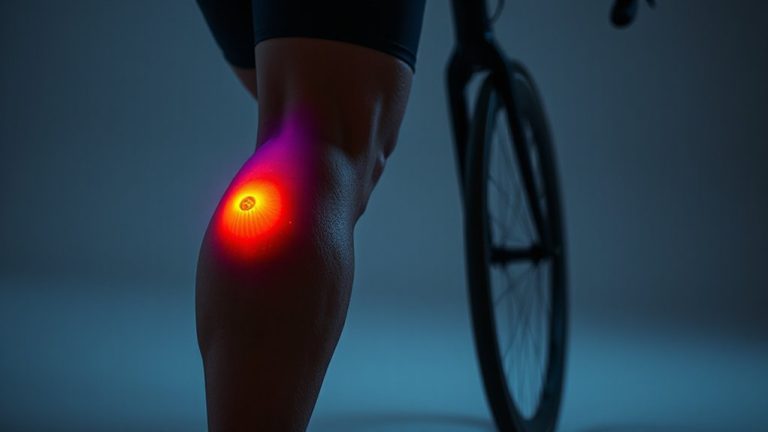
Your wearable tracks muscle regeneration biomarkers like oxygenation, temperature, and pH shifts, which closely mirror satellite cell activity after exercise. When those cells activate to repair muscle, metabolic and biophysical changes occur-your device picks them up in real time. Rising temperature and lactate levels often align with proliferation, while normalized signals suggest efficient recovery. Though not direct cellular imaging, these metrics offer actionable insights. See how the latest sensors link cellular repair to recovery choices.
Notable Insights
- Wearable-measured metabolic and biophysical signals correlate with satellite cell activation timing during muscle repair.
- Changes in electrical impedance reflect membrane and fluid shifts linked to satellite cell proliferation.
- Persistent biomarker elevation aligns with satellite cell differentiation and fusion stages in regeneration.
- Real-time temperature and pH shifts detected by wearables mirror inflammatory and metabolic phases of satellite cell activity.
- Delayed normalization of wearable biomarkers indicates impaired satellite cell response and slower muscle recovery.
What Are Muscle Regeneration Biomarkers?
Muscle regeneration biomarkers are measurable indicators that signal the repair and growth of muscle tissue following exercise-induced damage. You’ll find these biomarkers useful for tracking recovery, especially when using advanced fitness gear that monitors physiological changes. They include specific proteins and enzymes released during muscle repair, with gene expression patterns revealing how your body activates recovery pathways. Increased protein synthesis is a key sign your muscles are rebuilding stronger after strain. Wearables that detect these markers help you optimize training by showing when your body is recovering effectively. While not all devices capture gene expression directly, some infer it through metabolic signals tied to cellular activity. These tools offer practical insights, though their accuracy varies. Relying on them can improve recovery strategies, but they shouldn’t replace how you feel or professional advice. Used wisely, they enhance fitness recovery with data-driven precision.
How Satellite Cells Enable Muscle Regeneration
While you’re recovering from intense training, satellite cells play a crucial role in rebuilding your muscle tissue by activating when damage occurs. These cells proliferate and undergo cellular differentiation, fusing with existing fibers to repair and promote muscle hypertrophy. Your body relies on this process not just for recovery, but for long-term strength gains. Satellite cell activity is a key indicator of effective adaptation to resistance training.
| Stage | Function |
|---|---|
| Quiescence | Resting state, ready for activation |
| Activation | Responds to muscle damage signals |
| Proliferation | Rapid cell division near injury site |
| Differentiation | Cells commit to myogenic lineage |
| Fusion | Integrates nuclei into muscle fibers |
Without sufficient satellite cell engagement, your recovery slows and limits growth. Fitness recovery strategies that support this cellular process enhance performance over time. Wearable fitness gear may guide training loads, but understanding the biology behind regeneration guarantees smarter, more effective choices.
How Wearable Biomarkers Detect Satellite Cell Activity
You can now track how your muscles adapt on a cellular level, thanks to advances in wearable biomarker technology. These devices detect early indicators of satellite cell activation by measuring subtle changes in electrical impedance across muscle tissue, which shifts as cells proliferate and repair damage. When your muscles undergo strain, satellite cells respond, and wearables capture this through impedance trends linked to membrane integrity and fluid balance. Simultaneously, sensors monitor oxidative stress by identifying byproducts like reactive oxygen species in interstitial fluid, offering insight into cellular metabolism during recovery. While not direct imaging tools, these wearables provide real-time proxies for satellite cell activity, blending biophysical and biochemical signals. Their accuracy is promising, though still refined for individual variability. For fitness enthusiasts, this means smarter training adjustments-knowing not just when you’re fatigued, but how your muscle regeneration is progressing beneath the surface.
Tracking Muscle Recovery: Lactate, pH, and Temperature Sensors
As your muscles work, they produce metabolic byproducts that signal fatigue and the need for recovery, and modern wearables now capture these changes with surprising precision. Lactate sensors detect buildup during intense exercise, giving you real-time feedback on metabolic stress levels-when lactate spikes, you’re nearing your threshold. pH monitors track acidity shifts in interstitial fluid, which rise alongside muscle fatigue, offering insight into when your performance may decline. Temperature sensors, often embedded in fabric, reveal localized heat increases from sustained effort, correlating with inflammation and workload. Together, these metrics help pinpoint recovery needs before overtraining occurs. While not all consumer wearables deliver lab-grade accuracy, those with calibrated electrochemical sensors offer actionable data. You’ll benefit most when combining this feedback with rest strategies. These tools don’t replace professional assessment, but they do enhance self-awareness, making recovery more strategic and less guesswork-driven.
How Wearable Data Reflects Muscle Repair
Though muscle repair happens out of sight, wearable sensors can capture the subtle physiological shifts that signal recovery in progress. You’re likely familiar with muscle fatigue, but now wearables detect the metabolic and thermal patterns linked to actual tissue healing. Devices tracking pH and temperature shifts provide clues about inflammation and satellite cell activation, helping clarify recovery timing. Instead of guessing when you’re ready to train hard again, data from lactate trends and localized heat changes offer objective indicators. These biomarkers don’t just reflect tiredness-they align with cellular repair phases. While not perfect, consistent readings improve your ability to adjust rest periods and prevent overtraining. Reliable wearables combine this information to give a clearer picture of internal recovery, making them more than fitness trackers-they’re recovery tools. When calibrated well, they turn invisible biological processes into actionable insights.
Tailoring Recovery With Real-Time Biomarker Feedback
Why should recovery remain a guessing game when real-time biomarker feedback can guide it? You’re no longer stuck adjusting rest days based on soreness alone-wearables now reveal precise muscle regeneration patterns. By syncing biomarker trends with lifestyle choices, you can fine-tune muscle nutrition and recovery timing for maximum adaptation. Sleep optimization becomes more than habit; it’s a data-driven decision enhancing satellite cell activity. Consider this:
| Biomarker Level | Action Step | Recovery Impact |
|---|---|---|
| High inflammation | Increase protein intake | Accelerates repair |
| Low ATP recovery | Extend sleep by 1 hour | Boosts cellular energy |
| Elevated cortisol | Reduce training load | Prevents overtraining |
| Delayed myoglobin clearance | Hydrate + adjust carbs | Improves circulation |
These insights turn passive rest into active recovery, making fitness gear a true partner in performance.
Next-Gen Wearables for Real-Time Muscle Recovery Insights
You’re already using biomarker feedback to shape recovery, but next-gen wearables take it further by delivering real-time muscle recovery insights with clinical-grade precision. These devices track subtle shifts in muscle hydration and nerve signaling, offering a deeper view of regeneration as it happens. Unlike basic trackers, they use multi-sensor arrays to detect electrolyte balance and neuromuscular response, flagging dehydration or fatigue before performance drops. You’ll notice improvements in timing and training decisions-knowing exactly when muscles are primed or overstressed reduces injury risk. Studies show wearables capturing nerve signaling patterns can predict recovery lags within hours, not days. Muscle hydration levels, once estimated through urine tests, are now measured transdermally with near-lab accuracy. While not replacements for medical diagnostics, these tools enhance self-monitoring for serious athletes and rehab patients alike. They’re intuitive, require minimal calibration, and sync seamlessly with recovery platforms, making them practical for daily use. Some models even incorporate percussive therapy insights from top-rated devices like the best massage guns to optimize recovery protocols.
On a final note
You’re seeing how wearable biomarkers now link directly to satellite cell activity, offering real insight into muscle recovery. Devices tracking lactate, pH, and temperature give you timely, accurate feedback on repair processes. While not perfect, their precision improves recovery strategies markedly. These wearables bridge biology and tech, letting you adjust training smartly. As sensors evolve, so does your ability to optimize regeneration-making next-gen fitness gear not just useful, but essential for serious recovery monitoring.